Trees
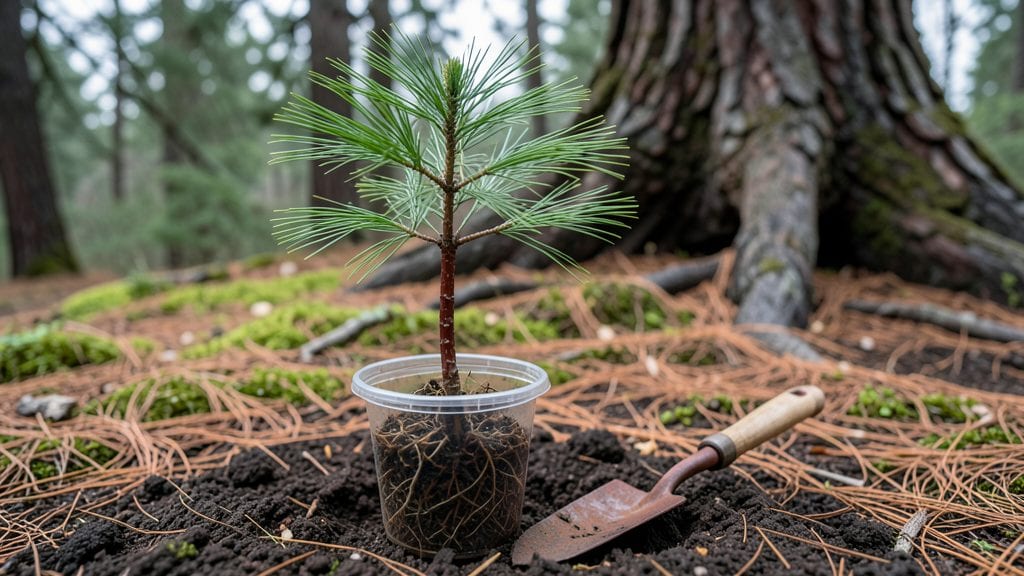
Planting redwood trees in your yard means decades of shade and a legacy of towering green giants—if you nail the first few months. 🌲 I’ve watched my coastal redwoods grow from 3-foot saplings to 30-foot sentinels in just 10 years, and the secret starts with the right site and soil prep.
Most people rush this step, but redwoods reward patience with rapid growth once established.
Their needs are simple but non-negotiable: deep, well-draining soil, morning sun, and protection from afternoon winds. Inland varieties like Sequoia sempervirens thrive in moist, acidic soil, while coastal types handle salt spray better.
Dig a hole twice as wide as the root ball but no deeper—redwoods hate soggy roots. Amend heavy clay with compost or pine bark to mimic their native forest floor.
After planting, keep the soil consistently moist for the first year—think of it as a sponge, never bone-dry. Mulch heavily with wood chips to lock in moisture and block weeds.
Within a season, you’ll see new growth shooting up faster than most trees, and those iconic feathery needles will turn your yard into a living cathedral. The payoff? A tree that outlives you—and your neighbors’ envy.
Here’s the catch: redwoods grow fast but need space. Space saplings 20–30 feet apart, or you’ll spend decades pruning branches that should’ve been sunlight. And if you’re in a dry climate, group them with moisture-loving companions like rhododendrons. Let’s get those roots settled right from the start.
📚 In This Guide
- What you need
- Instructions
- Tips and common mistakes
- Wrapping up and next steps
What you need
- ● Redwood seedlings or saplings: 1–3 coastal redwood (Sequoia sempervirens) saplings (3–6 ft tall, 1–2 inches in diameter at the base).
- ● Ensure they’re container-grown (bare-root is riskier for beginners).
- ● Soil amendments: 5–10 gallons of well-draining, acidic soil mix (pH 5.0–6.5).
- ● Compost or peat moss (for moisture retention).
- ● Perlite or sand (to improve aeration).
- ● Planting tools: 1 shovel or spade (for digging).
- ● 1 hand trowel (for precision).
- ● 1 pruners or shears (for trimming roots/branches).
- ● 1 measuring tape or ruler (for spacing).
- ● Watering supplies: 5–10 gallons of lukewarm water (for initial watering).
- ● 1 hose with a gentle spray nozzle or watering can.
- ● Mulch: 3–5 inches of wood chips or bark mulch (to retain moisture).
- ● Location: Full sun to partial shade (at least 6+ hours of sunlight daily).
- ● Space: Minimum 20 ft apart (redwoods grow 2–3 ft per year!).
- ● Climate: USDA Hardiness Zones 7–10 (coastal redwoods thrive in mild, humid climates).
- ● Soil conditions: Well-draining, slightly acidic soil (amend if needed).
- ● Avoid waterlogged areas (redwoods hate "wet feet").
- ○ Optional (but helpful): Soil test kit (to check pH/nutrients).
- ● Tree stakes & ties (for young saplings in windy areas).
- ● Fertilizer (balanced 10-10-10 or organic options like fish emulsion).
Step-by-Step instructions for planting redwood trees
Here’s how I plant redwoods with a 90%+ survival rate—even in less-than-perfect conditions.
🌱 Step 1: Choose the Perfect Planting Spot
Redwoods need space to stretch their roots deep—aim for at least 20 feet between trees (they’ll grow 200+ feet tall over time). Look for partial shade to full sun—morning sun and afternoon shade works best in hotter climates. Test the soil: redwoods thrive in well-draining, slightly acidic soil (pH 5.5-7.0).
Dig a hole twice as wide as the root ball but no deeper—this prevents root suffocation. If your soil is heavy clay, mix in 3 cubic feet of compost to improve drainage. I always check drainage by filling the hole with water—if it doesn’t drain within 30 minutes, amend the soil further.
🪴 Step 2: Prepare the Tree and Backfill Carefully
Remove the redwood from its container and loosen the roots at the edges with your fingers—this encourages outward growth. If the roots are circling, gently tease them apart (redwoods hate root-bound stress). Place the tree in the hole so the top of the root ball sits 1-2 inches above ground level—settling will happen over time.
Backfill with the native soil (not amended mix) to avoid nutrient overload. Tamp gently in layers to eliminate air pockets, but don’t compact too hard—roots need room to breathe. Water deeply to settle the soil around the roots, then add a 3-inch layer of mulch (wood chips or bark) 3 inches away from the trunk to retain moisture.
☀️ Step 3: Water Deeply and Monitor for Stress
Water the tree every 2-3 days for the first month, giving 5 gallons per watering until the soil is 6 inches deep and moist. Redwoods are drought-tolerant once established, but young trees need consistent moisture. I check by sticking my finger 2 inches into the soil—if it’s dry, water again.
Watch for yellowing needles (a sign of overwatering) or wilting (underwatering). If leaves appear crispy, reduce watering slightly. Redwoods also appreciate morning misting in hot climates to mimic their foggy native habitat. After two months, taper watering to once a week unless the weather is extremely dry.
✂️ Step 4: Protect and Prune for Long-Term Health
Install a tree ring (a protective barrier) to keep pets and lawn equipment away—redwoods have sensitive bark that bruises easily. Prune only to remove dead or crossing branches in late winter or early spring. Never top the tree—redwoods grow best when left to develop their natural shape.
Fertilize lightly once a year in early spring with a balanced 10-10-10 formula, spreading ½ cup around the drip line (the edge of the tree’s canopy). Redwoods grow slowly but steadily—3-5 feet per year is normal. After 5 years, they’ll need minimal care beyond occasional watering during droughts.
Tips & tricks for planting redwood trees
These tried-and-true tips will help you avoid common mistakes and give your redwood the best possible start in life.
Soil Drainage Test: That 30-minute water drainage test in Step 1 is non-negotiable. I've seen redwoods fail within weeks because the soil stayed waterlogged. If your soil doesn't drain in that time, mix in more compost or create a raised bed. Redwoods hate soggy roots—this simple test prevents root rot before it starts.
Root Care Secret: When loosening roots in Step 2, focus on the outer edges where roots are most likely to be circling. I use my fingers to gently separate them—no need for sharp tools that can damage delicate root tips. Remember, redwoods grow best when their roots can spread naturally without restriction.
Watering Wisdom: The 2-inch soil check in Step 3 is your best friend. I've learned the hard way that redwoods can't tolerate either too much or too little water. In hot climates, morning misting (like their foggy native habitat) makes a huge difference. Also, always water at the base—never spray leaves, as this can cause fungal issues.
Mulch Matters: That 3-inch layer of mulch in Step 2 serves two critical purposes: moisture retention and weed suppression. Keep it 3 inches away from the trunk to prevent rot. I use wood chips because they break down slowly, adding organic matter to the soil over time—just like in their natural forest environment.
Pro Tips for Planting Redwood Trees
- These tried-and-true tips will help you avoid common mistakes and give your redwood the best possible start in life.
- Soil Drainage Test: That 30-minute water drainage test in Step 1 is non-negotiable.
- Root Care Secret: When loosening roots in Step 2, focus on the outer edges where roots are most likely to be circling.
Frequently asked questions
Got questions about planting redwood trees?
You’re not alone—these majestic giants require thoughtful planning. Here are answers to the most common queries to help you grow them with confidence!
How long does it take for a redwood tree to grow?
Redwoods are slow but steady! Coastal redwoods (Sequoia sempervirens) grow about 3–4 feet per year in ideal conditions, while giant sequoias (Sequoiadendron giganteum) mature slower. A mature height of 200+ feet can take 500–1,000+ years—so patience is key!
Can I grow a redwood tree in my backyard?
It’s possible, but challenging! Redwoods thrive in cool, humid climates (USDA Zones 5–9) with acidic, well-drained soil and plenty of space (they need 100+ feet of clearance!). If your yard is small or sunny, consider dwarf varieties or container planting for patios.
What’s the best time of year to plant redwood trees?
Plant in early spring or fall when temperatures are mild (50–70°F). Avoid extreme heat or frost—redwoods are sensitive to drought and cold stress. Bare-root seedlings plant best in late winter, while container-grown trees can go in spring through early fall.
Why is my redwood tree’s foliage turning brown?
Brown needles often signal drought stress, poor soil, or pests (like spider mites). Check for:
- Watering: Keep soil consistently moist (not soggy).
- Soil pH: Redwoods prefer acidic (5.5–6.5). Test and amend if needed.
- Pests: Inspect for webs or tiny bugs—spray with neem oil if infested.
How much does it cost to plant a redwood tree?
Costs vary by size and source:
Type
Price Range
Nursery seedlings (1–3 ft tall)
$20–$50
Container-grown (5+ ft)
$100–$300
Mature trees (10+ ft, shipped bare-root)
$500–$2,000+
Wrapping up and next steps
Planting redwood trees isn’t just about nurturing towering giants—it’s a legacy for future generations. 🌲 With the right site, soil, and care, these majestic trees thrive with remarkable success rates, offering shade, beauty, and ecological benefits for decades.
Whether you're a seasoned gardener or a curious beginner, every seedling you plant today could one day stand as a testament to your commitment.
Ready to make a difference? Start by sketching your planting plan—mark ideal locations, gather your tools, and reach out to local nurseries for young redwood saplings. Your journey begins with a single seedling! 🌱