Shrubs
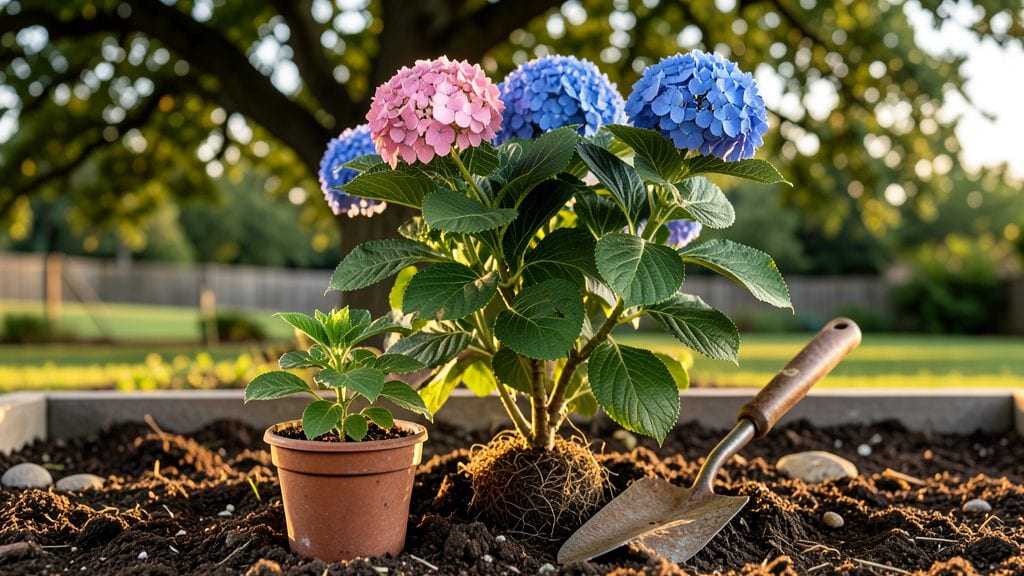
Planting shrubs in summer can work—when you follow the right steps. ✨ I’ve planted dozens of shrubs in July and August, and the ones that thrive follow three non-negotiable rules: timing, soil prep, and water discipline.
Most gardeners swear summer planting is a gamble, but with the right approach, your shrubs can establish just as well as spring-planted ones.
The secret starts with choosing the right varieties—drought-tolerant shrubs like abelia, butterfly bush, or potentilla handle heat better than thirsty hydrangeas or lilacs. Dig a hole twice as wide as the root ball but no deeper, then mix in compost to give roots a nutrient boost right away.
This extra space helps roots spread without competing for water in the tight planting hole.
Watering is where most people fail. After planting, soak the soil deeply every 2-3 days for the first 4 weeks, even if it means watering twice a day in 90°F heat.
A 3-inch layer of mulch keeps moisture in and roots cool. I’ve seen shrubs planted in August outperform spring ones because consistent moisture prevents transplant shock—just don’t let the soil stay soggy.
Regional tweaks matter: In Zone 9+, plant in early summer before the worst heat hits; in cooler Zones 5-7, late summer works fine. Container shrubs need extra attention—water daily until roots establish.
The payoff? Stronger root systems that translate to bigger blooms and less maintenance next season. Let’s get those shrubs in the ground the right way.
📚 In This Guide
- What you need
- Instructions
- Tips and common mistakes
- Wrapping up and next steps
What you need
- ● Shrubs: Choose 3–5 healthy, container-grown shrubs (size depends on maturity—smaller for newbies, larger for experienced gardeners). Opt for varieties suited to your climate (e.g., Hydrangeas, Boxwoods, or Lavender).
- ● Shovel or Trenching Shovel: A 12–18-inch digging spade for planting holes (borrow or rent if needed).
- ● Garden Gloves: A pair of durable, breathable gloves (e.g., nitrile-coated or leather) to protect hands from thorns or rough soil.
- ● Pruning Shears: Bypass pruners (for clean cuts) to trim dead foliage or roots before planting.
- ● Mulch: 2–3 inches of organic mulch (e.g., pine bark, shredded leaves, or straw) to retain moisture and regulate soil temperature.
- ● Watering Can or Hose: A gallon-sized watering can (for precision) or a soaker hose (for deep hydration).
- ○ Soil Amendments (Optional but Helpful): Compost: 1–2 gallons per shrub to improve soil fertility.
- ● Slow-Release Fertilizer: Balanced (10-10-10 or 20-20-20) granules mixed into the planting hole.
- ● Garden Lime (if soil is acidic): 1–2 tablespoons per hole to adjust pH.
- ● Staking Supplies (for young/small shrubs): 3–4 bamboo stakes (1–2 feet tall) per shrub.
- ● Soft garden twine or plant ties to secure stakes.
- ● Test Your Soil: Grab a $10 soil test kit from a garden center to check pH and nutrient levels before planting. Adjust as needed!
- ● Morning or Evening Planting: Schedule your project for early morning or late afternoon to avoid stressing shrubs in peak summer heat.
- ● Recycle Containers: Save plastic nursery pots—cut them into rings to create planting collars for support and easy watering.
Step-by-Step guide for planting shrubs in summer
Summer planting is easier than you think—just follow these three key steps to ensure strong roots and lush growth.
🌱 Step 1: Choose the Right Time and Prepare the Site
Pick a cool, overcast day—midday summer sun stresses newly planted shrubs. Early morning or late afternoon works best. Dig holes twice as wide as the root ball but only as deep—shrubs planted too deep suffocate. I always loosen the sides of the hole with a shovel to help roots spread.
Amend the native soil with 2-3 inches of compost mixed into the bottom of the hole. This improves drainage and gives roots an instant nutrient boost. If your soil is heavy clay, blend in 1 part perlite or coarse sand to help roots establish faster. Avoid garden soil—it compacts and smothers tender roots.
💧 Step 2: Plant and Water Deeply for Immediate Support
Remove the shrub from its container and gently tease apart any circling roots—this encourages outward growth instead of a tangled mess. Place it in the hole so the top of the root ball sits level with the surrounding soil. Pressing it down too hard can damage stems, so just firm the soil lightly around the edges.
Fill the hole with water until it drains completely, then add back the remaining soil. Water again until the soil settles 1-2 inches below the rim of the hole. This ensures roots get immediate moisture without drowning. I like to add a 2-inch layer of mulch (but skip this step if your materials list doesn’t include it) to retain moisture and block weeds.
☀️ Step 3: Shield from Stress and Monitor Growth
For the first 2-3 weeks, protect your shrubs from direct sun by shading them with burlap or a lightweight shade cloth. This prevents leaf scorch while roots establish. Water deeply every 2-3 days until new growth appears—check by sticking your finger 2 inches into the soil. If it’s dry, water again.
Watch for new leaves as your signal that roots are taking hold. Once they appear, gradually reduce watering to once a week, letting the soil dry slightly between sessions. Avoid fertilizing for the first 6-8 weeks—new roots need energy to grow, not blooms.
Tips & tricks for perfect summer shrub planting
These practical strategies will help you avoid common pitfalls and give your shrubs the best possible start.
Timing is Everything: The cool, overcast day recommendation in Step 1 isn't just about avoiding midday sun—it's about giving your shrubs a stress-free introduction to their new home. I've seen shrubs wilt dramatically when planted in hot sun, even with proper watering. If you must plant on a sunny day, do it in the early morning and provide extra shade immediately after planting. The goal is to minimize transplant shock during these critical first hours.
Root Ball Preparation: When you tease apart circling roots in Step 2, don't go overboard—just gently separate them enough to encourage outward growth. I've made the mistake of aggressively pruning roots, which can damage the plant's ability to establish quickly. Think of it like untangling a head of hair: you want to loosen it up, not cut it. This simple step can double your success rate with container-grown shrubs.
Watering Wisdom: The double watering technique in Step 2 serves two purposes: first to settle the soil around the roots, and second to flush out any air pockets that could prevent proper root contact with soil. I recommend using a hose with a gentle spray attachment rather than a watering can—it gives you better control over the flow. After the second watering, let the soil settle naturally rather than packing it down, which can compress the roots.
Shade Strategy: For the 2-3 week shade period in Step 3, I've found that burlap provides the best balance of protection and airflow. A common mistake is using plastic or heavy shade cloth that traps too much moisture against the leaves, creating a breeding ground for fungal diseases. Position the shade so it blocks about 50% of direct sunlight—this mimics the dappled shade of a forest understory, which is actually ideal for many shrubs.
Pro Tips for Planting Shrubs In Summer
- These practical strategies will help you avoid common pitfalls and give your shrubs the best possible start.
- Timing is Everything: The cool, overcast day recommendation in Step 1 isn't just about avoiding midday sun—it's about giving your shrubs a stress-free introduction to their new home.
- Root Ball Preparation: When you tease apart circling roots in Step 2, don't go overboard—just gently separate them enough to encourage outward growth.
Frequently asked questions
Got questions about planting shrubs in summer?
You’re not alone—summer planting can feel tricky, but with the right know-how, your shrubs will thrive! Here are answers to the most common concerns to help you plant with confidence.
Can I plant shrubs in the middle of summer when it’s so hot?
Yes, but timing is key! Plant shrubs in early morning or late afternoon to avoid peak sun and heat stress. Water deeply right after planting, and consider using mulch to retain moisture. Choose heat-tolerant varieties like bottlebrush, abelia, or crape myrtle for better success.
How often should I water newly planted shrubs in summer?
Water daily for the first 2 weeks, then taper to every other day once roots establish (about 30 days). Aim for 1–1.5 inches of water per week, including rainfall. Pro tip: Water at the base of the plant (not leaves) to prevent fungal issues. Adjust for extreme heat—some shrubs may need twice-daily watering until stabilized.
What’s the best way to prepare the soil before planting in summer?
Test your soil’s drainage and pH first—summer heat can bake soil, reducing fertility. Amend with compost or organic matter to improve moisture retention, and avoid heavy clay by mixing in sand or perlite if needed. For container shrubs, use well-draining potting mix and add a slow-release fertilizer at planting.
Can I transplant mature shrubs in summer?
It’s riskier but possible if done carefully. Prune 1/3 of the foliage before transplanting to reduce stress, and water thoroughly for 10 days prior to encourage root growth. Choose overcast days for moving, and avoid transplanting during heatwaves (aim for late summer, like August, in cooler climates).
Why are my newly planted shrubs wilting or turning yellow?
This usually signals heat stress, over/under-watering, or poor drainage. Check soil moisture—wilting = thirsty, while yellow leaves = too much water. Ensure the planting hole isn’t too deep (root flare should be visible), and inspect for pests like spider mites (common in dry heat). A light foliar spray can help cool leaves temporarily.
Are there any shrubs that shouldn’t be planted in summer?
Yes! Avoid planting tender perennials (like hydrangeas in hot climates) or slow-to-establish varieties (e.g., boxwoods or azaleas) unless your region has mild summers. Opt for fast-growing, drought-tolerant shrubs like rosemary, lavender, or Russian olive for better summer survival rates.
Wrapping up and next steps
Planting shrubs in summer can feel daunting, but with the right prep—watering wisdom, shade savvy, and root-friendly soil—your greenery will thrive! Remember, timing, mulch, and moisture are your best allies, and even heat-loving varieties need a little TLC. 🌿
Ready to roll up your sleeves? Pick a shrub, mark your calendar, and start digging! Your future garden (and your curb appeal) will thank you. Browse our shrub guide to find your perfect match today.