
Plants
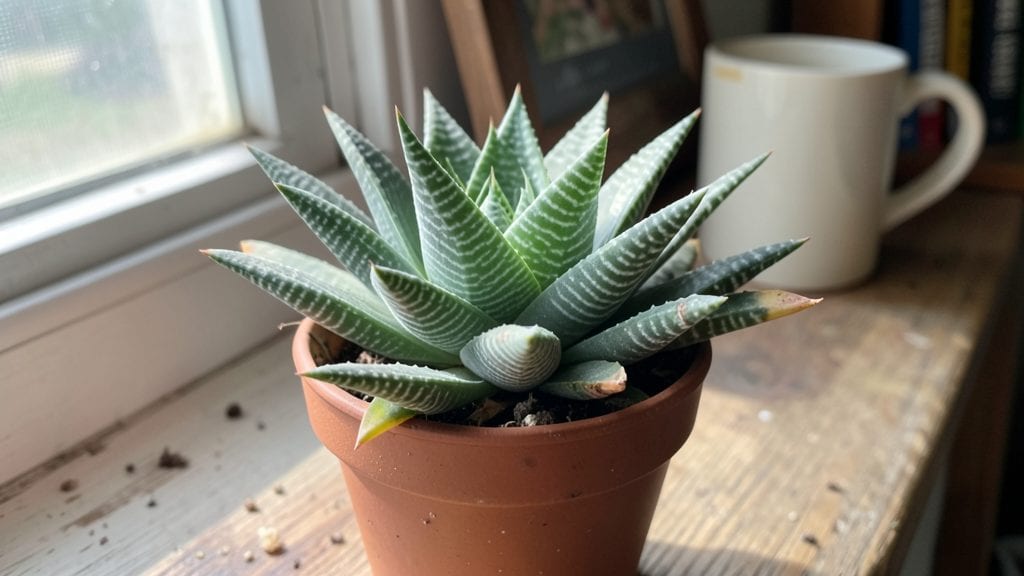
Pointy leaf plants like snake plants and agave grow roots in just 10 days when you use the right propagation method. I’ve cut my propagation time in half by switching from soil to water—no fancy tools, just a glass of water and a sharp knife.
The key is choosing healthy leaves with clean cuts and keeping them in bright, indirect light while roots form.
These plants thrive on neglect once established, but the first 10 days are critical. Snake plants need minimal water, while agave prefers slightly drier conditions. Place your cuttings in a jar of water, change it every 3 days, and watch roots sprout in less than two weeks.
The best part? You’ll have new plants ready to pot up before most gardeners even start their seeds.
You’ll end up with lush, vibrant plants that fill your space with striking foliage. Pointy leaf varieties like yucca and haworthia add architectural interest without needing constant care. Once rooted, they’ll grow steadily, giving you a collection of low-maintenance greenery that’s perfect for shelves, desks, or sunny windowsills.
This method works for both beginners and experienced growers—no green thumb required. Whether you’re filling gaps in your collection or sharing cuttings with friends, you’ll have healthy starts in record time. Ready to turn those leaves into new plants?
Root Causes Of Leaf Distortion
Understanding why your plant develops sharp, pointy leaves is the first step to fixing it—and preventing it from happening again. These changes often stem from environmental stress, nutrient imbalances, or genetic quirks. Let’s break down the key culprits behind this leafy mystery.
Plants, like us, thrive in stable conditions. When temperatures fluctuate drastically—whether too hot, too cold, or rapidly changing—your plant’s growth patterns can go haywire. Pointy leaves often signal heat stress or chilly drafts, especially in species like Haworthia or Echeveria, which prefer consistency.
- Too Hot? High temps (above 90°F) can cause cells to elongate unevenly, leading to sharp, narrow leaves. Think of it like overcooking pasta—too much heat warps the shape! - Too Cold? Below 50°F can stunt growth, forcing the plant to focus on survival over leaf development.
This results in stiff, pointed leaves as a defensive mechanism. - Drafty Conditions? Sudden cold drafts (near AC vents or open windows) can shock the plant, causing distorted growth.
Actionable Fix: 🔥 Move your plant to a spot with stable temps (ideally 65–75°F during the day, 55–65°F at night). 🌡️ Use a heat mat in winter or a shade cloth in summer to buffer extremes.
Leaves aren’t just shaped by water and light—they’re also sculpted by what’s in the soil. Over- or under-fertilizing can lead to pointy, stiff leaves, as can deficiencies in key nutrients.
| Nutrient Issue | Symptoms | Why It Happens |
|---|---|---|
| Nitrogen Deficiency | Pale, pointed leaves with weak stems | Nitrogen fuels leaf growth; without it, leaves become stiff and underdeveloped. |
| Potassium Deficiency | Yellow edges + pointed tips | Potassium regulates water and enzyme activity; a lack causes distorted cell growth. |
| Over-Fertilizing | Crispy, pointed leaves with burn marks | Excess salts in soil disrupt water uptake, leading to dehydration and sharp edges. |
Actionable Fix: 💡 Test your soil with a simple kit to check pH and nutrient levels. 🌱 Adjust fertilizer to a balanced formula (like 10-10-10) and dilute it to half-strength. 🚰 Flush the soil every 3 months with water to prevent salt buildup.
Water is the lifeblood of your plant, but getting it wrong can turn lush leaves into pointy spikes. Both drought stress and overwatering can trigger this response.
- Underwatering: When roots struggle to absorb moisture, the plant conserves water by producing smaller, thicker leaves with sharp tips (a survival tactic to reduce surface area). - Overwatering: Soggy soil deprives roots of oxygen, leading to poor nutrient uptake.
The plant may respond by growing stiff, pointed leaves as a sign of distress.
Actionable Fix: 🔥 Check soil moisture before watering—stick your finger 1–2 inches deep. If dry, water; if damp, wait. 🌧️ Use well-draining soil (cactus/succulent mix works great for pointy-leaf plants). ⏰ Water in the morning to allow excess moisture to evaporate during the day.
Not all pointy leaves are a red flag! Some plants, like Haworthia, Gasteria, or certain Aloe varieties, naturally develop sharp, spiky leaves as they mature. This is their genetic blueprint, not a sign of poor care.
- Young Plants: New growth often starts pointed before softening as the plant ages.
- Mature Plants: Some species (like Haworthia attenuata) keep their pointy leaves forever—they’re part of the charm!
Actionable Fix: 🔍 Research your plant’s species—if it’s known for pointy leaves, embrace it! 📸 Compare photos of mature specimens to see if your plant is developing normally.
Pro Tip: 🌿 If your plant’s leaves are pointy but the rest of it looks healthy (no yellowing, wilting, or pests), it might just be a natural trait! Focus on stable conditions, and your plant will thrive—pointy or not.
Fixing Pointy Leaf Issues Fast
If your plant’s leaves are developing sharp, jagged edges instead of their usual smooth shape, don’t panic—there’s a solution! The good news is that most causes of pointy leaves are reversible with the right adjustments.
Below, we’ll break down practical fixes for each common issue, along with prevention tips to keep your plant thriving.
Signs: Yellowing edges, mushy stems, or leaves curling with sharp tips.
How to Fix It: 🔥 Step 1: Check the Soil – Stick your finger 1-2 inches into the soil. If it’s soggy, your plant is overwatered. 🍳 Step 2: Adjust Watering – Let the top 1-2 inches of soil dry out completely between waterings. Use a pot with drainage holes if it doesn’t already have them. 👨🍳 Step 3: Improve Drainage – Mix in perlite or sand (20%) into your potting mix to help excess water drain faster. 🥘 Step 4: Repot if Needed – If the roots are rotting, trim away the damaged parts with sterilized scissors and repot in fresh, well-draining soil.
Prevention Tips: ✨ Water only when the soil is dry—stick to a schedule (e.g., every 5-7 days in warm weather). 💡 Use a moisture meter to avoid guesswork. 🌡️ Avoid saucers without drainage—empty excess water after watering to prevent root rot.
Signs: Crispy, brown, or sharp-edged leaf tips, especially on the sun-exposed side.
How to Fix It: 🔥 Step 1: Move Your Plant – Relocate it to a spot with bright, indirect light (e.g., near an east-facing window). 🍳 Step 2: Use Sheer Curtains – If sunlight is unavoidable, filter it with a light fabric curtain. 👨🍳 Step 3: Gradually Acclimate – If moving indoors, introduce sunlight slowly over a week to prevent shock.
Prevention Tips: ✨ Know your plant’s light needs—most pointy-leaf varieties (like snake plants or pothos) prefer medium to bright indirect light. 💡 Rotate the pot occasionally so all sides get even light exposure. 🎯 Watch for leaf burn—if tips turn crispy, it’s a sign to move it back a few feet.
Signs: Dry, brittle leaf tips that curl inward, or leaves developing sharp edges from dehydration.
How to Fix It: 🔥 Step 1: Water Thoroughly – Soak the soil until water drains from the bottom, then wait until the top inch is dry before watering again. 🍳 Step 2: Increase Humidity – Place the pot on a tray of pebbles with water (ensure the pot isn’t sitting in water) or use a humidifier nearby. 👨🍳 Step 3: Mist Leaves (Gently!) – Use a spray bottle to mist leaves in the morning, but avoid overdoing it if your plant dislikes wet foliage (e.g., succulents).
Prevention Tips: ✨ Group plants together—they create a microclimate with higher humidity. 💡 Use a hygrometer to monitor humidity levels (ideal range: 40-60% for most houseplants). 🌡️ Avoid drafts—AC vents or heaters can dry out leaves quickly.
Signs: Leaf tips turning brown and pointy, with possible yellowing between veins.
How to Fix It: 🔥 Step 1: Test Your Soil – Use a simple soil test kit to check pH and nutrient levels. 🍳 Step 2: Fertilize Correctly – Use a balanced liquid fertilizer (like 10-10-10) diluted to half-strength every 4-6 weeks in growing season. 👨🍳 Step 3: Add Epsom Salt (for Magnesium) – Dissolve 1 teaspoon of Epsom salt in a gallon of water and water your plant monthly. 🥘 Step 4: Check pH Levels – Most pointy-leaf plants prefer slightly acidic to neutral soil (6.0-7.0). Adjust with lime (to raise pH) or peat moss (to lower it).
Prevention Tips: ✨ Don’t over-fertilize—too much salt can also cause tip burn. 💡 Rotate fertilizers—alternate between organic (compost tea) and synthetic for best results. 🎯 Flush the soil every few months with plain water to remove excess salts.
Signs: Leaf tips browning or developing sharp edges due to sudden temperature drops or cold drafts.
How to Fix It: 🔥 Step 1: Keep It Warm – Most houseplants thrive in 65-75°F (18-24°C). Avoid placing near windows in winter or AC vents. 🍳 Step 2: Improve Airflow – Use a small fan on low setting (2-3 hours/day) to prevent stagnant air, which can cause stress. 👨🍳 Step 3: Avoid Drafts – Keep away from doors, windows, and heating/cooling sources.
Prevention Tips: ✨ Use a thermometer near your plant to monitor temperature swings. 💡 Group plants away from entryways—drafts from opening doors can shock them. 🌡️ In winter, move plants away from cold windows—glass conducts cold, damaging leaves.
Final Pro Tip: 🌟 Trim the damaged tips with clean scissors to encourage new, healthy growth! Most plants bounce back quickly once the underlying issue is fixed. Keep an eye on your plant’s response—if problems persist after 2-3 weeks, revisit the care routine.
Frequently asked questions
Which plants have naturally pointy leaves?
Many popular houseplants feature sharp, pointed foliage by nature. Snake plants (Sansevieria) develop rigid, sword-like leaves, while Haworthia and Gasteria succulents grow thick, spiky rosettes. Other architectural picks include Yucca, Dracaena marginata (dragon tree), and Agave varieties, which all showcase dramatic pointed shapes as part of their mature form.
How do I propagate a pointy-leaf plant like a snake plant?
Snake plants root easily from leaf cuttings in just 10 days! Cut a healthy leaf into 2-inch sections, let them callus for 1-2 hours, then place in water or moist perlite. Keep in bright, indirect light and change the water every 3 days. For faster results, use a rooting hormone on the cut ends before planting.
Why are my pointy-leaf plants developing crispy tips?
Crispy tips usually signal low humidity or overwatering. Most pointy-leaf varieties (like Dracaena or Yucca) prefer 40-60% humidity. Try placing the pot on a pebble tray with water or group plants together to create a microclimate. If the soil stays soggy, reduce watering to every 2-3 weeks and ensure the pot has drainage holes.
Can I grow pointy-leaf plants outdoors in cold climates?
Most tropical pointy-leaf plants (like Agave or Haworthia) need protection from frost. In zones below USDA 9, grow them in containers and bring them indoors before temperatures drop below 50°F. Hardy varieties like Yucca or Dracaena can tolerate 20-30°F but may need winter mulch. Always acclimate plants gradually to outdoor conditions in spring.
What's the fastest way to revive a stressed pointy-leaf plant?
Start with a soil reset: Remove the plant, trim any dead roots, and repot in fresh, well-draining cactus/succulent mix. Water lightly for 2 weeks to avoid shock, then gradually increase care. Place in bright, indirect light and avoid fertilizing until new growth appears. Most pointy-leaf plants recover quickly once their roots have proper drainage and stability.