
Companion Plants
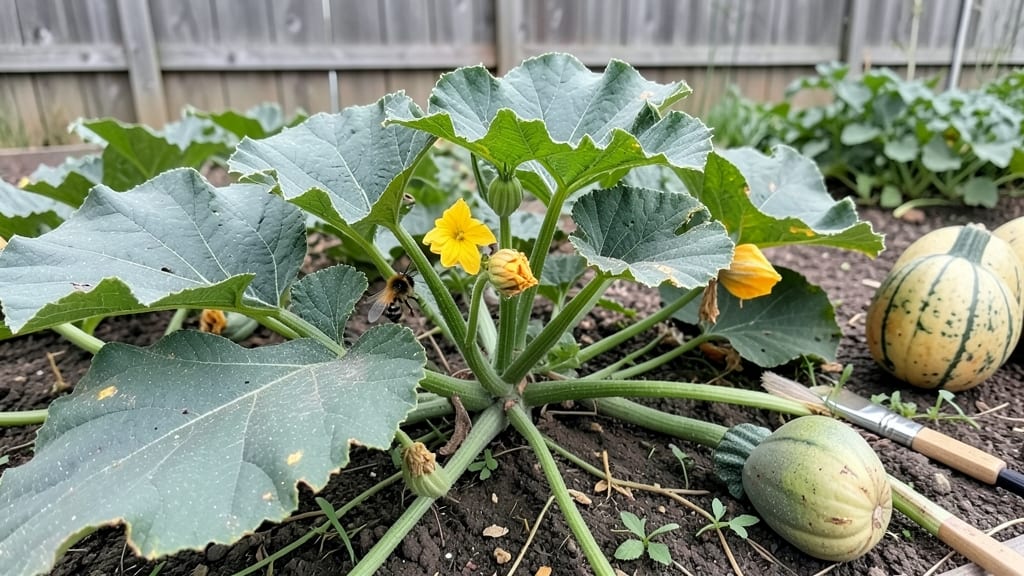
Learning how to pollinate squash plants can transform those lonely blooms into a bountiful harvest of zucchini and pumpkins. 🌱 I’ve watched zucchini and pumpkin blooms drop off only to discover the missing link—no pollinators or pollen transfer. This trick guarantees fruit set even when bees stay away.
The process couldn’t be simpler: grab a small paintbrush or cotton swab, dip it in pollen from a male flower, then gently brush the female’s stigma. It takes less than a minute per flower, and within days, you’ll spot tiny squash forming where there were none before.
For greenhouse growers, this method is a game-changer during cold snaps when pollinators take a break.
You’ll know it’s working when those female flowers (the ones with tiny squash bumps at their base) start swelling within a week. The best part? This technique works for both zucchini and pumpkins, and it’s foolproof even for beginners.
Once you’ve done it once, you’ll wonder how you ever struggled with blank vines.
For extra insurance, plant pollinator-friendly flowers nearby like marigolds or borage—they’ll bring bees back naturally while you’re busy hand-pollinating. The combination of both methods means heavier fruit set and fewer wasted blooms. Let’s get those squash growing!
📚 In This Guide
- What you need
- Instructions
- Tips and common mistakes
- Wrapping up and next steps
What you need
- ● Squash plants (male and female flowers—look for the tiny squash at the base of female blooms! 🌸)
- ● Small paintbrush or cotton swab (sterilized to avoid cross-contamination)
- ○ Magnifying glass (optional but helpful)—to spot tiny pollen sacs on male flowers
- ● Spray bottle with water (for gentle flower handling)
- ○ Gloves (optional)—to keep hands clean and avoid transferring oils that might repel bees
- ● Notebook & pen—to track pollination dates and progress
- ● Bee-friendly companion plants (like marigolds or borage) to attract pollinators naturally
- ● Humidity dome or cloche—for indoor or greenhouse pollination
- ● Timer or alarm—to remind you to check flowers daily (especially in hot/dry weather)
- ● Pollen collection kit (if saving seeds for future seasons)
Step-by-Step instructions for hand-pollinating squash plants
This simple trick ensures every flower turns into fruit—no bees required.
🌿 Step 1: Identify Female Flowers for Pollination
Female squash flowers grow at the base of the vine where a tiny squash already forms. Look for a small round fruit (the size of a marble) at the flower's base—this is your target. Male flowers, by contrast, have no fruit and grow on long stems. I always check in the morning when flowers are freshest and dew makes details easier to see.
Gently hold the flower between your thumb and forefinger, being careful not to damage the delicate petals. The goal is to expose the stigma (the fuzzy center) without tearing anything. If the flower feels too fragile, wait until the next day—some varieties open more slowly than others.
🌱 Step 2: Collect Pollen from Male Flowers
Find a male flower (no fruit at the base) and wait until it fully opens—petals should be flat and bright. Use a clean paintbrush or cotton swab from your supplies to gently touch the center of the flower. You’ll see yellow pollen cling to the brush—this is what fertilizes female flowers.
I like to collect pollen from 2-3 male flowers per female flower to ensure a strong transfer. Tap the brush lightly against the edge of a small container (like a plastic cup) to remove excess pollen before moving to the next flower. This prevents clumping and ensures even distribution.
💧 Step 3: Transfer Pollen to Female Flowers
Dip the pollen-covered brush into the female flower’s center, focusing on the stigma. Move the brush in small circles to coat the entire surface evenly. You’ll see pollen stick to the fuzzy stigma—this is the critical step. If the stigma looks dry afterward, repeat the process with a fresh male flower.
Work quickly but gently. Squash flowers wilt fast in hot sun, so I pollinate early in the morning or during overcast afternoons. Avoid touching the petals too much—they bruise easily, and damaged flowers won’t set fruit.
⏰ Step 4: Monitor and Repeat for Heavy Fruit Set
After pollination, watch for the flower to wilt and drop within 24-48 hours. This signals successful fertilization. The tiny fruit at the base will swell within a week—this is your confirmation. I mark pollinated flowers with a small piece of colored tape to track progress and avoid over-pollinating the same vine.
Repeat this process every 2-3 days during peak flowering (usually mid-morning on sunny days). Squash plants produce flowers faster than they can self-pollinate, so consistency is key. If you miss a day, don’t worry—just resume as soon as you spot new female flowers.
☀️ Step 5: Optimize Conditions for Fruit Development
After pollination, ensure plants get consistent water (about 1 inch per week) and full sun. Stress from drought or shade causes flowers to drop before setting fruit. I always water at the base in the morning to keep soil evenly moist but not soggy.
Fertilize lightly with a balanced 10-10-10 mix every 2 weeks once fruits appear. Too much nitrogen encourages leafy growth at the expense of fruit. Watch for squash bugs or cucumber beetles—these pests chew flowers before they can be pollinated, so remove them by hand if you spot them.
Tips & tricks for perfect hand-pollinated squash
Here's what I've learned after hand-pollinating dozens of squash plants—these tricks will help you maximize fruit set and avoid common pitfalls.
Timing Secret: The 24-48 hour window after pollination is critical. Flowers wilt fastest on hot days, so check them every 12 hours during peak summer heat. I've found that pollinating just after sunrise gives you the full 48-hour window before afternoon wilting begins. If you're working with a large garden, prioritize the most fragile flowers first—they'll show signs of wilting earliest.
The Technique That Changed Everything: In Step 3, when transferring pollen, focus on the stigma's texture—it should feel slightly damp and fuzzy. If it looks dry or crumbly, collect fresh pollen from another male flower. I've ruined several pollinations by using old pollen that had already dried out. Also, work in small batches—squash flowers can close up quickly in direct sun, especially if you're not gentle with the petals.
Monitoring Success: After pollination, look for these three signs of success: (1) The flower wilts completely within 24-48 hours, (2) The tiny fruit at the base swells noticeably within a week, and (3) The stem connecting the fruit to the vine thickens slightly. I keep a small notebook by my garden to record which flowers I've pollinated and when, which helps me track patterns. If you're not seeing these signs, you may need to collect more pollen or pollinate more frequently.
Equipment Upgrade: While a clean paintbrush works perfectly, I've found that cotton swabs make the process even easier for beginners. They're gentler on delicate petals and hold just enough pollen for one transfer. Keep a small container of swabs in your garden toolkit—you'll wish you had them when you're dealing with stubborn flowers. For larger gardens, consider a small magnifying glass to help you spot the tiny stigmas more easily, especially on varieties with small flowers.
Pro Tips for Pollinate Squash Plants
- Here's what I've learned after hand-pollinating dozens of squash plants—these tricks will help you maximize fruit set and avoid common pitfalls.
- Timing Secret: The 24-48 hour window after pollination is critical.
- The Technique That Changed Everything: In Step 3, when transferring pollen, focus on the stigma's texture—it should feel slightly damp and fuzzy.
Frequently asked questions
Got questions about pollinating squash plants?
You’re not alone! Here are answers to the most common queries to help you grow a bountiful harvest—even without bees buzzing around.
Why do my squash flowers keep falling off before fruiting?
This usually happens when flowers aren’t pollinated properly. Squash plants rely on bees (or you!) to transfer pollen from male to female flowers. If they’re not pollinated, the female flowers drop off within 24–48 hours. Try hand-pollinating early in the morning when flowers are fresh, or check for pests like squash vine borers that may stress the plant.
When is the best time of day to hand-pollinate squash?
Pollinate squash flowers early in the morning (between 7–9 AM) when humidity is low and flowers are fully open. Avoid midday heat or evening dampness, as these conditions can make pollen sticky or flowers more prone to disease. Pro tip: Use a soft brush or cotton swab to gently transfer pollen from male to female blooms.
Can I skip hand-pollination if I have bees in my garden?
Bees usually handle pollination, but squash plants can still benefit from a little help—especially in urban areas, during cool weather, or if pesticides have reduced bee activity. If you notice male flowers (with long stems) dropping without female flowers (with tiny squash bumps) setting fruit, give hand-pollination a try for a guaranteed harvest.
What if my squash flowers aren’t producing fruit at all?
Check these common issues:
- Lack of pollination: Manually transfer pollen between flowers.
- Too much nitrogen: Fertilizer-heavy soil can boost foliage but reduce fruit production. Switch to a balanced or phosphorus-rich fertilizer.
- Temperature stress: Squash thrives in 70–90°F weather. Extreme heat or cold can stunt flowering.
- Pests/disease: Inspect leaves for holes (vine borers) or spots (powdery mildew). Treat early to protect plants.
Can I use companion plants to attract more pollinators?
Plant bee-friendly companions like basil, marigolds, or nasturtiums near your squash to lure pollinators naturally. Avoid strongly fragrant herbs (e.g., mint or lavender), which can repel bees. A diverse garden with clover, sunflowers, or dill also creates a pollinator paradise—helping both your squash and your sanity!
Wrapping up and next steps
Pollinating squash plants by hand is a simple yet powerful way to ensure a bountiful harvest—no bees required! 🌱 Whether you’re dealing with poor pollinator activity or just want to maximize fruit set, this method takes just minutes and yields big results.
With the right tools and a little patience, you’ll be on your way to a garden bursting with plump, healthy squash.
Ready to put your new skills to work? Start by monitoring your plants daily—especially on warm, sunny days—and soon, you’ll be reaping the rewards of your efforts. Happy gardening! 🎉