
Propagation
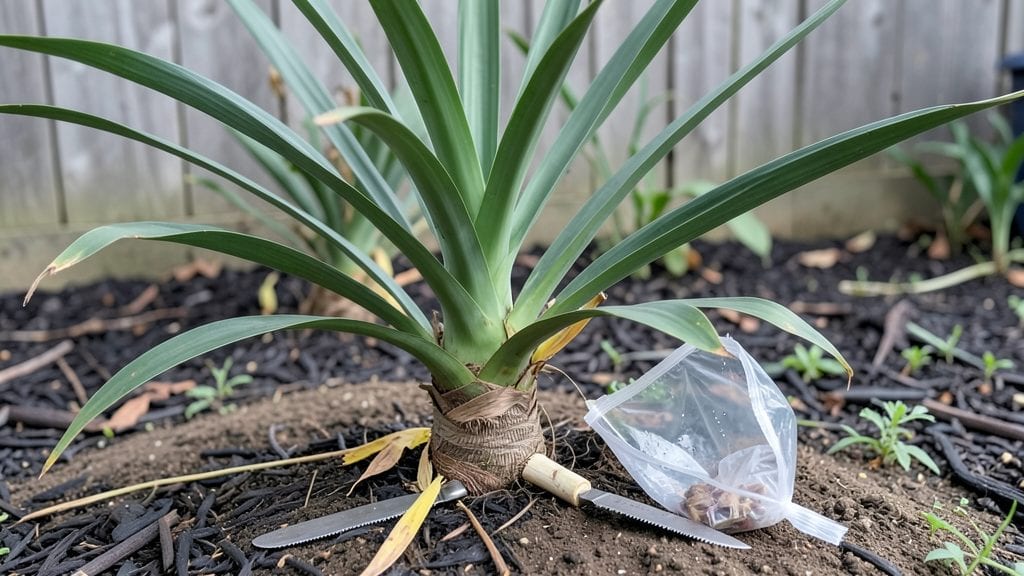
Propagating pandan plants unlocks that signature tropical fragrance without buying new plants. ✨ I’ve turned a single stem into a lush, fragrant bush just by following a few simple steps—no green thumb required.
The best part? You can root them in water or soil, depending on your patience level and setup.
The key to success is clean cuttings and the right conditions. Use sharp scissors to snip 4-6 inch stems just below a leaf node, then let them callus for a day before placing in water or moist soil.
Pandan roots slowly, so be patient—it can take 4-8 weeks to see roots forming. A warm, humid spot speeds things up dramatically.
Once rooted, your new pandan will reward you with that unmistakable vanilla-citrus scent and glossy, strap-like leaves. Keep it in bright, indirect light and water when the top inch of soil feels dry. Over time, you’ll have a fragrant, low-maintenance plant that thrives in pots or even as a houseplant.
Common pitfalls include rot from overwatering or slow growth in dry air. If you notice yellowing leaves, adjust your watering or move the plant to a more humid spot. With the right care, your propagated pandan will grow into a striking, aromatic centerpiece for your home.
📚 In This Guide
- What you need
- Instructions
- Tips and common mistakes
- Wrapping up and next steps
What you need
- ● Pandan plant cuttings: 3–5 healthy, mature stems (4–6 inches long)
- ● Each cutting should have 2–3 nodes (where leaves grow)
- ● Propagation method choice: Water propagation: Clean glass jar (16–20 oz) or vase
- ● Soil propagation: Well-draining potting mix (cactus/succulent blend or perlite + coconut coir)
- ● Tools: Sharp pruning shears or scissors (sterilized with rubbing alcohol)
- ○ Rooting hormone (optional but helpful for soil propagation)
- ● Small pots (3–4 inches in diameter) for soil method
- ● Spray bottle (for misting in humid environments)
- ● Activated charcoal (1 tsp) to prevent water rot in jars
- ● Clear plastic bag (to create a humidity dome for soil propagation)
- ● Grow lights or bright, indirect sunlight (if natural light is limited)
- ● Label markers (to track propagation dates!)
Step-by-Step instructions for propagating pandan plants
Here’s the straightforward method I’ve used to successfully root pandan cuttings—both in water and soil.
🌱 Step 1: Select and Prepare Healthy Cuttings
Choose a mature pandan plant with thick, healthy stems. Look for sections with at least 3-4 inches of growth and 2-3 leaves per cutting. Use clean, sharp pruning shears to make a clean cut just below a leaf node—this is where roots will sprout. I always sterilize my shears with rubbing alcohol first to prevent infection.
Remove the lower leaves, leaving only the top 2-3 leaves. This reduces moisture loss and directs energy toward root growth. If the leaves feel dry or crispy, trim them back further. A healthy cutting should have vibrant green leaves and no signs of yellowing or browning.
💧 Step 2: Root in Water (Easiest Method for Beginners)
Fill a clean glass or jar with room-temperature water, leaving enough space to submerge 1-2 inches of the stem. Avoid using tap water that’s been sitting for days—it can develop chlorine or bacteria. I use filtered or distilled water to keep my cuttings thriving. Place the cutting in the water, ensuring only the stem is submerged, not the leaves.
Change the water every 3-4 days to prevent bacterial growth. Keep the jar in a warm spot with bright, indirect light—direct sun can cause the water to overheat. Within 2-4 weeks, you’ll see tiny white roots forming. Once roots reach 2-3 inches, it’s ready to transplant into soil.
🪴 Step 3: Root Directly in Soil (Faster Transition)
Fill a small pot with well-draining potting mix—pandan hates soggy roots. I use a mix of 50% peat moss and 50% perlite for airflow. Dip the cuttings in a rooting hormone powder (optional but helpful) to encourage faster growth. Plant the cutting 1-2 inches deep, firming the soil gently around the stem.
Water lightly until moisture seeps from the bottom of the pot, then drain excess water. Place the pot in a warm, humid spot with bright, indirect light. Keep the soil consistently moist but not waterlogged—pandan roots need air to breathe. In 4-6 weeks, check for new growth at the base. If the leaves stay green and firm, roots are forming.
☀️ Step 4: Acclimate and Care for New Plants
Once roots are established (either in water or soil), move the cutting to a location with bright, indirect light for 2-3 weeks to help it adjust. Avoid full sun at first—it can scorch the leaves. Water when the top 1 inch of soil feels dry, but don’t let the plant sit in standing water.
After 4-6 weeks, fertilize lightly with a balanced liquid fertilizer (half-strength) to encourage stronger growth. Pandan plants love humidity, so mist the leaves occasionally or place the pot on a tray of pebbles with water. You’ll know it’s thriving when new leaves emerge and the plant grows taller.
Tips & tricks for propagating pandan plants
Here's what I've learned after successfully rooting dozens of pandan cuttings—these tricks will help you avoid common pitfalls and boost your success rate.
Cutting Selection Matters: In Step 1, focus on stems with at least 3-4 inches of growth and 2-3 leaves. The thicker the stem, the better chance of root development. I've found that cuttings with a slight bend at the base root more easily because they've already started branching. Look for vibrant green leaves with no yellowing or brown spots—these are your best candidates.
Water Quality is Critical: For Step 2, never use tap water that's been sitting for days—it can develop harmful bacteria. I've had the best success with filtered or distilled water. Change the water every 3-4 days as instructed, but also watch for cloudiness or foul odors, which mean it's time for a fresher change. Room-temperature water prevents shock to the cutting.
Light Exposure Secrets: The bright, indirect light mentioned in Steps 2 and 3 is crucial. I place my cuttings near an east-facing window where they get morning sun but are protected from harsh afternoon rays. If you notice leaves turning yellow or crispy, they're getting too much direct sun. A sheer curtain helps diffuse light while maintaining brightness.
Transplanting Transition: When moving from water to soil in Step 3, don't rush it. Wait until roots reach 2-3 inches before transplanting—they need this length to establish themselves in soil. I've seen cuttings fail when transplanted too early because their root systems weren't developed enough to support themselves in the new medium.
Pro Tips for Propagate Pandan Plant
- Here's what I've learned after successfully rooting dozens of pandan cuttings—these tricks will help you avoid common pitfalls and boost your success rate.
- Cutting Selection Matters: In Step 1, focus on stems with at least 3-4 inches of growth and 2-3 leaves.
- Water Quality is Critical: For Step 2, never use tap water that's been sitting for days—it can develop harmful bacteria.
Frequently asked questions
Got questions about propagating your pandan plant? You’re not alone! Here are some of the most common queries—plus straightforward answers to help you grow like a pro.
Can I propagate pandan in water or should I go straight to soil?
Both methods work! Water propagation is beginner-friendly and lets you monitor root growth, but soil is ideal for faster establishment. If using water, transfer to soil once roots reach 2–3 inches. For soil, bury the base 1–2 inches deep and keep it moist. Pro tip: Water propagation may take 4–6 weeks; soil can speed things up if you keep humidity high!
How long does it take for pandan cuttings to root?
Patience is key! In water, roots typically appear in 4–6 weeks, while soil propagation may take 6–8 weeks. Speed up the process by:
- Using warm water (70–75°F) for water propagation.
- Keeping soil consistently moist (not soggy).
- Providing bright, indirect light.
Why is my pandan cutting rotting instead of rooting?
Rotting usually means too much moisture or poor air circulation. Fix it by:
- Reducing water (for water propagation, change it every 3–5 days).
- Ensuring soil is well-draining (mix with perlite or sand).
- Avoiding overcrowding—space cuttings 2+ inches apart.
Can I propagate pandan from a store-bought plant?
Look for healthy plants with thick, mature stalks (at least 1/2 inch in diameter). Cut just above a node (where leaves grow) with clean, sharp scissors. Store-bought plants often have pesticides—rinse cuttings with water before propagating to avoid chemical buildup.
What’s the best temperature for propagating pandan?
Pandan thrives in warmth (70–85°F). Avoid cold drafts or temps below 60°F, which slow rooting. Use a heating mat (for soil) or place water cuttings near a warm spot (like a sunny windowsill). If your home is chilly, a small greenhouse or plastic bag over soil cuttings can help retain heat.
Bonus Tip: Can I propagate pandan in tea or coconut water?
While plain water is best, some gardeners swear by adding a splash of coconut water (for nutrients) or weak tea (like green tea, for antioxidants). Just dilute it—never use full-strength. Stick to water for foolproof results, though!
Wrapping up and next steps
Growing your own pandan plant is a rewarding journey that brings a touch of the tropics into your home! Whether you choose water propagation or soil propagation, the key is patience and consistency—your fragrant green friend will thrive with the right care.
Now that you’re armed with tips and tricks, why not give it a try? Start with a single cutting, and soon, you’ll be enjoying the sweet, vanilla-like scent of pandan in your space. Happy propagating! 🌿✨
- Next step: Pick a sunny spot, grab your supplies, and let the magic happen!