
Pruning
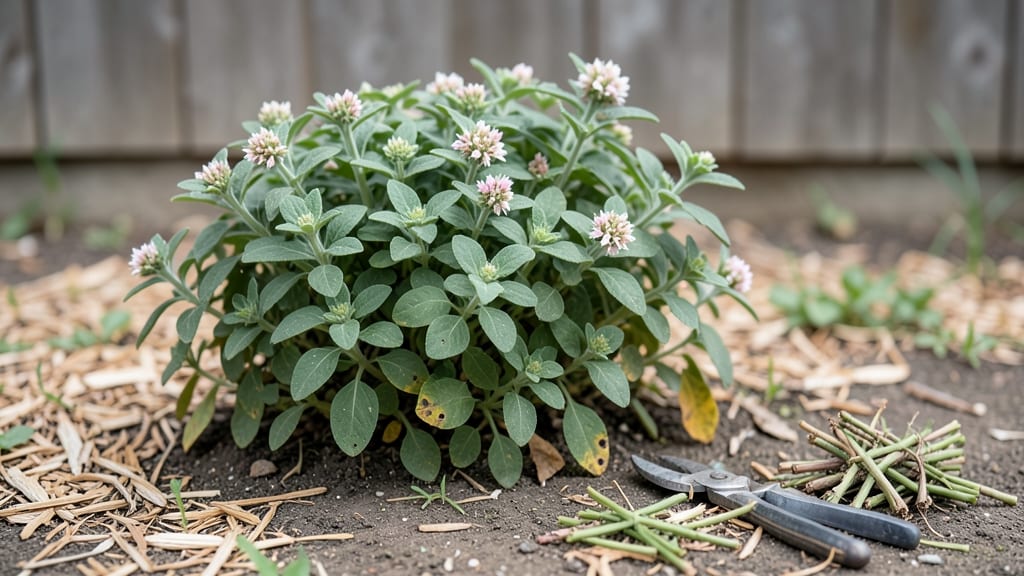
Pruning oregano plant isn't just about shaping—it’s how you keep it producing flavorful leaves all year. ✨ I’ve learned the hard way that skipping pruning turns my oregano into a woody stick instead of the lush, aromatic plant I love.
The secret lies in timing: three key cuts a year transform it from scraggly to thriving.
You’ll need sharp pruning shears, a clean cutting surface, and about 15 minutes twice a year. Start in early spring when new growth appears, then again after harvests to encourage bushiness.
The third trim? Late summer, just before flowering, to redirect energy into leaf production. Every cut should target the bottom third of stems—this prevents woodiness and keeps the plant compact.
What you gain is a plant that stays soft, green, and productive for years. Snip the right way, and you’ll harvest enough fresh oregano to dry for winter cooking. The fragrance alone—earthy, citrusy, and bright—makes the effort worthwhile. Plus, pruned plants resist disease better and grow faster than neglected ones.
Common mistakes? Pruning too late in the season or cutting too aggressively. Avoid both, and your oregano will reward you with abundant, tender leaves that taste like the Mediterranean herbs you remember from childhood. Now, let’s get those shears ready!
📚 In This Guide
- What you need
- Instructions
- Tips and common mistakes
- Wrapping up and next steps
What you need
- ● Clean, sharp pruning shears – Bypass pruners (for small stems) or hand pruners (for thicker growth). Must be sterilized with rubbing alcohol to prevent disease. (1 pair)
- ● Gloves – Garden or nitrile gloves to protect hands from oils and thorns. (1 pair)
- ● Containers or trays – For trimmings. Use shallow dishes or mesh bags to air-dry cuttings. (1-2)
- ○ Rooting hormone (optional) – Speeds up propagation if you’re growing new plants from cuttings. (Small bottle)
- ○ Potting mix (optional) – Well-draining cactus/succulent mix for repotting pruned cuttings. (1 small bag)
- ● Healthy oregano plant – Choose a mature plant (6+ months old) with no signs of pests/disease.
- ● Sunlight access – Ensure your plant gets 6+ hours of sunlight daily for recovery post-pruning.
- ● Watering can or spray bottle – For light hydration after trimming. (1)
- ● Knowledge of growth cycles – Prune after flowering (late summer/fall) for best regrowth.
Instructions for pruning oregano to encourage bushy, abundant growth
Here’s how I keep my oregano lush and productive—three key cuts a year that prevent woody stems and boost flavor.
✂️ Step 1: First Trim After Spring Flush
Wait until new growth appears after your last frost date—usually late April or early May—when tender stems reach 3-4 inches tall. This first cut removes leggy, weak growth and signals the plant to branch out. I snip just above a set of leaves where two stems meet, using sharp pruning shears to avoid crushing stems.
Real talk: If you skip this, your oregano will grow tall and sparse, with fewer leaves for harvesting. Aim to cut back one-third of the plant’s height in this first pass. The goal is to open the center to sunlight and air, which prevents fungal issues and encourages dense foliage.
✂️ Step 2: Mid-Summer Maintenance Cut
Around mid-July, oregano often sends up long, woody stems that lose their aromatic oils. This is your cue to prune again, this time focusing on removing any stems that look thick or bare at the base. Cut these back to just above a leaf node—never to bare wood, or you’ll sacrifice next year’s growth.
I like to harvest a small bunch of leaves for cooking right after this trim. The plant responds by putting out fresh, tender shoots perfect for drying or fresh use. Avoid cutting more than 20-25% of the plant in this step—you’re shaping, not harvesting.
✂️ Step 3: Late-Season Cleanup Before Frost
About 6 weeks before your first frost, give oregano a final trim to tidy up. Remove any yellowed, damaged, or woody stems, cutting them back to healthy green growth. This prevents dead material from harboring pests over winter and keeps the plant compact.
Here’s the thing—if you live in a Zone 8 or warmer, you can leave oregano unpruned year-round, but in colder climates, a light winter trim (just the dead tips) helps it bounce back faster in spring. Never cut into old wood—oregano won’t regrow from bare stems.
⏰ Optional: Light Winter Pruning (Zones 5-7)
In colder regions, late February or early March, I give oregano a light haircut—just enough to remove any frost-damaged tips. This encourages fresh spring growth without stressing the plant. Use clean, sharp scissors to avoid tearing leaves, and dispose of clippings immediately to prevent disease.
Watch for new buds forming at the base—that’s your signal the plant is ready for its first spring flush. If you see none after 2 weeks, your cuts were too aggressive. Adjust next time by leaving more growth intact.
Tips & tricks for pruning oregano to encourage bushy growth
A few simple techniques will transform your oregano from sparse to lush—without sacrificing next year's harvest.
Timing is Everything: I can't stress this enough—pruning at the wrong time stresses the plant. For that first spring trim in Step 1, wait until you see new growth reaching 3-4 inches after your last frost. This tells me the plant has fully recovered from winter and is ready to branch out. In my Zone 6 garden, I've learned the hard way that cutting too early can shock the plant into dormancy again.
The 1/3 Rule: When you're making that initial cut in Step 1, visualize your plant divided into thirds. Remove the top third—this opens the center to sunlight and air circulation, which prevents fungal diseases like powdery mildew that can ruin your harvest. I always make my cuts just above a leaf node where two stems meet; this ensures new growth will sprout from that exact spot.
Equipment Matters: Never use dull scissors or shears—they crush stems and create jagged cuts that invite disease. I keep a pair of bypass pruners dedicated just to my herbs, and I sterilize them with rubbing alcohol between uses. For the mid-summer maintenance cut in Step 2, I switch to sharp garden shears for thicker stems, but I always make clean cuts at a 45-degree angle just above a leaf node.
Seasonal Adjustments: If you're in Zones 8-10 where frost isn't a concern, you can prune lightly every 6-8 weeks throughout the year. But in colder climates, that late-season cleanup in Step 3 is non-negotiable—it's your insurance policy against winter damage. I've seen oregano plants completely die back in Zone 5 winters when homeowners skipped this step, only to discover they'd accidentally pruned too aggressively the previous fall.
Pro Tips for Prune Oregano Plant
- A few simple techniques will transform your oregano from sparse to lush—without sacrificing next year's harvest.
- Timing is Everything: I can't stress this enough—pruning at the wrong time stresses the plant.
- The 1/3 Rule: When you're making that initial cut in Step 1, visualize your plant divided into thirds.
Frequently asked questions
When is the best time to prune oregano?
Prune oregano after flowering (late summer/early fall) to encourage bushier growth. Light trims can happen year-round, but avoid heavy cuts in winter—your plant rests then! For container-grown oregano, prune spring and fall to maintain shape and productivity.
How much should I trim off each time?
Remove 1/3 of the plant’s height during major prunes, focusing on leggy stems or overcrowded areas. For maintenance, snip just 1–2 inches above a leaf node (where new growth sprouts). Avoid cutting into woody stems—this can harm the plant.
Can I use pruned oregano stems for anything?
Fresh stems
can be used immediately in cooking (toss whole into dishes—they’ll wilt and infuse flavor). Dried leaves? Bundle stems, hang upside-down in a dark, dry place for 1–2 weeks, then strip and store in jars. No waste!
My oregano looks sad after pruning—what went wrong?
Over-pruning (cutting >50% of foliage) or trimming too late in the season can stress the plant. Signs of trouble: Yellow leaves (overwatering), bare stems (under-pruning), or slow regrowth (nutrient deficiency). Adjust your approach: prune lightly in spring and fertilize lightly post-prune for a comeback!
Do I need to prune oregano grown in pots vs. the ground?
Potted oregano
needs more frequent pruning (every 4–6 weeks) to prevent root-bound stress. Ground-planted oregano can go longer between trims (every 6–8 weeks). Pro tip: Pinch back tips of young plants to encourage bushiness—this works for both!
Wrapping up and next steps
Pruning your oregano plant isn’t just about keeping it tidy—it’s the secret to lush, flavorful growth year-round! By mastering the three strategic trims (spring, summer, and post-harvest), you’ll encourage bushier stems, healthier leaves, and a bountiful harvest for your kitchen.
Whether you’re a seasoned gardener or just starting, these simple steps make pruning feel like a breeze.
Now that you’re armed with the know-how, grab those shears and get pruning! 🌿 Next, why not share your progress in our gardening community or experiment with drying and storing your freshly pruned oregano? Happy growing!