Diseases
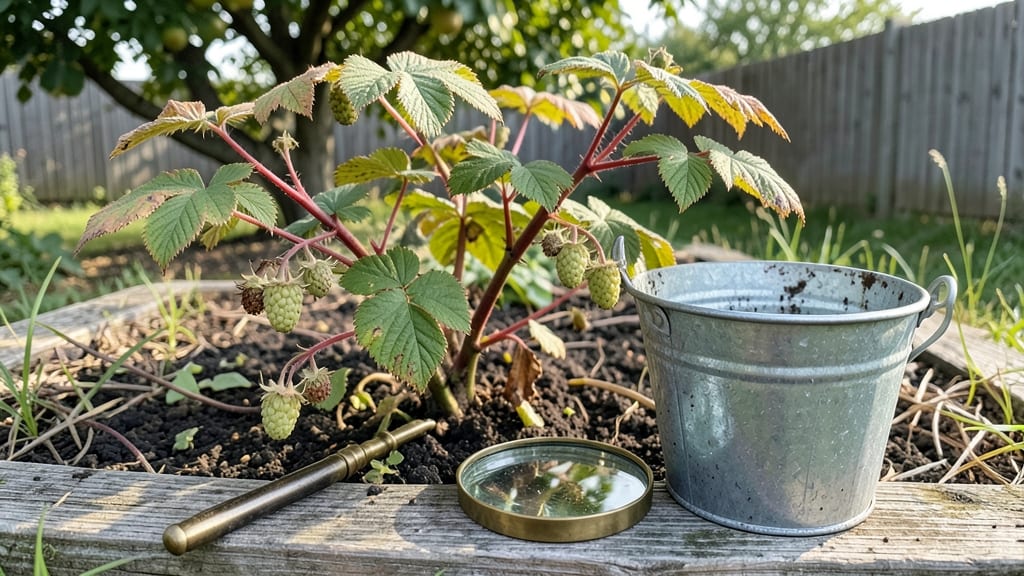
Raspberry plant diseases can turn your thriving bushes into sad, wilted shadows faster than you think. 🌱 I’ve seen cane blight blacken entire patches and powdery mildew smother leaves in days—both are sneaky and spread fast if you don’t catch them early.
The good news? Most have organic fixes that work just as well as chemicals, if not better.
These problems usually start with poor airflow, wet foliage, or stressed plants. Cane blight thrives in damp conditions, while powdery mildew loves shady spots with crowded canes. Verticillium wilt, though, is the real troublemaker—it lurks in the soil and can kill plants for years if you don’t break the cycle.
The key? Spacing, pruning, and keeping leaves dry.
With the right approach, you’ll spot issues before they spiral and revive plants in weeks. Think crisp, healthy canes and berries instead of brown mush. I’ll walk you through what to look for, how to treat it, and—most importantly—how to keep your raspberries disease-free next season.
Whether you’re a backyard gardener or a small-scale farmer, these fixes work. Let’s get your bushes back to producing those sweet, juicy berries without the heartache of loss.
Root Causes Of Raspberry Ailments
Raspberry plants are resilient, but they’re not immune to stress—whether from unseen microbes, environmental shifts, or human habits. Understanding why diseases strike helps you prevent them before they take hold. Below, we break down the science behind the most common triggers, so you can protect your berry patch proactively.
Raspberries are a buffet for fungi and bacteria, especially when conditions are just right. These pathogens don’t just appear—they exploit weaknesses in your plants’ defenses.
- High Humidity + Warmth = Fungal Feast
Fungi like Botrytis cinerea (gray mold) and Phytophthora thrive in damp, stagnant air.
When nights stay above 60°F (15°C) and mornings linger with dew, spores germinate on wet foliage or fruit. Pro tip: 🌡️ Space plants for airflow (3–4 feet apart) and prune lower branches to reduce humidity near the canopy.
- Wounded Canes = Bacterial Entry Points
Bacteria like Xanthomonas fragariae (bacterial leaf spot) or Pseudomonas syringae slip in through cuts, thorns, or insect damage. Even pruning wounds can become gateways if tools aren’t sterilized. Action step: 🔪 Sanitize pruners with 70% rubbing alcohol between cuts, and avoid pruning during wet weather.
- Old Debris = Pathogen Reservoirs
Last year’s fallen leaves or mummified fruit harbor spores and bacteria. Phytophthora, for example, can survive in soil for years. Quick fix: ✨ Clean up fallen debris in autumn and mulch with sterilized straw (not wood chips) to block spore splash-up during rain.
Raspberries are tough, but extreme or inconsistent conditions weaken their immune systems, making them vulnerable to diseases. Think of it like a human catching a cold after a week of poor sleep—stress lowers resistance.
| Stressor | How It Weakens Plants | Prevention |
|---|---|---|
| Poor Drainage | Waterlogged roots starve of oxygen, inviting Phytophthora root rot. Roots also absorb toxins from decomposing organic matter. | 💡 Test soil (aim for pH 5.5–6.5) and amend with compost + perlite to improve aeration. |
| Temperature Swings | Rapid shifts (e.g., frost followed by heat) shock plants, opening stomata for fungal entry. Botrytis loves these conditions. | ✨ Use row covers in spring/fall to moderate temps and mulch with straw to stabilize soil temperature. |
| Nutrient Imbalances | Too much nitrogen = lush, weak growth (susceptible to mildew). Too little potassium = poor cell walls (easier for pathogens to breach). | 📊 Soil test annually and balance with organic fertilizers (e.g., kelp meal for potassium). |
Even well-meaning gardeners can unintentionally create conditions that invite disease. Here’s how your actions might be backfiring—and how to fix them.
- Overhead Watering
Splashing water onto leaves spreads fungal spores like Didymella applanata (fruit rot) from the soil to foliage. Science note: Water droplets act like tiny catapults. Solution: 💦 Use drip irrigation or soaker hoses to deliver water at the base.
- Ignoring Variety Suitability
Some raspberry varieties (e.g., heritage types) are bred for disease resistance, while others (like Heritage or Boyne) are prone to Phytophthora if not planted in well-drained soil. Pro move: 🎯 Choose disease-resistant cultivars like ‘Heritage’ (for Phytophthora-resistant roots) or ‘Nova’ (for mildew tolerance).
- Skipping Crop Rotation
Planting raspberries in the same spot year after year exhausts soil microbes and leaves behind pathogen buildup. Example: Verticillium wilt can persist for 10+ years in infected soil. Fix: 🔄 Rotate raspberries with non-related plants (e.g., alliums, brassicas) every 3–4 years.
- Poor Pruning Timing
Pruning in wet conditions or leaving stubs longer than ½ inch creates entry points for bacteria. Timing tip: 🌿 Prune in dry weather (late winter/early spring) and make clean cuts at a 45° angle just outside the bud.
Remember: Most raspberry diseases are opportunistic. By addressing these root causes—whether it’s improving airflow, adjusting watering habits, or choosing the right varieties—you’ll create an environment where your plants stay strong and diseases struggle to take hold. 🚀
Quick Fixes for Raspberry Plant Ailments
When your raspberry plants show signs of stress, acting fast can mean the difference between saving your harvest and losing it. Below are practical, organic solutions tailored to common raspberry diseases, along with prevention tips to keep your plants thriving.
Think of this as your emergency repair kit for ailing berries!
Cause: Humid conditions, poor airflow, or wet foliage create the perfect breeding ground for fungi like powdery mildew (white dust) or botrytis (gray mold on fruits).
🔥 Fix It Fast:
- Prune & Air Out
- 🔪 Trim infected leaves (wear gloves!) and remove fallen berries to stop spores from spreading. Focus on inner canes where humidity traps.
- ⏰ Do this in the morning so foliage dries quickly in sunlight.
- Spray Organic Fungicides - Mix 1 tbsp baking soda + 1 tsp dish soap + 1 gallon water in a spray bottle. Apply every 7–10 days until symptoms fade. - For botrytis, try a neem oil spray (1 tsp neem oil + 1 tsp soap per quart of water).
Reapply after rain.
- Boost Plant Immunity
- 🌱 Feed with compost tea (rich in beneficial microbes) or kelp meal to strengthen canes.
- 🌡️ Space plants 2–3 feet apart to improve airflow.
💡 Prevention Tip:
- Water at the base (not overhead) and mulch with straw to keep soil moist but leaves dry.
Cause: Tiny invaders like spider mites (yellow stippling on leaves) or aphids (sticky residue) sap nutrients and spread viruses.
🍳 Homemade Remedies:
- Blast Them Off
- 👨🍳 Spray plants with a strong jet of water (early morning) to knock off aphids. Repeat daily for 3 days.
- For mites, wipe leaves with a damp cloth dipped in soapy water (1 tsp castile soap per quart).
- Introduce Beneficial Bugs
- 🐞 Ladybugs or lacewings (buy online) devour aphids. Release them at dusk when pests are active.
- 🌿 Plant companion flowers like marigolds or dill nearby to attract predators.
- Diatomaceous Earth (DE) Barrier
- ✨ Sprinkle food-grade DE lightly on soil around plants. It’s harmless to you but dries out mites in 48 hours.
💡 Prevention Tip:
- Inspect new plants before adding them to your patch. Quarantine suspicious ones for a week.
Cause: Overwatering or contaminated soil leads to root rot (mushy stems) or crown gall (lumpy growths at the base).
🔪 Emergency Surgery:
- Dig Up & Assess
- 🔪 Gently remove the plant and trim black, mushy roots with sterilized shears. Healthy roots are firm and white.
- For crown gall, cut out galls (but avoid healthy tissue). Dip pruners in rubbing alcohol between cuts.
- Repot or Refresh Soil
- 🌱 If root rot is severe, repot in sterilized potting mix (bake soil at 200°F for 30 mins to kill pathogens).
- 🌿 Amend garden soil with compost + perlite to improve drainage.
- Adjust Watering
- 💧 Water deeply but infrequently—raspberries hate soggy feet. Stick your finger in the soil; water only if the top 2 inches are dry.
💡 Prevention Tip:
- Raise beds or plant on slopes to prevent water pooling. Avoid over-fertilizing with nitrogen (it encourages soft, rot-prone growth).
Cause: Viruses (like bushy dwarf or mosaic) spread via aphids or infected tools. No cure exists—only removal.
🚨 Last Resort:
- Dig & Destroy
- 🔪 Pull the entire plant (roots and all) and bag it to prevent spores from spreading. Do not compost infected material.
- 🧼 Sterilize tools with bleach or rubbing alcohol after use.
- Quarantine New Plants
- 🌿 Buy certified virus-free raspberries from reputable nurseries. Avoid cuttings from unknown sources.
- Rotate Crops
- 🌱 Wait 2–3 years before replanting raspberries in the same spot to break the virus cycle.
💡 Prevention Tip:
- 🐞 Use row covers in early spring to block aphids before they transmit viruses.
Keep these go-to tools handy for any crisis:
- 🍃 Copper fungicide spray (for stubborn fungal issues).
- 🌿 Fish emulsion fertilizer (boosts recovery after stress).
- 🌡️ Thermometer (raspberries thrive at 60–80°F; extreme heat stresses them).
✨ Pro Tip: Healthy plants fight disease better! Regularly prune old canes (after harvest) and remove suckers to redirect energy to fruit production.
Remember: The key to happy raspberries is prevention + quick action. With these fixes, your plants will bounce back—and next year’s harvest will be even sweeter! 🍓💚
Frequently asked questions about raspberry plant diseases
What are the first signs of raspberry plant diseases I should watch for?
Look for unusual leaf spots (yellow, brown, or black patches), powdery white coatings (mildew), or mushy stems. Early symptoms include distorted leaves, wilting canes, or fruit that’s rotting before ripening. Catching these in the first 2 weeks gives you the best chance to save your plants.
Can I save my raspberry plants if they already have black canes?
Blackened canes from diseases like cane blight are often beyond saving, but you can prune them completely and focus on healthy growth. Sterilize your tools between cuts, and remove all infected debris from the area. Next season, space plants wider (3-4 feet apart) to improve airflow and prevent recurrence.
Are there organic sprays that work better than chemical ones?
Yes! For fungal issues, a baking soda spray (1 tbsp baking soda + 1 tsp soap per gallon of water) works wonders. For bacterial problems, copper fungicide (organic-certified) is effective. Neem oil also prevents many diseases when applied preventatively. Always spray in the morning so leaves dry quickly.
How do I know if my raspberry plants have a viral infection?
Viruses like mosaic or bushy dwarf show as yellow mottling on leaves, stunted growth, and small, deformed berries. There’s no cure—remove infected plants immediately and sterilize tools. Quarantine new plants for 2 weeks before adding them to your patch to prevent spread.
Can I still harvest berries from diseased plants?
Only if the disease is fruit-specific (like botrytis) and hasn’t spread to the canes. Remove all visibly infected berries immediately. For systemic diseases (like verticillium wilt), avoid harvesting—the fruit may carry pathogens. Always wash berries thoroughly before eating, even from healthy-looking plants.