
Companion Plants
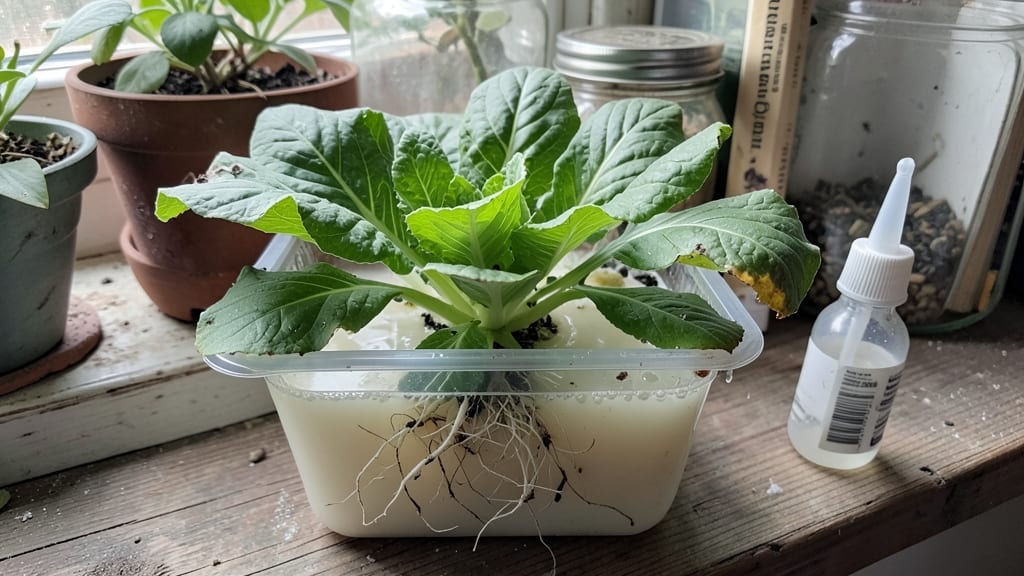
My garden’s struggling tomatoes and wilting herbs finally perked up after I planted these root toner plants—legumes, clovers, and deep-rooted grasses that secretly supercharge soil health. 🌱 The moment I noticed their leaves turning vibrant again, I knew I’d cracked the code to stronger roots without synthetic fixes.
These underrated companions don’t just tolerate poor soil; they actively improve it, making every other plant in the bed thrive alongside them.
Think of them as the unsung heroes of the garden: plants like alfalfa, vetch, or comfrey that dig deep, pulling nutrients up to where shallow roots can access them.
You’ll see the difference in just a few months—plants that once looked stressed now stand tall, with darker green leaves and better resistance to drought. The best part? They work whether you’re growing vegetables, flowers, or even struggling houseplants in containers.
Start by tucking them into borders or between rows—no special prep needed. Let them grow for a season, then chop and drop their foliage to feed the soil. Over time, your garden’s soil structure improves, holding moisture better and supporting roots that can’t wait to dive deeper.
It’s like giving your plants a natural root tonic every growing season.
Works for both beginners and seasoned gardeners, in raised beds or in-ground plots. Once you try it, you’ll wonder how you ever grew without them. Let’s get those roots revitalized!
📚 In This Guide
- What you need
- Instructions
- Tips and common mistakes
- Wrapping up and next steps
What you need
- ● Root Toner Plants: Comfrey (Symphytum officinale) – 3-5 mature plants
- ● Alfalfa (Medicago sativa) – 2-4 plants (cut-and-come-again variety preferred)
- ● Chicory (Cichorium intybus) – 2-3 plants (deep-rooted variety)
- ● Dandelion (Taraxacum officinale) – 1-2 plants (if growing wild, transplant carefully)
- ○ Soil Amendments (Optional but Helpful): Compost – 2-3 gallons (to enrich planting area)
- ● Mycorrhizal fungi – 1-2 packets (boosts root health)
- ● Wood ash (sparingly) – 1 cup (for potassium, if soil is acidic)
- ● Tools: Garden trowel or shovel
- ● Pruners (for harvesting leaves)
- ● Gloves (to protect hands from prickly plants like comfrey)
- ● Watering can or hose (with gentle spray nozzle)
- ● Sunlight: Full sun to partial shade (6+ hours of sunlight daily for best growth).
- ● Soil: Well-draining, slightly acidic to neutral (pH 6.0–7.0). Test soil if unsure!
- ● Space: Allocate 2–3 square feet per plant (or more for aggressive growers like comfrey).
- ● Water: Consistent moisture (1–2 inches per week, especially during dry spells).
How to select and plant root toner plants for soil revival
Here's my go-to method for choosing and planting soil-reviving companions that'll transform tired garden beds.
🌱 Step 1: Identify Your Soil's Weaknesses
First, examine your garden soil's biggest issues—whether it's compacted, nutrient-poor, or struggling with drainage. Root toner plants like comfrey excel at breaking up heavy clay, while clover adds nitrogen to depleted soils. I always test my beds first by squeezing a handful: if it forms a tight ball, you need deep-rooted looseners like dandelions or yarrow.
If your soil feels gritty and drains too fast, focus on alfalfa or chicory—their extensive root systems hold moisture while improving structure. Take notes on where you'll plant each type: shady corners for comfrey, sunny borders for clover. This ensures you're targeting each plant's natural strengths.
🪴 Step 2: Prepare Planting Sites
Clear the area of weeds and loosen the top 6 inches of soil with a broadfork or garden fork. Avoid tilling—it disrupts soil life. I like to work in 2-foot square sections at a time, mixing in a thin layer of aged compost only if your soil tests extremely poor. Root toners thrive when their roots can spread freely without competition.
For heavy clay soils, create 12-inch wide trenches every 3 feet where you'll plant comfrey or dandelions. These deep-rooted plants will gradually break up compaction from below. In sandy soils, scatter alfalfa seeds more densely—they'll help bind particles together naturally over time.
☀️ Step 3: Plant Root Toners Strategically
Plant comfrey and yarrow in 3-foot spacing along garden edges where their tall growth won't smother other plants. For clover and alfalfa, sow seeds ¼ inch deep in 6-inch rows, keeping them away from vegetable beds you'll plant immediately—these are long-term soil builders, not quick harvest crops.
I always plant dandelions in early spring when their taproots establish before summer heat. Water thoroughly after planting, but don't overdo it—root toners develop deep systems when they must seek moisture. You'll know you've planted correctly when new growth appears within 2-3 weeks and the soil around them stays naturally moist.
💧 Step 4: Maintain with Minimal Care
Let these plants grow undisturbed for at least one full season. Root toners do their work best when left alone—comfrey can reach 5 feet tall by summer, and its roots will extend 3-4 feet deep. Water only during prolonged dry spells, and avoid fertilizing—these plants thrive in modest conditions.
In late fall, chop down comfrey and yarrow stems and leave them on the soil surface as mulch. Their decomposing leaves add potassium and trace minerals. For clover and alfalfa, you can mow them down in early spring to release nutrients before they set seed. You'll see soil improvement within 6-12 months—look for darker, crumbly soil and healthier growth in your other plants.
Tips & tricks for perfect root toner plant selection and planting
Here's what I've learned after years of transforming my own garden soil—these tricks will help you get the most out of your root toners.
Soil Testing First: Before selecting plants, do a simple squeeze test: grab a handful of moist soil and squeeze. If it forms a tight ball that cracks when dropped, you need deep-rooted plants like comfrey or dandelions to break up compaction. If it falls apart completely, sandy soils need moisture-retaining plants like alfalfa. I always test multiple spots in my garden—soil varies even in small areas!
Plant Placement Matters: In Step 3, when planting comfrey and yarrow, position them along garden edges or fence lines where their height won't shade out other plants. For clover and alfalfa, create dedicated rows at least 3 feet from vegetable beds—these are long-term soil builders that shouldn't compete with your crops. I've seen gardeners accidentally plant them too close to carrots, which then struggled to grow straight.
Seasonal Timing Secret: The instructions mention planting dandelions in early spring, but I've found fall planting works even better in many climates. The roots establish during the cooler months when competition is minimal, giving them a head start. Just be sure to water thoroughly after planting—root toners need moisture to establish their deep systems.
Maintenance Shortcut: In Step 4, when maintaining your root toners, you can skip the fall chopping for comfrey if you're not using it as mulch. Simply let the stems die back naturally—the decomposing leaves will still add nutrients to the soil. For clover and alfalfa, I mow them down in early spring when they're about 4-6 inches tall to release nutrients before they set seed.
Pro Tips for Root Toner Plants
- Here's what I've learned after years of transforming my own garden soil—these tricks will help you get the most out of your root toners.
- Soil Testing First: Before selecting plants, do a simple squeeze test: grab a handful of moist soil and squeeze.
- Plant Placement Matters: In Step 3, when planting comfrey and yarrow, position them along garden edges or fence lines where their height won't shade out other plants.
Frequently asked questions
Got questions about root toner plants? You’re not alone! Here are some of the most common queries gardeners have—plus straightforward answers to keep your soil (and sanity) in check.
What exactly are root toner plants, and how do they benefit my garden?
Root toner plants, like comfrey, yarrow, or chicory, are deep-rooted companions that pull nutrients (nitrogen, phosphorus, potassium) from deep soil layers and deposit them near shallow-rooted plants. Think of them as natural soil boosters—ideal for reviving tired beds, improving compost, or feeding heavy feeders like tomatoes and peppers.
Can I use root toner plants in containers or small gardens?
While comfrey thrives in spacious beds, smaller root toners like amaranth or calendula work well in containers (10+ gallons). Just ensure they have 6+ inches of soil depth to access nutrients. Pro tip: Pair them with shallow-rooted herbs (like basil) for a mini ecosystem.
How often should I harvest root toners to avoid overgrowth?
Harvest leafy root toners (e.g., comfrey) 2–3 times per season—cut back one-third of the plant to encourage regrowth. Avoid harvesting flowers/seeds, as they spread easily. For woody types (like chicory), trim once in early spring to prevent invasion. Over-harvesting weakens their nutrient-pumping abilities!
Are there non-invasive alternatives to comfrey?
Yes! If comfrey spreads aggressively, try:
- Yarrow (perennial, self-seeds moderately)
- Chicory (deep roots, less aggressive)
- Dandelions (edible, nutrient-rich—yes, really!)
- Clover (fixes nitrogen and attracts pollinators)
Why does my root toner plant look yellow or wilted?
Yellow leaves often signal over-harvesting or nutrient exhaustion. Wilting? Check for:
- Underwatering (deep roots need consistent moisture)
- Compacted soil (break it up with a fork)
- Pests (aphids or slugs—spray with soapy water or diatomaceous earth)
Wrapping up and next steps
Root toner plants like comfrey, alfalfa, and clover are game-changers for revitalizing your garden naturally! 🌱 By improving soil structure, boosting nutrients, and promoting microbial life, these companions turn tired earth into fertile ground—without the need for harsh chemicals.
Whether you're a seasoned gardener or just starting, integrating these plants is a simple yet powerful way to enhance your garden's health.
Ready to take the next step? Start small—try adding a patch of comfrey or clover to a corner of your garden and observe the transformation. Your plants (and future harvests!) will thank you. Happy gardening! ✨