
Pests
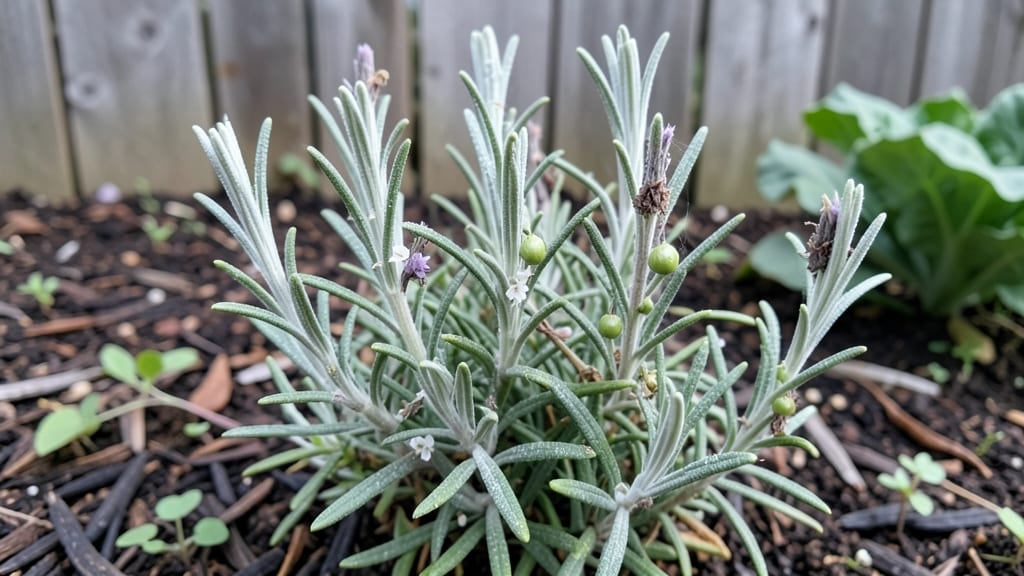
Rosemary plant pests like spider mites and whiteflies can turn your fragrant shrub into a skeleton of needles in weeks. 🌿 I’ve watched my own rosemary go from lush and aromatic to nearly bare because of tiny invaders, but I’ve also learned how to fight back without harsh chemicals.
The real culprits—aphids, spider mites, and scale—thrive in crowded, stressed plants. Proper spacing, regular pruning to improve airflow, and companion planting with lavender or marigolds can cut infestations by half before they even start.
The key is catching them early, when a simple spray of neem oil or insecticidal soap can save your plant.
You’ll see the difference within days: new growth pushing through, leaves staying vibrant, and that signature rosemary scent back in full force. No more wilting branches or sticky residue—just healthy, pest-free shrubs that keep producing all season.
Works for container-grown rosemary, in-ground plants, or even potted varieties on your patio. The same principles apply whether you’re dealing with a single plant or a whole herb garden. Let’s get those pests under control for good.
Root Causes Of Rosemary Pests
Rosemary’s fragrant foliage and woody stems make it a magnet for pests, but these problems rarely appear out of nowhere. Understanding the why behind infestations helps you address them before they spiral. Here’s a breakdown of the most common triggers:
Pests thrive where plants are weak. Overcrowding limits airflow, creating damp, shaded conditions that attract aphids, whiteflies, and spider mites. Stress from:
- Poor soil drainage – Waterlogged roots weaken defenses, inviting root-knot nematodes.
- Nutrient deficiencies – Yellowing leaves (chlorosis) signal nitrogen/iron shortages, making rosemary more vulnerable to scale insects.
- Improper pruning – Over-trimming stimulates soft new growth, a favorite snack for caterpillars and leaf miners.
💡 Pro Tip: Space plants 2–3 feet apart and prune in late winter/early spring to avoid stressing the plant during peak pest seasons.
Rosemary’s natural volatile oils (like camphor and 1,8-cineole) repel many pests—but these compounds weaken when:
- Plants are young – Seedlings lack the oil concentration to deter mealybugs or thrips.
- Soil lacks sulfur – Sulfur is crucial for producing pest-repellent compounds. Deficiencies leave rosemary susceptible to aphid colonies.
- Extreme heat/drought – Water stress reduces oil production, making plants more appealing to whiteflies.
✨ Actionable Fix: Amend soil with compost or a balanced organic fertilizer (10-10-10) to boost sulfur and overall health.
Pests don’t just find rosemary—they’re often drawn in by:
- Organic mulch buildup – Thick layers of wood chips or straw create hiding spots for earwigs and slugs, which then munch on tender new growth.
- Dead leaves/stems – Decaying plant matter attracts fungus gnats and their larvae, which chew roots.
- Adjacent infested plants – Pests like aphids hop from infected lavender or sage to rosemary via wind or touching leaves.
🔥 Prevention: Keep mulch 2–3 inches deep and clear fallen debris weekly. Isolate new rosemary plants for 2 weeks to monitor for hitchhikers.
Pests follow the calendar—and rosemary’s life cycle. Key patterns:
| Season | Pest Risk | Why It Happens |
|---|---|---|
| Spring (March–May) | Leaf miners, caterpillars | Warmth triggers egg-laying; new rosemary shoots are tender and high in sugars. |
| Summer (June–August) | Spider mites, whiteflies | Drought stress reduces oil production; mites thrive in hot, dry conditions. |
| Fall (September–November) | Root-knot nematodes, mealybugs | Cool, moist soil encourages nematode activity; mealybugs seek shelter in plant crevices. |
🎯 Strategy: Monitor rosemary weekly during peak seasons. Use yellow sticky traps in summer to catch whiteflies early.
Quick Fixes for Rosemary Pests
Rosemary’s hardy nature makes it a favorite in gardens, but pests like aphids, spider mites, whiteflies, and rosemary beetles can still wreak havoc. The good news? Most issues can be resolved with organic, plant-safe methods—no harsh chemicals needed.
Below, we’ll map the most common pests to their fixes, along with prevention tips to keep your rosemary thriving.
Signs: Sticky residue (honeydew), curled leaves, or fine webbing on undersides.
How to Treat Them
🔥 Blast Them Off Use a strong stream of water from your hose to dislodge aphids and mites. Do this in the early morning so the plant dries quickly—preventing fungal growth.
🍳 Soapy Water Spray Mix 1 tbsp mild castile soap or dish soap with 1 quart of water. Spray directly on infested areas, focusing on leaf undersides. Reapply every 3–5 days until gone.
👨🍳 Neem Oil Solution (Best for Stubborn Cases) Combine 1 tbsp neem oil, 1 tsp horticultural oil, and 1 tsp mild soap in 1 quart of water. Shake well and spray evenly (avoid direct sun exposure for 24 hours). Repeat weekly for 2–3 weeks.
✨ Prevention Tips
- Encourage natural predators: Ladybugs and lacewings love aphids—plant marigolds nearby to attract them.
- Prune regularly: Remove heavily infested leaves to stop the spread.
- Dusty leaves? Wipe them down with a damp cloth to deter mites.
Signs: Ragged leaf edges, chewed stems, or tiny black beetles crawling on foliage.
How to Treat Them
🔪 Handpick & Drop in Soap Water Check leaves daily, especially in the morning. Drop beetles into a soapy water bucket—they’ll drown instantly.
🥘 Diatomaceous Earth (DE) Barrier Sprinkle food-grade DE around the base of the plant and on leaves. It dehydrates beetles but is safe for plants (reapply after rain).
🌡️ Traps & Row Covers Place yellow sticky traps near rosemary to catch flying adults. For severe infestations, cover young plants with fine mesh netting.
🎯 Prevention Tips
- Rotate planting: Avoid planting rosemary in the same spot yearly—beetles overwinter in soil.
- Interplant with herbs: Basil and thyme repel rosemary beetles naturally.
- Avoid overwatering: Beetles thrive in damp soil—ensure well-draining conditions.
Signs: Tiny white moth-like insects fluttering when disturbed; sticky honeydew on leaves.
How to Treat Them
🕵️ Yellow Sticky Traps Hang yellow cards coated in petroleum jelly near the plant to trap adults.
💡 Insecticidal Soap or Neem Oil Spray neem oil (as above) or insecticidal soap every 5–7 days until they disappear.
🌿 Companion Planting Grow garlic or chives nearby—their scent repels whiteflies.
🔄 Prevention Tips
- Inspect new plants: Whiteflies spread quickly—quarantine new additions for 2 weeks.
- Encourage wasps: Parasitic wasps hunt whiteflies—let them do the work!
Want to keep pests away before they start? Follow this easy maintenance routine:
| Task | How Often | Why It Works |
|---|---|---|
| Prune dead leaves | Every 2–4 weeks | Removes hiding spots for pests |
| Water at base | Early morning | Prevents fungal issues from wet foliage |
| Inspect undersides | Weekly | Catches pests before they spread |
| Rotate crops | Every 2–3 years | Stops soil-borne pest buildup |
| Use mulch | Spring planting | Keeps soil moist but deters crawling pests |
Final Tip: 🌿 Healthy rosemary = pest-resistant rosemary! Ensure your plant gets full sun (6+ hours), well-draining soil, and occasional pruning to stay strong. Most pests target stressed plants—so keep yours happy, and they’ll keep their distance!
Frequently asked questions about rosemary pests
What are the most common pests that attack rosemary plants?
The top culprits include aphids, spider mites, whiteflies, rosemary beetles, and scale insects. These pests target stressed plants, especially during hot, dry conditions. Aphids and spider mites are the most frequent visitors, often leaving behind sticky residue or fine webbing.
How do I know if my rosemary has pests?
Look for these red flags: sticky honeydew on leaves (aphids), tiny webs between branches (spider mites), chewed leaf edges (beetles), or white cottony masses (mealybugs). Flip leaves over—pests love hiding on the undersides! Check regularly, especially after bringing new plants home.
Can I use neem oil on rosemary to treat pests?
Neem oil is one of the safest and most effective organic treatments. Mix 1 tablespoon neem oil, 1 teaspoon mild soap, and 1 quart of water, then spray thoroughly (avoid direct sun for 24 hours). Reapply weekly for 2-3 weeks
Why does my rosemary keep getting infested even after treatment?
Persistent infestations usually mean your rosemary is stressed—check for poor drainage, overcrowding, or nutrient deficiencies. Pests target weak plants! Improve airflow by pruning, ensure well-draining soil, and fertilize with compost or a balanced organic fertilizer. Also, isolate new plants for 2 weeks to prevent hitchhiking pests.
Are there any natural predators that help control rosemary pests?
Yes! Ladybugs, lacewings, and parasitic wasps are natural pest hunters. Plant marigolds or lavender nearby to attract these beneficial insects. Avoid pesticides—they kill both pests AND their predators. A healthy ecosystem does half the work for you!