Flowers
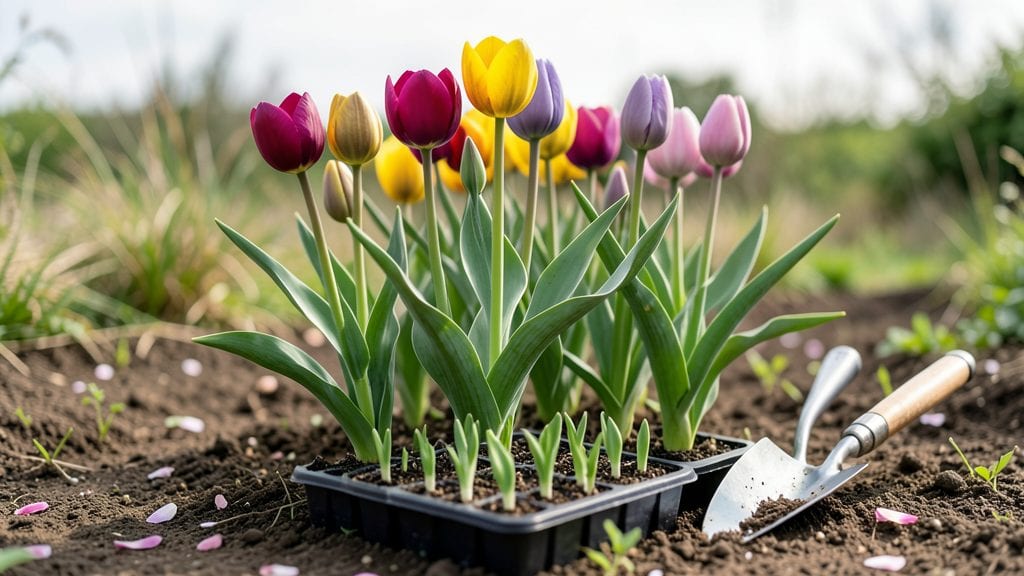
Mastering seasonal flower planting is the key to a garden that never stops blooming—timing isn’t just about seeds, but pairing each variety with its perfect moment. whether that’s the crisp air of spring or the last warm days of fall.
The difference between a patchy garden and one that bursts with color? Knowing when to plant.
Some flowers, like pansies and snapdragons, thrive in cool weather and can even handle light frosts, making them perfect for early spring or late fall. Others, such as zinnias and marigolds, crave the long, sunny days of summer and won’t perform well if planted too early.
I’ve found that adjusting for your hardiness zone—whether you’re in Zone 5 or Zone 9—makes all the difference in keeping plants happy and blooming reliably.
Once you get the timing right, the payoff is immediate: vibrant blooms that stretch from spring through frost, with minimal effort. The key is preparing the soil properly—adding compost for nutrients and ensuring good drainage—and then giving your flowers consistent watering and occasional deadheading to encourage more flowers.
You’ll end up with a garden that feels like a nonstop parade of color, no matter the season.
And don’t worry if you’re new to this—even a small adjustment, like planting cool-season flowers in early fall, can transform a lackluster garden into one that stays lively well into winter. Let’s break down the best flowers for each season and how to make them thrive in your space.
📚 In This Guide
- What you need
- Instructions
- Tips and common mistakes
- Wrapping up and next steps
What you need
- ● Seeds or seedlings: Choose seasonal varieties (e.g., tulips for spring, marigolds for summer, chrysanthemums for fall, pansies for winter). Start with 1–2 lbs of seeds or 6–12 plants per variety for a balanced look.
- ● Potting soil: 5–10 gallons of high-quality, well-draining soil (e.g., Miracle-Gro Potting Mix or Black Gold Natural & Organic).
- ● Containers or garden beds: Containers: 5–10 pots (6–12 inches in diameter) with drainage holes.
- ● Garden beds: A 4’x4’ plot (or larger, depending on your design).
- ● Fertilizer: Balanced, slow-release granules (e.g., 10-10-10 NPK ratio) or organic options like fish emulsion or compost.
- ● Watering can or hose: A 1–2 gallon watering can with a rose nozzle for precision.
- ● Hand trowel: A 6–8 inch stainless-steel or ergonomic trowel for planting.
- ● Gloves: 1 pair of durable gardening gloves to protect your hands.
- ● Mulch: 2–3 cubic feet of organic mulch (e.g., straw, pine bark, or shredded leaves) to retain moisture and suppress weeds.
- ● Plant markers: 10–20 labels (or DIY with popsicle sticks and a marker) to track varieties.
- ● Pruners: 1 pair of bypass pruners for trimming dead blooms or shaping plants.
- ● Sunlight meter: To check light conditions if you’re unsure about your garden’s exposure.
- ● Seasonal extension tools: For spring/fall: Row covers or cold frames to protect tender plants.
- ● For summer: Shade cloth (30–50% coverage) for heat-sensitive flowers.
Instructions for planting flowers by season
Here's how to create a vibrant, year-round display with minimal effort—just follow the seasonal cues.
Plan Your Seasonal Color Palette
Start by dividing your garden into four zones based on bloom times: early spring, late spring, summer, and fall. I like to sketch a simple layout where cool-season bloomers like pansies and violas take center stage in early spring, while sun-loving zinnias and marigolds shine in summer. This ensures continuous color without gaps.
Check your local frost dates—spring-blooming bulbs like tulips and daffodils need planting 6-8 weeks before the first frost, while tender annuals like petunias wait until after the last frost when soil warms to 55°F. Fall-planted bulbs like crocuses go in 6-8 weeks before the first hard frost for spring blooms.
Prepare Soil and Plant Early Spring Flowers
For spring bloomers, loosen the soil to 12 inches deep and mix in 2-3 inches of compost to feed roots as they wake up. Plant bulbs like tulips and hyacinths 6 inches deep and 4-6 inches apart, with the pointed end facing up. This ensures they get enough nutrients and space to multiply over time.
Top-dress with a 1-inch layer of mulch to insulate roots from freezing temperatures and retain moisture. Water deeply after planting so the soil settles around the bulbs. You'll see shoots emerge in 4-6 weeks, signaling it's time to add cool-season annuals like pansies and snapdragons around them.
Transition to Summer-Blooming Annuals
Once spring flowers fade, remove spent blooms and replace them with heat-loving annuals like zinnias, sunflowers, and cosmos. These thrive in full sun and well-draining soil, so amend with 1-2 inches of compost if your soil is heavy. Plant seeds ¼ inch deep and 6-12 inches apart, depending on the variety.
Water newly planted summer flowers deeply once a week to encourage strong root growth. Avoid overhead watering—it spreads disease. Instead, use a soaker hose or water at the base. You'll notice new leaves appearing in 7-10 days, and flowers will follow shortly after.
Extend the Season with Fall and Winter Interest
In late summer, add fall-blooming perennials like asters and chrysanthemums, which tolerate cooler temperatures. Plant them in partial shade if your climate gets hot, or in full sun if you're in a cooler zone. Mulch heavily (3-4 inches) to protect roots from early frosts.
For winter color, plant pansies, violas, and hellebores in well-draining soil and partial shade. These tough annuals bloom even in 32°F temperatures and add cheerful pops of color. Water sparingly—just enough to keep the soil from drying out completely.
Clean Up and Prepare for Next Season
After the first hard frost, cut back dead foliage from perennials but leave seed heads for winter interest. Compost any diseased plants immediately to prevent soil-borne issues next year. For bulbs like daffodils and tulips, leave the foliage until it yellows completely—this feeds the bulb for next year's blooms.
Take notes on what thrived and what struggled. Adjust your planting plan for next season—maybe swap out a struggling summer annual for something more drought-tolerant, or add more shade-loving plants if your garden gets too hot. With these simple steps, you'll have a garden that looks stunning all year long!
Tips & tricks for perfect seasonal flower planting
Creating a vibrant garden all year round takes a little strategy—here are my go-to tips to help you avoid common pitfalls and maximize your blooms.
Timing is Everything: Those 6-8 weeks before the first frost are critical for spring bulbs like tulips and daffodils. Use an online frost date calculator for your specific location—this ensures your bulbs establish roots before winter sets in. For fall planting, mark your calendar 6-8 weeks before your first hard frost to get those crocuses in the ground on time. I always double-check these dates because planting too early or late can ruin the whole season!
Soil Prep Secrets: When you're loosening soil to 12 inches deep in Step 2, don't just scratch the surface—really work that compost in thoroughly. I like to mix in a handful of bone meal for extra phosphorus, which helps bulbs establish strong roots. For summer annuals, consider adding perlite to improve drainage if your soil feels heavy. The key is getting that soil just right so your plants can focus on growing, not struggling.
Watering Wisdom: The deep watering after planting bulbs in Step 2 is crucial—it helps settle the soil and removes air pockets around the roots. For summer flowers, that weekly deep watering should be at the base, not overhead. I've found that watering in the early morning gives plants time to dry out during the day, which prevents fungal diseases that love damp foliage.
Seasonal Transitions Made Easy: When transitioning to summer bloomers in Step 3, don't be afraid to get creative with your spacing. Some plants like cosmos self-seed beautifully, so you can plant them a bit closer together. For winter interest plants, remember that pansies and violas are tough little survivors—they'll keep blooming even in 32°F temperatures, so don't be shy about planting them in late summer for that early winter pop of color.
Pro Tips for Seasonal Flower Planting
- Creating a vibrant garden all year round takes a little strategy—here are my go-to tips to help you avoid common pitfalls and maximize your blooms.
- Timing is Everything: Those 6-8 weeks before the first frost are critical for spring bulbs like tulips and daffodils.
- Soil Prep Secrets: When you're loosening soil to 12 inches deep in Step 2, don't just scratch the surface—really work that compost in thoroughly.
Frequently asked questions
Got questions about seasonal flower planting? You’re not alone! Here are some of the most common concerns—and their easy, actionable answers—to help you garden with confidence.
When is the best time to start planting seasonal flowers?
The ideal timing depends on your climate and flower type. Cool-season flowers (like pansies or snapdragons) thrive when planted in early spring or fall, while warm-season bloomers (such as marigolds or zinnias) love late spring or summer. Check your last frost date—most flowers need soil temps above 60°F (15°C) to germinate. Pro tip: Succession planting (staggering seeds every 2-3 weeks) ensures nonstop color!
Can I plant flowers year-round, or are there off-limits months?
While some flowers (like annuals) can be planted year-round in warm climates, cool-season blooms may struggle in summer heat. Avoid planting in peak winter (unless you’re in a mild zone) or during extreme heat waves, as seedlings can bolt or wilt. Perennials often need dormant periods—plant them in early spring or fall for best results.
What’s a budget-friendly way to get seasonal flowers without breaking the bank?
Skip nursery prices! Try these money-saving hacks:
- Seed swaps: Join local gardening groups or online forums (like Seed Savers Exchange) for free seeds.
- Cutting propagation: Grow new plants from clippings of herbs (like mint) or flowers (e.g., coleus).
- Dollar-store trays: Repurpose plastic containers as seed starters.
- Perennials over annuals: They return yearly (e.g., cone flowers or black-eyed Susans).
Why aren’t my seasonal flowers blooming? Troubleshooting tips!
Wilting blooms? Check these fixes:
Issue
Quick Fix
No flowers, just leaves
Over-fertilizing with nitrogen (use low-N, high-P fertilizer instead).
Dropping buds
Too much water or stress—adjust irrigation and mulch.
Leggy or weak stems
Not enough sunlight—move to a sunnier spot or thin crowded plants.
Pests chewing leaves
Spray with neem oil or introduce beneficial insects (like ladybugs).
What are the easiest seasonal flowers for beginners?
Start with these low-maintenance superstars:
- Marigolds: Pest-repelling, drought-tolerant, and bloom all summer.
- Zinnias: Vibrant colors, fast-growing, and attract butterflies.
- Sunflowers: Giant blooms with minimal care (great for cutting).
- Pansies: Hardy cool-season flowers that thrive in fall/winter.
- Nasturtiums: Edible, shade-tolerant, and self-seeding.
Wrapping up and next steps
Seasonal flower planting is all about harmony with nature—choosing the right varieties and timing ensures your garden blooms beautifully year-round! 🌸 Whether you’re a beginner or a seasoned gardener, the key is planning ahead and embracing the rhythm of each season.
Start small, experiment with colors, and don’t forget to enjoy the process—your garden will thank you with vibrant, thriving blooms.
Ready to take the next step? Sketch a simple planting calendar for your region, then pick one or two seasonal flowers to try this month. Happy gardening—your future garden will be bursting with color! 🌼