
Lawn
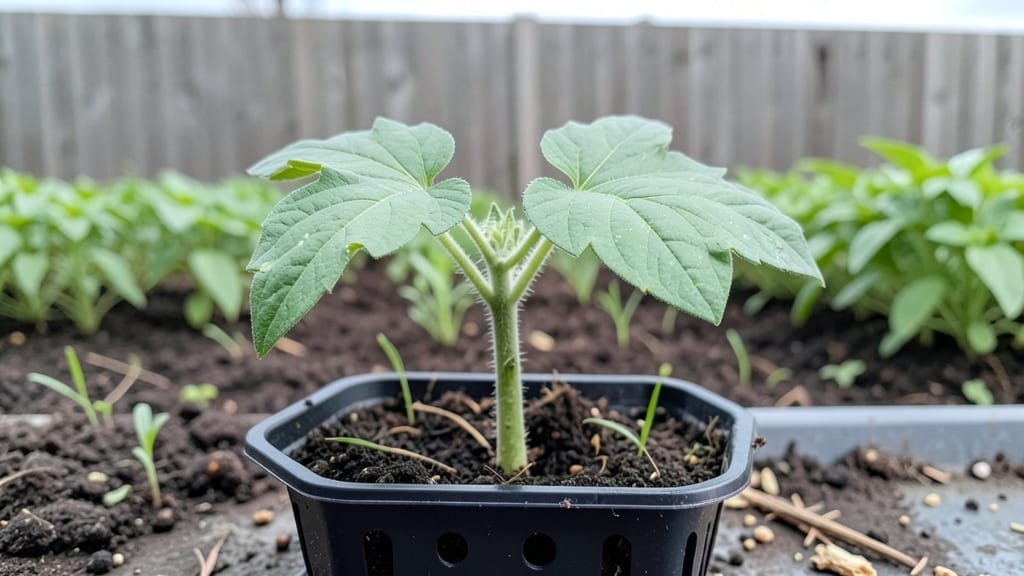
Seed planting definition refers to the process of placing seeds into soil or growing medium to initiate growth, typically involving proper depth, spacing, and environmental conditions. It’s the first step before germination begins, ensuring seeds have the right conditions to sprout into seedlings.
Seed planting sets the foundation for successful growth by creating the ideal environment for seeds to awaken and establish roots. 🌱 The right soil moisture, temperature, and light exposure make all the difference—think of it like preparing a cozy nest for a baby bird.
I’ve seen firsthand how even slight deviations, like planting too deep or using compacted soil, can stall the process entirely. This stage is all about precision, not just dumping seeds into the ground and hoping for the best.
What many gardeners overlook is that different seeds have unique needs—some thrive in full sun while others prefer shade, and depth requirements vary wildly. For example, tiny flower seeds need just a light dusting of soil, while large vegetable seeds might need an inch of coverage.
Understanding these nuances transforms planting from a guesswork game into a science-backed practice.
💡 In This Article
- Key Factors in Successful Seed Planting
- Seed Planting vs Germination: Critical Differences
Key factors in successful seed planting
Here's what actually happens when you plant seeds: the soil environment triggers biochemical reactions inside the seed that prepare it for germination. The right conditions—like moisture levels between 40-60%—activate enzymes that break down stored nutrients, while proper temperature ranges (55-85°F) ensure metabolic processes function optimally.
For instance, tomato seeds need 70-80°F to germinate, while lettuce thrives at 60-70°F. These ranges aren't arbitrary; they reflect each species' evolutionary adaptations to their native climates.
The planting depth creates a microclimate that affects oxygen availability and moisture retention. Tiny seeds like basil (1/8 inch deep) need minimal coverage to prevent suffocation, while larger seeds like beans (1-2 inches) require more protection from drying winds.
Too deep, and seedlings may exhaust their energy reserves struggling upward; too shallow, and they risk drying out. The rule of thumb is planting seeds at 2-3 times their width—this balance ensures roots can anchor while shoots reach light efficiently.
Proper spacing isn't just about preventing overcrowding—it's about creating an ecosystem where seedlings can access resources without competing. For example, carrots need 2-3 inches between plants to develop straight roots, while sunflowers can tolerate 12-24 inches apart.
Overcrowding leads to stunted growth as plants fight for sunlight and nutrients, while proper spacing improves air circulation, reducing disease risk. I've seen tomato plants yield 30% more fruit when spaced correctly versus cramped conditions.
Light exposure during early stages is often misunderstood—most seeds need darkness to germinate, but seedlings require light immediately after sprouting. This explains why some gardeners cover seeds with soil while others use growing trays with clear lids.
The transition occurs when the hypocotyl (seedling stem) emerges and turns toward light—a process called phototropism. For leafy greens like spinach, 12-16 hours of light daily after germination maximizes growth, while flowering plants may need 8-10 hours to trigger blooming.
Soil type plays a surprising role too. Sandy soils drain too quickly, while clay holds moisture but suffocates roots. The ideal medium—like loamy soil—balances drainage and water retention. Amending heavy clay with compost or perlite can improve aeration by 40% or more, creating optimal root zones.
For container gardening, a mix of 60% peat moss, 30% perlite, and 10% vermiculite mimics this ideal structure while preventing compaction.
What most people don't realize is that seed coating technology has revolutionized planting precision. Many commercial seeds now have polymer coatings that improve water absorption and disease resistance. These coatings can increase germination rates by 20-30% while allowing for more consistent depth placement.
For home gardeners, this means you can plant seeds more densely without risking uneven sprouting.