
Advice
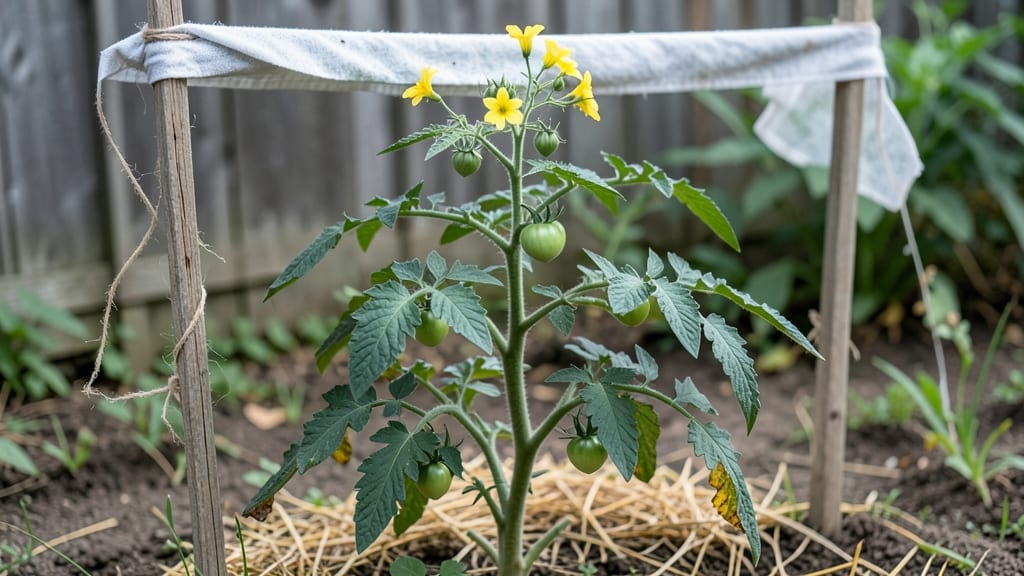
Cover tomato plants when nighttime temperatures dip below 50°F (10°C)—that’s the moment your 🍅 vines go from thriving to vulnerable.
Tomatoes are delicate plants that can suffer irreversible damage if exposed to unexpected frost—knowing exactly when to cover them is the difference between a thriving harvest and a wasted season.
In USDA Zone 6a, like where I garden, that usually means late April for seedlings and early October for mature plants. But timing isn’t one-size-fits-all—your local frost dates, plant age, and even the weather forecast play a role.
Below, I’ll walk you through the exact windows to protect your plants, the best covers to use, and how to avoid common mistakes that leave tomatoes struggling—or worse, dead.
Frost protection timeline: when to cover tomato plants by USDA Zone
Tomatoes thrive in warmth but are extremely frost-sensitive. A single night below 32°F (0°C) can kill seedlings instantly, while mature plants may survive 28°F (-2°C) with protection.
The key to saving your tomato harvest lies in understanding your USDA zone and acting at the right moment—too early or late, and you risk stunted growth or disease.
I’ve learned this the hard way: one year, my heirloom tomatoes in Zone 6b suffered blackened leaves after a late-May frost because I waited too long to cover them.
Since then, I’ve tracked local frost dates religiously and built a 30-day buffer into my frost protection plan. Here’s how you can do the same, tailored to your zone.
🌱
| USDA Zone | Avg. Last Spring Frost | Seedling Cover Window | Mature Plant Cover Window | Critical Action Month |
|---|---|---|---|---|
| 3-4 | May 15 | Cover seedlings immediately after transplanting (late April) | Cover when night temps < 40°F (4°C) (early Oct) | April & October |
| 5 | May 1 | Cover seedlings if unexpected frost (late April) | Cover at 35°F (2°C) (mid-Oct) | April & October |
| 6 | April 15 | Cover seedlings after April 1 (30-day buffer) | Cover at 32°F (0°C) (late Sept) | April & September |
| 7 | March 31 | Rarely needed; monitor weekly forecasts | Cover at 30°F (-1°C) (Nov) | March & November |
| 8 | February 15 | Almost never needed; use row covers for heatwaves | Cover at 28°F (-2°C) (Dec) | February & December |
| 9-10 | January 1 | Use covers for extreme cold snaps only | Cover at 25°F (-4°C) (Jan) | January |
| 11-12 | None | Grow in containers for mobility | Move indoors if temps drop below 50°F (10°C) | Year-round |
| 4a | May 22 | Cover seedlings until May 15 (45-day buffer) | Cover at 38°F (3°C) (early Oct) | April & October |
| 4b | May 10 | Cover seedlings until May 1 (30-day buffer) | Cover at 36°F (2°C) (mid-Oct) | April & October |
| 8a | March 1 | Use covers for
Best frost protection methods: covering tomato plants effectivelyProtecting your tomato plants from frost isn't just about throwing a blanket over them—timing and materials matter just as much. I’ve learned the hard way that using the wrong cover can trap moisture, stifle growth, or even invite pests. The key is choosing breathable materials and applying them at the right moment to shield your plants without harming them. Frost damage can happen in a single night, especially when temperatures dip below 32°F (0°C). Young seedlings are most vulnerable, but mature plants with fruit can also suffer irreversible damage. The best protection methods balance warmth, airflow, and ease of use. Let’s explore the most effective options—plus what to avoid at all costs. When to Cover Tomato Plants for Frost ProtectionSeedlings (1-3 weeks old)Cover when: Nighttime temps drop to 45°F (7°C) or lower. Why: Young roots and stems can’t handle cold stress. Best method: Floating row covers or lightweight blankets. Mature Plants (with fruit)Cover when: Forecasted temps hit 35°F (2°C) or below. Why: Fruit can develop chilling injuries even without frost. Best method: Cloches or heavyweight row covers. Critical Frost WatchCover when: Frost is predicted (check local alerts). Why: Prevention is easier than damage control. Best method: Old sheets/blankets (if no other options). Pro Tip: Always remove covers by 10 AM on sunny days to avoid overheating. One of my favorite methods is using floating row covers. They’re lightweight, reusable, and allow sunlight and water to penetrate while blocking wind and frost. I’ve used them for seedlings in Zone 5, and they’ve saved countless plants during late spring frosts. The downside? They can reduce light slightly, so I remove them during the day if the weather warms up. For mature plants, especially those bearing fruit, I rely on cloches. These glass or plastic domes trap heat effectively and protect against wind chill. However, they’re pricier and harder to scale for large gardens. I’ve found that combining cloches with mulching (using straw or leaves) adds an extra layer of insulation without breaking the bank. Avoid using plastic sheets directly on plants—they trap moisture and can cause fungal diseases like blight. Heavy fabrics, like thick towels, might seem like a good idea, but they block too much light and airflow. Instead, opt for lightweight, breathable fabrics like old bedsheets or frost blankets. If you’re on a budget, even a cardboard box (with holes for airflow) can work in a pinch for individual plants. Timing is everything. I’ve learned to monitor the 10-day forecast and cover my plants the night before a frost warning. In my garden, I stake my tomatoes early to create space for covers, and I always secure them with bricks or clips to prevent wind damage. The goal is to protect without smothering—your tomatoes need to thrive, not just survive. Remember, the best frost protection is a combination of preparation, the right materials, and attentive care. Whether you’re using row covers, cloches, or blankets, always prioritize airflow and sunlight. With the right approach, you can extend your growing season and enjoy a bountiful tomato harvest—even when Mother Nature throws a cold snap your way. 🌱 |