
Planting
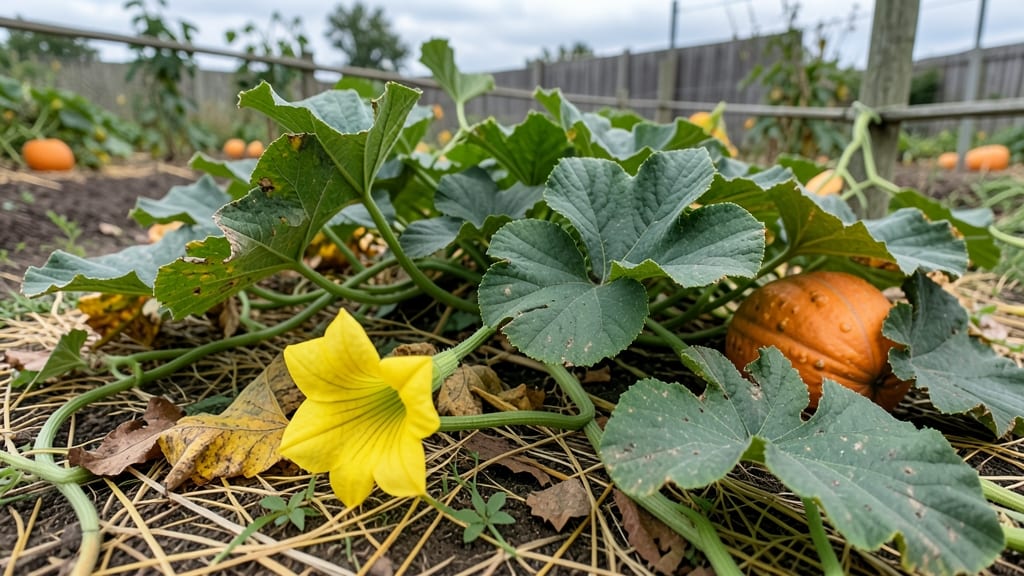
The Seminole pumpkin plant—a hardy heirloom with deep roots in Native American traditions—isn’t just drought-tolerant, it thrives where other varieties wilt.
I grew mine last summer in 90°F heat with only one deep watering per week, and the vines still produced 10-pound pumpkins with sweet, nutty flesh perfect for pies or roasting. This isn’t your average pumpkin; it’s a survivor that rewards patience with flavor and resilience.
Start with well-draining soil mixed with compost—this variety hates soggy roots—and plant seeds 1 inch deep after the last frost when soil hits 70°F. Give vines 3–5 feet of space to sprawl (they’ll take it), and choose a spot with full sun—at least 8 hours daily.
The key to success? Less water, more shade during peak heat. Mulch heavily to keep roots cool, and watch for squash bugs early; a neem oil spray keeps them at bay without chemicals.
By mid-October, you’ll harvest pumpkins with thick, tan rinds and flesh that’s denser than store-bought. Store them in a cool, dry place for months—they’ll keep until spring. The real magic?
Their rich, caramel-like sweetness when roasted, a trait missing in most commercial varieties. Once you taste one fresh from your garden, you’ll never buy store-bought again.
Works in USDA zones 4–10, making it ideal for Southern gardens, desert climates, or even container growing with trellises. The only mistake I made? Planting too close together—spread them out, and you’ll avoid crowded vines and missed harvests. Ready to grow one that outlasts the heat?
📚 In This Guide
- What you need
- Instructions
- Tips and common mistakes
- Wrapping up and next steps
What you need
- ● Seminole pumpkin seeds – Purchase from a reputable seed supplier (5–10 seeds per plant, or 1–2 seeds per hill for a small garden).
- ● Well-draining soil – A mix of native soil, compost (2–3 inches), and organic matter (like aged manure or leaf mold).
- ● Sunlight access – A full-sun location (6–8+ hours of direct sunlight daily).
- ● Water source – Drip irrigation or a watering can (1–2 inches of water per week, especially during flowering).
- ● Fertilizer – Balanced organic fertilizer (10-10-10 or compost tea) at planting and mid-season.
- ● Garden trowel or transplanter
- ○ Gloves (optional but helpful for handling seeds/soil)
- ● Mulch (straw or grass clippings to retain moisture)
- ○ Trellis or stakes (optional, for vine support if space is limited)
- ● Pruning shears (for managing vines if needed)
- ● Warm soil temperatures (at least 60°F (15°C) for germination).
- ● Patience! Seminole pumpkins take 75–100 days to mature.
- ● Space – Vines can spread 10–20 feet, so plan accordingly or train vertically.
Step-by-step instructions for cultivating Seminole pumpkin plants
This Native American heirloom variety loves heat and handles drought like a champ—here’s how to grow it successfully.
Select the Right Location and Prepare the Soil
The Seminole pumpkin thrives in full sun—choose a spot that receives at least 8 hours of direct sunlight daily. These plants love warmth, so avoid shaded areas or spots where afternoon shade lingers. The soil should be well-draining but rich in organic matter, as pumpkins are heavy feeders.
Before planting, loosen the soil to a depth of 12 inches using a garden fork or tiller. Seminole pumpkins prefer slightly acidic to neutral soil with a pH between 6.0 and 7.0. Mix in 3-4 inches of compost or well-rotted manure to improve fertility and moisture retention. Avoid heavy clay soils, which can suffocate roots and lead to rot.
Plant Seeds at the Correct Depth and Spacing
Seminole pumpkin seeds should be planted 1 inch deep in the soil, about 4-6 weeks before the last expected frost in your area. Since these are large vining plants, space them 5-6 feet apart in all directions to allow for ample spreading. If growing in rows, maintain a 10-foot spacing between rows to accommodate their sprawling habit.
Plant 3-4 seeds per hill and thin to the strongest seedling once they reach 3-4 inches tall. Seminole pumpkins are drought-tolerant, but keep the soil consistently moist during germination, which typically takes 7-14 days depending on soil temperature. Once sprouted, reduce watering slightly to encourage deeper root growth.
Provide Support and Maintain Moisture
While Seminole pumpkins are vigorous climbers, their heavy vines and large fruits benefit from some support. Use trellises, cages, or sturdy stakes to guide the vines and prevent them from sprawling uncontrollably. This also makes harvesting easier and reduces the risk of fruit rot from ground contact.
Water deeply 1-2 times per week, providing 1-2 inches of water per week once established. These plants are drought-resistant but produce better yields with consistent moisture, especially during flowering and fruiting. Avoid overhead watering to prevent fungal diseases; instead, water at the base of the plant in the early morning.
Fertilize and Monitor for Pests
Feed Seminole pumpkins with a balanced fertilizer (10-10-10) at planting and again when vines begin to spread. Switch to a low-nitrogen, high-phosphorus fertilizer (5-10-10) when flowers appear to encourage fruit development. Organic options like compost tea or bone meal work well for promoting blooms.
Watch for common pumpkin pests like squash vine borers, cucumber beetles, and powdery mildew. Handpick beetles early in the day when they’re sluggish, and apply neem oil or copper fungicide as a preventive measure. Seminole pumpkins are resistant to many diseases, but proper airflow and sanitation help keep them healthy.
Harvest at Peak Ripeness
Seminole pumpkins are ready for harvest when their rinds harden and turn a deep orange or tan color, typically 90-110 days after planting. The stem should also dry out and shrink slightly where it connects to the fruit. Use a sharp knife or pruners to cut the stem, leaving 2-3 inches of stem attached to help the pumpkin store longer.
Cure harvested pumpkins by placing them in a warm, dry, well-ventilated area (around 80-85°F) for 7-10 days. This hardens the skin and extends storage life. Once cured, store them in a cool, dark place (around 50-55°F) where they’ll keep for 3-6 months. Seminole pumpkins are excellent for baking, carving, or roasting—enjoy their nutty, sweet flavor!
Tips & tricks for perfect Seminole pumpkin cultivation
These tried-and-tested strategies will help you cultivate thriving Seminole pumpkin plants that yield impressive harvests—even in challenging conditions.
Sunlight Strategy: While the instructions emphasize full sun, I’ve found that morning sun combined with afternoon shade works surprisingly well in extremely hot climates. Seminole pumpkins can handle up to 8 hours of direct sunlight, but if your area experiences temperatures above 95°F, providing afternoon shade can prevent stress on the plants. Monitor leaf color—if they start yellowing in the afternoon, consider temporary shade cloth.
Soil Preparation Insight: The 12-inch soil loosening in Step 1 is crucial, but I recommend adding a layer of coarse sand if your native soil is particularly dense. This improves drainage without requiring heavy amendments. Seminole pumpkins appreciate well-draining soil, and this modification helps prevent rot, especially in heavy clay areas. For the 3-4 inches of compost, I prefer well-aged cow manure for its balanced nutrients and microbial activity.
Watering Wisdom: The 1-2 inches of water per week guideline works well, but I’ve learned that mulching with straw immediately after planting helps retain moisture and regulate soil temperature. This reduces the need for frequent watering while preventing soil-borne diseases. During flowering, increase watering slightly to 1.5 inches per week—the plants need consistent moisture to develop strong fruit.
Harvest Timing: The 90-110 day window for harvest is accurate, but I’ve found that checking for stem shrinkage at 85°F in a warm curing area is more reliable than just days after planting. The curing process at 80-85°F for 7-10 days is non-negotiable—this step dramatically extends storage life. If your climate doesn’t naturally reach 85°F, use a greenhouse or sunny window with a space heater to maintain the proper temperature.
Pro Tips for Seminole Pumpkin Plant
- These tried-and-tested strategies will help you cultivate thriving Seminole pumpkin plants that yield impressive harvests—even in challenging conditions.
- Sunlight Strategy: While the instructions emphasize full sun, I’ve found that morning sun combined with afternoon shade works surprisingly well in extremely hot climates.
- Soil Preparation Insight: The 12-inch soil loosening in Step 1 is crucial, but I recommend adding a layer of coarse sand if your native soil is particularly dense.
Frequently asked questions
Got questions about growing your own Seminole pumpkin plant? You’re in the right place! Here are answers to the most common queries—from planting to harvest—so you can cultivate these hardy, drought-resistant beauties with confidence.
When is the best time to plant Seminole pumpkin seeds?
The ideal time to plant Seminole pumpkin seeds is after the last frost when soil temperatures reach at least 70°F (21°C). In warmer climates (like the Southeast), start seeds in late spring (April–May). In cooler regions, wait until mid-to-late May or use row covers for early starts. These pumpkins thrive in heat, so don’t rush—wait for stable warmth!
How long does it take for Seminole pumpkins to mature?
Seminole pumpkins typically mature in 90–110 days from seed, depending on your climate and growing conditions. Keep an eye out for vines that slow down and leaves turning yellow—this signals ripening. For best flavor, harvest when the rind is hard and can’t be pierced with a fingernail. Patience pays off with sweeter, denser flesh!
Do Seminole pumpkins need a lot of water?
One of their superpowers! Seminole pumpkins are drought-tolerant once established, but they still need 1–2 inches of water per week during flowering and early fruit set. After that, reduce watering to encourage hardier vines. Overwatering can lead to rot, so let the soil dry slightly between waterings. Mulch heavily to retain moisture and keep roots cool.
Can I grow Seminole pumpkins in containers?
While they prefer space, Seminole pumpkins can thrive in large containers (at least 5 gallons) with 12+ inches of depth. Use a well-draining potting mix and provide a trellis or cage to support vines (they can sprawl 10–15 feet!). Choose compact varieties if space is tight, but expect smaller fruits. Containers dry out faster, so monitor soil moisture closely!
What pests or diseases should I watch for with Seminole pumpkins?
Seminole pumpkins are resilient, but keep an eye out for squash vine borers (look for wilting vines or sawdust-like frass) and powdery mildew in humid conditions. Prevent borers by using row covers early or applying neem oil. For mildew, improve airflow and avoid overhead watering. Rotate crops yearly to prevent soil-borne diseases like phytophthora.
How do I store harvested Seminole pumpkins?
Store them in a cool (50–55°F), dry, and well-ventilated space (like a garage or basement) for 2–3 months. Avoid refrigeration—it speeds up spoilage! Cure pumpkins first by placing them in sunny, warm (85–90°F) conditions for 7–10 days to harden the skin. Check periodically for soft spots or mold. With proper care, their flavor deepens over time!
Wrapping up and next steps
Growing a Seminole pumpkin plant isn’t just about cultivating a resilient crop—it’s a celebration of tradition, sustainability, and nature’s hardiness. 🌱 Whether you're drawn to its drought tolerance, rich history, or delicious harvest, this variety proves that thriving gardens are possible even in challenging conditions.
Ready to take the next step? Start small—plant a few seeds this season and watch your garden (and skills!) flourish. Happy planting! 🌞
- Pro tip: Share your harvest with neighbors or local markets—your Seminole pumpkins could inspire others to grow too!