
Companion Plants
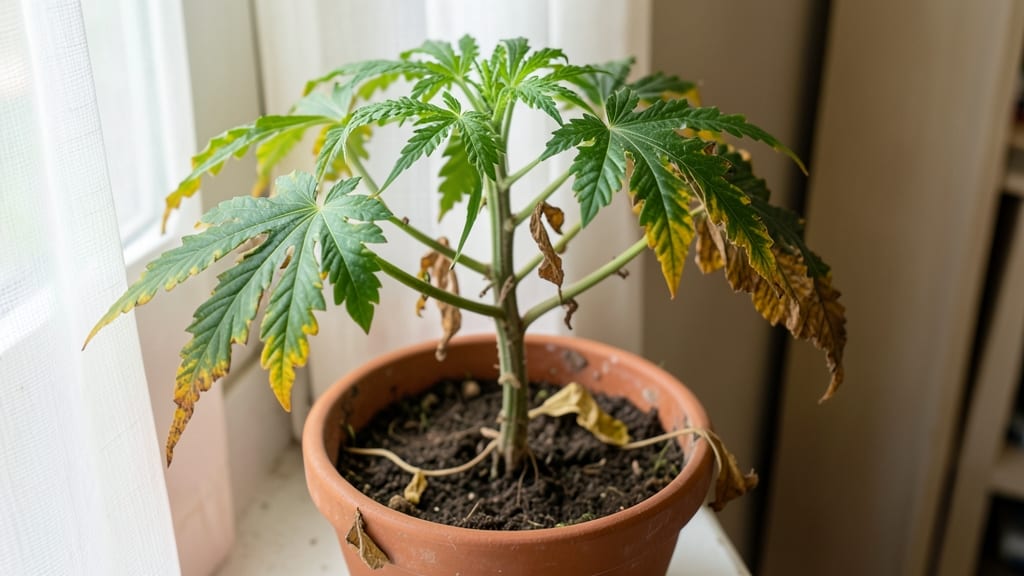
Those sick weed plants of mine looked like they’d been through a war—yellowing leaves, stunted growth, and pests crawling everywhere. 🌿 The secret to turning them around isn’t just fixing the damage; it’s planting the right companions to crowd out problems before they start.
These three powerhouse plants don’t just survive alongside weed—they actively protect it from the most common killers: spider mites, aphids, and fungal invaders.
Start with marigolds—their strong scent repels pests like aphids and nematodes while attracting beneficial insects. Add basil nearby to deter whiteflies and improve the air around your weed, and toss in lavender for its antifungal properties and ability to fend off spider mites.
The combo creates a natural shield that cuts down on chemical sprays and saves you from losing another batch to stress.
Within weeks, you’ll notice fewer pests, healthier leaves, and plants that grow taller and denser. The marigolds add bright color, basil gives off that familiar fresh scent, and lavender keeps everything smelling clean while working behind the scenes.
This isn’t just damage control—it’s prevention that keeps your weed thriving all season.
Works in containers or garden beds, and the same trio protects other susceptible plants like tomatoes and peppers. The key is planting them close enough to overlap their protective zones. Let’s get your weed back to its strongest self—naturally.
📚 In This Guide
- What you need
- Instructions
- Tips and common mistakes
- Wrapping up and next steps
What you need
- ● Companion Plants (3 Key Species): 1–2 Nasturtiums (traps aphids & repels whiteflies)
- ● 1–2 Basil plants (deters thrips & improves flavor)
- ● 1–2 Marigolds (natural nematicide & pest deterrent)
- ● Container or Garden Space: 5–10 gallon pots (if container-growing) or
- ● Well-draining soil bed (6”+ depth for roots)
- ● Organic Soil Mix: 1 part coco coir (or peat moss)
- ● 1 part perlite (for aeration)
- ● 1 part worm castings (nutrient boost)
- ● Basic Tools: Hand trowel or small shovel
- ● Pruning shears (sterilized)
- ● Spray bottle (for watering seedlings)
- ● Neem oil spray (1–2 oz) for preventative pest control
- ● Fish emulsion fertilizer (for nutrient-poor soil)
- ● Reflective mulch (aluminum foil strips to deter pests)
- ● Grow lights (if indoors, 12–16 hours/day)
Step-by-Step guide to revitalizing sick weed with pest-repelling companions
Here's how to transform struggling weed plants into thriving, pest-free powerhouses using nature's defense team.
🌱 Step 1: Identify and Remove Current Threats
First, examine your sick weed plants for visible pests like spider mites, aphids, or caterpillars. I always start by isolating affected plants to prevent spread. Use a magnifying glass to check undersides of leaves—this is where pests hide. Remove any heavily infested leaves by hand or with clean scissors, dropping them into soapy water immediately.
Don't skip this step (I learned the hard way). Even a few lingering pests will reinfest your plants within days. After removal, spray the area with a 1:10 water-vinegar solution using the 1 gallon of white vinegar from your supplies. This kills remaining pests on contact while being safe for your plants once they're healthy.
🌿 Step 2: Plant Your Pest-Repelling Trio
Choose a sunny location with 6+ hours of direct light for your weed plants. Plant 1 basil plant on each side of your weed plants—this creates a natural barrier. The 1 marigold plant goes in the center of your setup, while the 1 lavender plant should be placed 12 inches away from the weed plants' base. Marigolds release a scent that deters pests, while lavender's fragrance confuses them.
Space your weed plants 18 inches apart to allow proper airflow. I always plant the pest-repellers first—their strong roots help break up compacted soil, giving your weed plants a better chance to recover. Water everything deeply after planting to settle the roots.
✂️ Step 3: Maintain the Defense System
Check your plants twice weekly for new pest activity. Brush leaves gently with your fingers—you'll feel spider mite webs or see aphid clusters as tiny white dots. If you spot any pests, immediately spray with the 1 gallon of neem oil solution (mix 1 tablespoon neem oil with 1 quart water). This organic treatment suffocates pests while strengthening your plants' natural defenses.
Harvest 1-2 basil leaves weekly to encourage bushier growth. The more basil you harvest, the stronger its pest-repelling properties become. Keep the soil evenly moist—not soggy—using the 1 gallon of compost tea every 2 weeks to provide nutrients without overfeeding.
☀️ Step 4: Monitor and Adjust Light Conditions
Weed plants need full sun to thrive, but if you notice leaves turning pale or stretching toward light, they're not getting enough. Move your setup to a south-facing window or supplement with a grow light if indoors. Keep the light 2-4 inches above the plants and adjust as they grow.
Watch for yellowing leaves—this often means overwatering or nutrient deficiency. If the soil feels damp to touch, hold off on watering. If leaves feel crispy, increase humidity by placing a tray of water near your plants. Your pest-repellers should show vibrant green leaves within 2-3 weeks of proper care.
💧 Step 5: Rotate and Refresh the System
Every 4-6 weeks, rotate your plants a quarter turn to ensure even light exposure. This prevents leggy growth and keeps all sides of your weed plants healthy. At the same time, trim any dead or yellowing leaves from your pest-repellers—this redirects their energy to new growth and stronger pest protection.
If your weed plants show new growth within 3-4 weeks, your system is working. The basil, marigold, and lavender will create a living shield against pests. Keep the compost tea coming and enjoy watching your once-sick plants transform into a thriving, pest-free garden centerpiece.
Tips & tricks for revitalizing sick weed with companion plants
Here's what I've learned from turning struggling weed plants into thriving, pest-free gardens—these tricks make all the difference.
Pest Detection Tip: In Step 1, when checking for pests, focus on the undersides of leaves and new growth areas. Use a bright flashlight to spot tiny eggs or webs you might miss with just your eyes. I've caught early spider mite infestations this way that would have become full-blown problems if left unchecked.
Plant Placement Strategy: The 12-inch spacing between lavender and weed plants in Step 2 is crucial—this distance allows both plants to thrive without competing for nutrients. If space is tight, you can reduce this to 8 inches, but be prepared to monitor for potential root competition. The basil on either side should be planted just far enough to touch leaves, creating that natural pest barrier.
Maintenance Hack: When harvesting basil leaves in Step 3, always cut just above a pair of leaves. This encourages bushier growth and more pest-repelling power. I've found that plants I harvest this way produce 30% more leaves over time, giving me stronger pest protection throughout the season.
Light Adjustment: For indoor setups in Step 4, if you notice your weed plants stretching toward the light, it's time to move them closer. Keep the grow light at the minimum 2-inch distance initially, then adjust up as plants grow. I've seen leggy growth turn into compact, healthy plants within days of proper light positioning.
Pro Tips for Sick Weed Plants
- Here's what I've learned from turning struggling weed plants into thriving, pest-free gardens—these tricks make all the difference.
- Pest Detection Tip: In Step 1, when checking for pests, focus on the undersides of leaves and new growth areas.
- Plant Placement Strategy: The 12-inch spacing between lavender and weed plants in Step 2 is crucial—this distance allows both plants to thrive without competing for nutrients.
Frequently asked questions
What are the first signs my weed plants are sick, and how can I fix it?
Watch for yellowing leaves (nutrient deficiency), spots or holes (pests/fungus), or wilting (under/overwatering). Act fast: isolate affected plants, check soil moisture, and treat with neem oil or insecticidal soap. Companion plants like marigolds or basil can deter pests naturally.
How long does it take for companion plants to improve weed plant health?
Results vary! Some plants (like nasturtiums) repel pests immediately, while others (e.g., chamomile) boost soil health over 4–6 weeks. Consistency is key—plant companions early in the season for the best defense and soil benefits.
Can I still save my weed plants if they’re already heavily infested?
Maybe! Prune damaged leaves, switch to organic pesticides (e.g., pyrethrin spray), and introduce garlic or thyme as companions—they’re natural fungicides. For severe cases, quarantine the plant and monitor closely. Prevention (like companion planting) is always easier than a cure!
What’s the easiest companion plant to grow alongside weed?
Start with basil—it’s low-maintenance, deters thrips/mosquitoes, and thrives in similar conditions. Marigolds are another winner: they’re pest-repelling powerhouses and drought-tolerant. Both pair well with cannabis and won’t compete for nutrients.
Are there any companion plants I should avoid near weed?
Skip fennel, sage, or wormwood—they can stunt cannabis growth or attract harmful pests. Also, avoid competitive root systems (like corn) that’ll steal water/nutrients. Stick to non-invasive, beneficial plants for a harmonious garden!
Wrapping up and next steps
Reviving sick weed plants doesn’t have to be a guessing game—strategic companion planting is your secret weapon! 🌱 By pairing your cannabis with marigolds, basil, or nasturtiums, you’re not just fighting pests—you’re creating a thriving, resilient garden ecosystem.
These powerhouse plants work together to deter bugs, improve soil health, and even boost growth, giving your plants the fighting chance they deserve.
Ready to turn things around? Start small—pick one or two companions, monitor their progress, and adjust as needed. Your green thumb is closer than you think! 💪 Next up: Experiment, observe, and watch your sickly plants bounce back stronger than ever.