
Pests
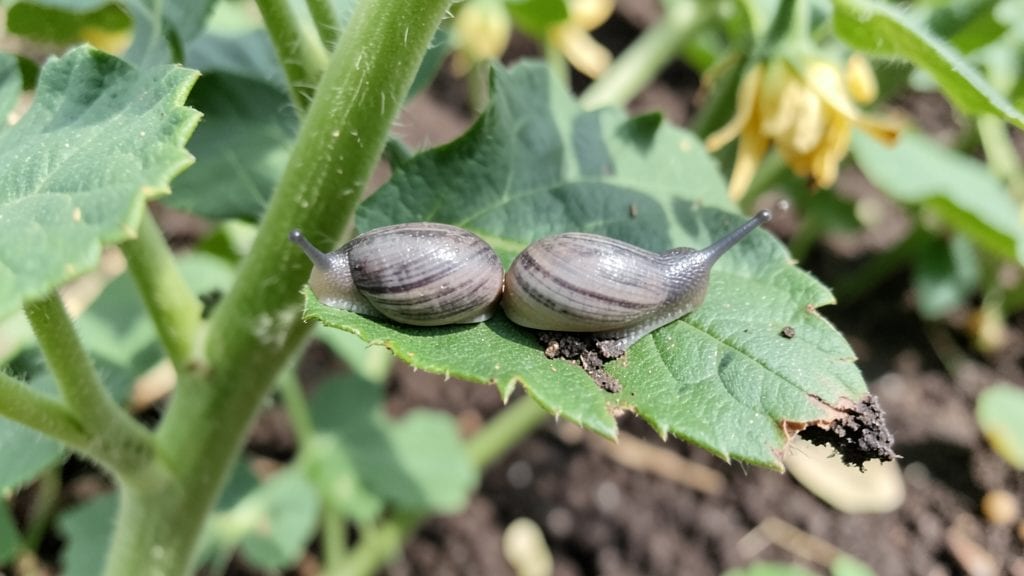
Slugs on tomato plants can turn your harvest into a chewed-up mess overnight. 🌱 I’ve lost entire tomato plants to these slimy pests, but a simple beer trap barrier changed everything—it’s the one trick I now use every season to protect my plants.
The problem starts small: tiny holes in leaves or stems, then whole fruits disappearing. These slugs thrive in moist, shady spots, especially after rain. My beer trap works because slugs are drawn to the yeast but drown in the liquid—no chemicals, just biology.
You’ll need a shallow container, beer (or even wine), and a few minutes to set it up at dusk.
Within days, you’ll see fewer slime trails on your plants, and your tomatoes will stay intact. The trap doesn’t just catch slugs—it deters them from returning.
For extra protection, add a copper tape barrier around containers or raised beds, which gives their little bodies a mild shock when they crawl over it.
This method works for backyard gardens, raised beds, and even container setups. The best part? It’s completely safe for your soil, pets, and the rest of your garden ecosystem. Once you try it, you’ll wonder why you didn’t do this sooner.
Why it happens
Slugs don’t just wander onto your tomato plants by accident—they’re drawn by a perfect storm of environmental cues, plant chemistry, and even human habits. Understanding these triggers is the first step to outsmarting them before they turn your harvest into a slimy snack.
Here’s why your garden becomes their all-you-can-eat buffet:
🌱 Moisture Magnet: Slugs Love Damp Conditions
Slugs are 80-90% water by weight, meaning they thrive in humid, damp environments. Your tomato plants create the ideal setup when:
- Overwatering: Heavy irrigation or poor drainage keeps soil soggy, creating a slug highway. Actionable fix: Water deeply but infrequently (early morning is best) and ensure raised beds or containers have drainage holes.
- Morning Dew: Slugs emerge at dusk and night when dew forms, turning leaves into slip ‘n’ slide trails. Actionable fix: Use drip irrigation or soaker hoses to avoid wetting foliage.
- Shady Spots: Slugs avoid direct sunlight (it dries them out). Actionable fix: Prune nearby plants to improve airflow and sunlight penetration around tomato stems.
🍅 Chemical Cocktails: Tomatoes Are Slug Sushi
Tomato plants produce compounds that attract slugs, especially when stressed or damaged. Here’s the science:
- Volatile Organic Compounds (VOCs): Healthy tomato leaves emit green leaf volatiles, which signal to slugs that food is nearby. Actionable fix: Remove fallen leaves or fruit immediately—they’re slug GPS beacons.
- Damaged Tissue: Once slugs start feeding, they release enzymes that break down plant cells, creating a fermentation-like smell that calls more slugs. Actionable fix: Inspect plants daily and handpick slugs (yes, it works!).
- Overripe Fruit: Soft, rotting tomatoes release sugars and acids that slugs can’t resist. Actionable fix: Harvest tomatoes promptly and compost them far from your garden.
🌿 Habitat Highways: Your Garden’s Slug Superhighways
Slugs don’t random-walk—they follow predictable routes created by garden layout and debris. Common culprits:
| Problem | Actionable Fix | |
|---|---|---|
| Mulch Mountains | Thick mulch retains moisture and provides hiding spots. Slugs use it like a moat around your plants. | Use straw or pine needles (less slug-friendly than wood chips) and keep mulch 2–3 inches away from stems. |
| Weedy Borders | Weeds offer shelter and food for slugs during the day. They “scout” from weeds to your tomatoes. | Remove weeds within 12 inches of tomato plants and replace with slug-resistant ground covers like thyme or clover. |
| Wooden Structures | Fence posts, trellises, and even old logs create microclimates where slugs hide and breed. | Replace wood with metal or plastic near tomato beds. If you must use wood, treat it with borax or copper-based preservatives (slugs hate copper!). |
🌙 Nighttime Raids: Slugs’ Built-In Alarm Clock
Slugs are nocturnal for survival—they avoid birds, lizards, and heat. Their feeding peaks align with:
- Humidity Spikes: After dark, humidity rises, keeping slugs hydrated and active. Actionable fix: Install a motion-activated light (like a solar-powered floodlight) to disrupt their feeding rhythm.
- Temperature Drops: Ideal slug temps are 50–70°F (10–21°C). Actionable fix: Use row covers at dusk to block access without smothering plants.
- Moonlight: Studies show slugs are more active on bright nights (full moon = more damage). Actionable fix: Plant tall, dense crops (like corn) near tomatoes to create shade.
🚫 Human Errors: How You’re Unknowingly Feeding Slugs
Even the best gardeners accidentally create slug paradises. Common mistakes:
- Compost Piles Near Tomatoes: While compost is great, it’s also a slug nursery. Actionable fix: Keep compost 50+ feet away or use a metal mesh barrier around the pile.
- Fertilizer Overload: Too much nitrogen makes tomato leaves softer and more palatable. Actionable fix: Switch to slow-release, balanced fertilizers (e.g., 10-10-10) and avoid fresh manure.
- Ignoring Early Signs: Slime trails or small holes often go unnoticed until 50% of your fruit is gone. Actionable fix: Do a “slug patrol” at dusk with a flashlight—spot them before they spot your tomatoes!
Quick Fixes for Slug Damage
Now that you know why slugs are feasting on your tomato plants, it’s time to take action! The good news? Many solutions are simple, cost-effective, and can drastically reduce slug activity—sometimes even overnight.
Below, we’ve mapped the most common causes of slug infestations to their best fixes, along with prevention tips to keep your tomatoes thriving.
Slugs love damp, shaded areas where they can hide and thrive. If your tomato plants are in a low-lying or overly moist spot, they’re basically rolling out the welcome mat.
🔥 Fix It:
- 👨🍳 Raise Planting Beds: Use containers, raised beds, or even wooden pallets to elevate your tomatoes. Slugs hate climbing, and this trick can cut their access in half.
- 🥘 Improve Drainage: Amend heavy clay soil with compost or sand to help water drain faster. A well-draining bed is less appealing to slugs.
- ☀️ Add Sunlight: If possible, move plants to a sunnier location. Slugs prefer cool, damp conditions, and direct sunlight discourages them.
💡 Prevention Tip: Water in the morning so soil dries out faster. Avoid overhead watering, which keeps foliage damp—slugs’ dream snack bar!
A thick layer of mulch or leaf litter creates the perfect slug hideout. If your garden looks like a cozy slug hotel, it’s time for a cleanup.
🍳 Fix It:
- 🔪 Remove Mulch Around Plants: Pull back mulch from the base of tomato plants, especially at night. Slugs hide in it during the day.
- 🌡️ Switch to Slug-Resistant Mulch: Use coarse materials like gravel, pine straw, or straw (not fine wood chips). Slugs struggle to navigate rough textures.
- 🎯 Clear Debris: Rake up fallen leaves, weeds, and plant debris. Slugs use these as shelter—eliminate the hiding spots!
💡 Prevention Tip: Keep mulch at least 6 inches away from plant stems. This creates a dry barrier slugs won’t cross.
Slugs thrive when their predators (birds, frogs, ground beetles) are scarce. If your garden lacks wildlife, slugs will multiply unchecked.
⏰ Fix It:
- 🐦 Attract Predators: Install a birdbath, add a small pond, or plant native flowers to lure beneficial insects and amphibians.
- 🔥 Use Beer Traps (Yes, Really!): Bury a shallow container filled with beer near plants. Slugs are drawn to the yeast and drown—no chemicals needed!
- 🌙 Handpick at Night: Grab a flashlight and a bucket of soapy water. Slugs come out to feed after dark—squish or relocate them (but not into your garden!).
💡 Prevention Tip: Plant marigolds, garlic, or thyme near tomatoes. Their strong scents repel slugs naturally.
Slugs target tender new growth because it’s easy to eat. If your seedlings are struggling, they’re prime slug buffet material.
🔪 Fix It:
- 🍳 Protect Seedlings: Cover young plants with row covers, plastic bottles (cut in half), or even coffee cans with the bottom removed.
- 🥘 Use Copper Barriers: Slugs hate copper! Wrap copper tape around containers or plant bases—it gives them a mild electric shock when they crawl over it.
- 🌡️ Strengthen Plants: Harden off seedlings gradually and choose disease-resistant tomato varieties. Healthier plants bounce back faster from slug nibbles.
💡 Prevention Tip: Start seeds indoors and transplant only when plants are sturdy (at least 2-3 inches tall). Slugs are less likely to attack larger, tougher foliage.
If slugs are still winning, you might need a stronger approach—but let’s prioritize non-toxic methods first.
🔥 Natural Repellents:
- 🌿 Eggshells or Diatomaceous Earth: Crush eggshells or sprinkle food-grade diatomaceous earth around plants. The sharp edges irritate slugs’ skin.
- 🍳 Coffee Grounds: Sprinkle used coffee grounds near plants. The caffeine disrupts slugs’ slime trails.
- 🌙 Salt Barrier: Create a ring of salt around plants (reapply after rain). Note: This can harm soil over time, so use sparingly.
⚠️ Chemical Options (Last Resort):
- 🔪 Iron Phosphate Baits: Products like Sluggo are pet-safe and break down in soil. Place baits near slug hotspots at dusk.
- 🥘 Organic Sprays: Neem oil or garlic spray can deter slugs when applied to foliage (reapply after rain).
💡 Prevention Tip: Rotate methods to prevent slugs from adapting. Combine barriers (copper + beer traps) for best results.
🎯 Final Pro Tip: Monitor and Act Fast! Check your garden at dusk or after rain—slugs are most active then. Early intervention saves your tomatoes and reduces long-term damage. With these fixes, you’ll have slug-free, thriving plants in no time! 🍅✨
Frequently asked questions
Why do slugs target tomato plants more than other vegetables?
Tomato plants emit natural chemical signals that attract slugs, especially when stressed or damaged. Their tender leaves and sweet fruit create a perfect buffet. Slugs also thrive in the moist, shaded conditions often found around tomato plants, making them prime targets. The combination of water, shelter, and food makes tomatoes irresistible to these pests.
How quickly can slugs destroy a tomato plant?
Slugs can cause visible damage within just 24 hours if left unchecked. They’ll chew through leaves, stems, and fruit, leaving behind telltale slime trails and irregular holes. A single night of unchecked activity can reduce a plant’s vigor by 30-50%, while severe infestations can defoliate plants completely in a week. Early intervention is key to saving your harvest!
Are beer traps safe for pets and children?
Yes, beer traps are completely safe when used properly. The alcohol in beer attracts slugs, but it won’t harm pets or children. Just ensure containers are buried or secured so curious pets can’t drink the beer. For extra safety, use non-alcoholic beer or wine—slugs are just as attracted to the yeast and will still drown in the liquid.
Can I use coffee grounds to repel slugs around tomato plants?
Coffee grounds are an excellent natural slug deterrent. The caffeine disrupts their slime trails and creates an unpleasant environment. Sprinkle used grounds around plant bases, especially near stems. Reapply after rain or watering, as the effects wear off over time. Bonus: Coffee grounds also improve soil health by adding nitrogen and acidity.
What’s the best time of day to check for slugs on tomato plants?
The best times are dusk and night, when slugs are most active. Use a flashlight to spot their slime trails or the pests themselves. Early morning checks can also reveal damage from overnight feeding. For maximum effectiveness, combine nighttime patrols with setting up traps (like beer containers) before dark.