Pests
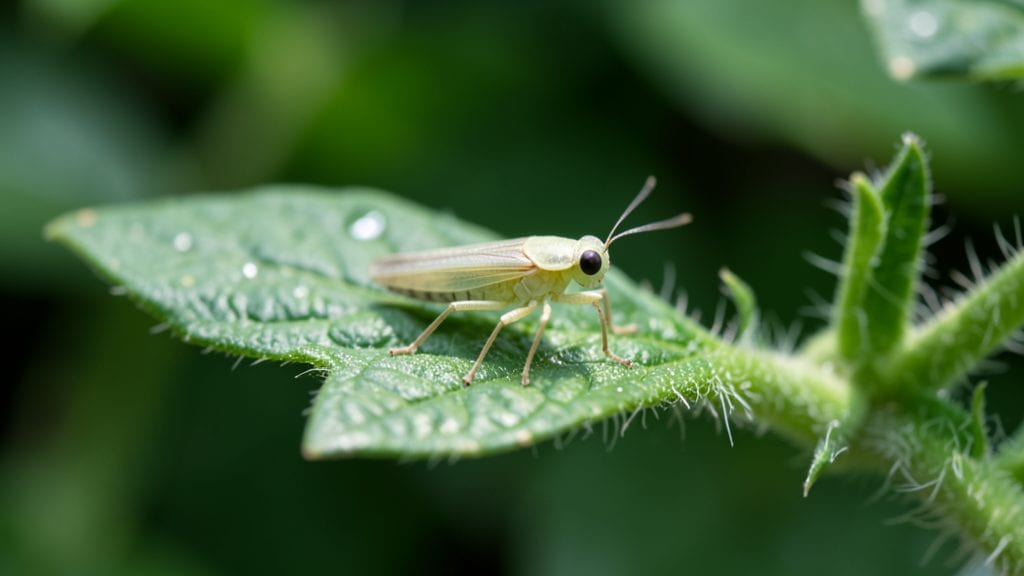
Spotting small bugs on tomato plants might panic you—but don’t worry, these tiny invaders are beatable with the right moves. ✨ I’ve fought aphids, spider mites, and whiteflies on my own tomatoes, and the key is catching them early before they turn your plants into a buffet.
These little invaders multiply faster than weeds in spring, but with the right moves, you can clear them out in days, not weeks.
The first step is identifying your pests—aphids cluster on new growth, spider mites leave fine webbing, and whiteflies flutter when you shake the plant. Most gardeners panic and reach for harsh chemicals, but that’s overkill.
Instead, I’ve found that a strong spray of water, neem oil, or even homemade soapy water (1 tablespoon dish soap per gallon) knocks them out without harming your tomatoes. The trick is consistency: repeat treatments every 3-5 days until they’re gone.
By the time you’re done, your plants will look refreshed and start focusing on fruit instead of fighting pests. You’ll see fewer sticky leaves, more vigorous growth, and—most importantly—tomatoes that stay healthy enough to ripen on the vine.
The best part? These methods work whether you’re dealing with a single plant or your entire garden.
Prevention is where it gets even easier. Row covers in early spring, companion planting with basil or marigolds, and regular inspections keep bugs from moving in. Once you’ve dealt with an infestation, these simple habits make next season almost worry-free. Let’s get those tomatoes back on track!
Root Causes of Tiny Tomato Plant Invaders
Those pesky small bugs on your tomato plants aren’t just random visitors—they’re drawn by specific conditions that turn your garden into an all-you-can-eat buffet. Understanding why they show up is the first step to kicking them out for good. Let’s break down the science behind their uninvited party.
Tomato plants under stress—whether from poor spacing, nutrient deficiencies, or disease—emit signals that attract pests. Why? Healthy plants produce natural chemical defenses (like volatile organic compounds) that repel bugs. But when plants are struggling, those defenses weaken, making them easier targets.
- Overcrowding: Too many plants competing for sunlight, water, and nutrients create shaded, humid microclimates—perfect breeding grounds for soft-bodied pests like aphids and whiteflies.
- Nutrient Deficiencies: A lack of nitrogen (yellowing leaves) or phosphorus (purple stems) stresses plants, making them more attractive to sap-sucking insects.
- Disease Pressure: Fungal or bacterial infections (e.g., early blight) create entry points for pests like spider mites, which thrive on damaged tissue.
Actionable Fix: Prune plants for airflow, space them 18–24 inches apart, and fertilize with a balanced 10-10-10 or compost tea to boost resilience.
Pests love damp conditions—especially those that thrive in high humidity or standing water. Why? Moisture slows down beneficial predators (like ladybugs) and creates ideal environments for:
- Fungal Gnats: Their larvae hatch in soggy soil, while adults lay eggs in moist mulch or leaf litter.
- Whiteflies: They cluster on the undersides of leaves when humidity exceeds 70%, as their wings become sticky and less effective.
- Slugs/Snails: These nocturnal munchers are drawn to waterlogged soil and decaying organic matter.
Actionable Fix:
- Water at the base early in the day to reduce leaf wetness.
- Use drip irrigation or soaker hoses to avoid overhead spraying.
- Add coarse sand or perlite to heavy clay soil to improve drainage.
Leaf litter, fallen fruit, and thick mulch layers aren’t just garden clutter—they’re pest hideouts and food sources. Why? Many bugs, like:
- Thrips: Hide in dried plant material and emerge to feed on new growth.
- Earwigs: Thrive in damp, dark mulch, then crawl onto plants at night to chew leaves.
- Fungal Gnats: Lay eggs in decaying organic matter near plant roots.
Actionable Fix:
- Clear debris weekly from under plants and around the base.
- Use thin mulch (1–2 inches) made of straw or shredded leaves—avoid wood chips, which retain too much moisture.
- Rotate crops annually to disrupt pest life cycles.
Some pests aren’t the original invaders—they’re secondary problems caused by disrupting the garden’s natural balance. For example:
- Spider Mites: Explode in numbers when their natural predators (like mites or lacewings) are wiped out by broad-spectrum pesticides.
- Aphids: Boom after ants (which “farm” aphids for honeydew) are encouraged by overwatering or sugary plant sap.
Actionable Fix:
- Avoid chemical sprays—opt for neem oil or insecticidal soap, which target pests without harming predators.
- Plant companion flowers like marigolds or dill to attract ladybugs and parasitic wasps.
- Disrupt ant trails with diatomaceous earth or sticky barriers.
Temperature and weather patterns directly influence pest populations. For instance:
| Pest | Trigger | Why It Happens |
|---|---|---|
| Whiteflies | Hot, dry spells | Drought-stressed plants release more sugars, attracting whiteflies. |
| Fungal Gnats | Cool, wet springs | Larvae thrive in consistently moist soil above 60°F. |
| Hornworms | Warm nights | They’re nocturnal and feed aggressively when temperatures stay above 75°F. |
Actionable Fix:
- Monitor weather forecasts and cover seedlings with row fabric during high-risk periods (e.g., fungal gnat season).
- Use reflective mulch (like aluminum foil) to deter whiteflies in hot climates.
- Handpick hornworms at dusk when they’re most active.
Quick Fixes for Garden Pests
Tiny invaders on your tomato plants? Don’t panic—these practical, step-by-step solutions will help you reclaim your garden without harsh chemicals. Below, we’ve matched common culprits to their fixes, so you can act fast and keep your tomatoes thriving.
Signs: Clusters of tiny green, black, or white bugs on stems/leaves, sticky residue (honeydew), curled leaves.
How to Eliminate Them:
- 💦 Blast Them Away
- Spray aphids directly with a strong stream of water from a hose. Repeat every 2–3 days until gone.
- Pro tip: Do this in the early morning so plants dry quickly (prevents fungal growth).
- 🍳 Soap Spray (Gentle & Effective)
- Mix 1 tsp mild dish soap + 1 quart water in a spray bottle. Test on a small leaf first.
- Spray undersides of leaves (where aphids hide) and stems. Reapply after rain.
- 👨🍳 Introduce Predators
- Ladybugs, lacewings, and parasitic wasps love aphids. Buy them online or attract them with dill or fennel plants nearby.
Prevent Future Outbreaks:
- 🌡️ Encourage airflow by pruning crowded foliage.
- ✨ Plant marigolds nearby—their scent repels aphids.
Signs: Tiny white moth-like bugs fluttering when you disturb leaves; yellowing leaves, sticky residue.
How to Trap & Trap Them:
- 🕯️ Yellow Sticky Traps
- Hang yellow cards coated with petroleum jelly near plants. Whiteflies are drawn to yellow and get stuck.
- Pro tip: Place traps above the plants to catch adults before they lay eggs.
- 🔪 Neem Oil Spray (Knocks Them Out)
- Mix 1 tbsp neem oil + 1 tsp soap + 1 quart water. Spray evenly on all leaf surfaces (including undersides).
- Apply in the evening to avoid harming bees.
- 🌿 Beneficial Nematodes
- Soil-dwelling nematodes (Steinernema feltiae) target whitefly larvae. Apply at dusk with a watering can.
Prevent Return Visits:
- 🎯 Remove infected leaves immediately and dispose of them in a sealed bag.
- 💡 Avoid over-fertilizing—whiteflies thrive on soft, nitrogen-rich growth.
Signs: Fine webbing on leaves, bronzed or speckled yellowing, tiny moving dots (use a magnifying glass!).
How to Smother Them:
- 🌊 Water Blast (Their Kryptonite)
- Spider mites hate humidity. Give plants a gentle shower daily during dry spells.
- Pro tip: Use a spray nozzle to dislodge eggs from webbing.
- 🥘 Homemade Oil Spray
- Combine 1 cup vegetable oil + 1 tsp soap + 1 gallon water. Shake well and spray thoroughly.
- Reapply every 5–7 days until mites disappear.
- 🐝 Predatory Mites Release
- Phytoseiulus persimilis (a mite-eating mite) can be ordered online. They multiply fast!
Stop Them Before They Start:
- 🌿 Keep plants hydrated—drought stress attracts mites.
- 🔥 Prune regularly to improve airflow and reduce hiding spots.
Signs: Tiny black flies hovering over soil; traps of larvae in moist potting mix.
How to Evict Them:
- 💡 Let the Soil Dry Out
- Fungal gnats love dampness. Water only when the top inch of soil is dry.
- Pro tip: Use terracotta pots—they dry faster than plastic.
- 🕯️ Apple Cider Vinegar Trap
- Fill a shallow dish with apple cider vinegar + a drop of dish soap. Adults will drown in it.
- Place traps near infected plants.
- 🌱 Hydrogen Peroxide Soil Drench
- Mix 1 tbsp 3% hydrogen peroxide + 1 cup water. Pour into the soil to kill larvae.
- Caution: Don’t overdo it—use once every 2 weeks max.
Prevent a Comeback:
- ✨ Use coarse sand in potting mix to improve drainage.
- 🎯 Avoid over-fertilizing—gnats are drawn to decaying organic matter.
- 🌡️ Inspect plants weekly—catch infestations early!
- 🍃 Rotate crops yearly to disrupt pest life cycles.
- 🌱 Plant companion crops like basil, garlic, or onions to repel bugs naturally.
- 🔥 Clean up debris—pests hide in old leaves and stems.
Final Note: Most small bugs can be eliminated without chemicals if you act quickly. Start with water, soap, or traps, then escalate to predators or oils if needed. Your tomato plants will thank you with juicy, pest-free harvests! 🍅✨
Frequently asked questions
What are the most common small bugs found on tomato plants?
The usual suspects include aphids (tiny green/black clusters), whiteflies (tiny white moths that flutter when disturbed), spider mites (almost invisible but leave webbing), and fungal gnats (small black flies hovering near soil). Hornworms (green caterpillars) also show up but are easier to spot due to their size.
How do I tell if my tomato plants have a bug problem?
Watch for sticky residue (honeydew from aphids/whiteflies), webbing (spider mites), chewed leaves (hornworms), or yellowing leaves. Shake plants over a white sheet—tiny bugs or eggs will reveal themselves. Early signs include curled leaves or slow growth.
Are these small bugs harmful to my tomato harvest?
Yes! Sap-suckers like aphids and whiteflies weaken plants, while spider mites cause leaf damage. Hornworms devour fruit, and fungal gnats stress roots. Left unchecked, they reduce yields and invite diseases like mold. Act fast—most infestations are manageable with simple fixes.
Can I use store-bought pesticides on tomato plants?
Some are safe, but organic options work just as well. Avoid neonicotinoids (harmful to bees) and opt for neem oil, insecticidal soap, or pyrethrin-based sprays (derived from chrysanthemums). Always follow label instructions and apply in the evening to protect pollinators.
How often should I check my tomato plants for bugs?
Inspect plants weekly during growing season, focusing on leaf undersides and stems. After rain or when introducing new plants, check every 3–4 days. Early detection saves your harvest—most pests spread rapidly! Set a reminder if needed.