Diseases
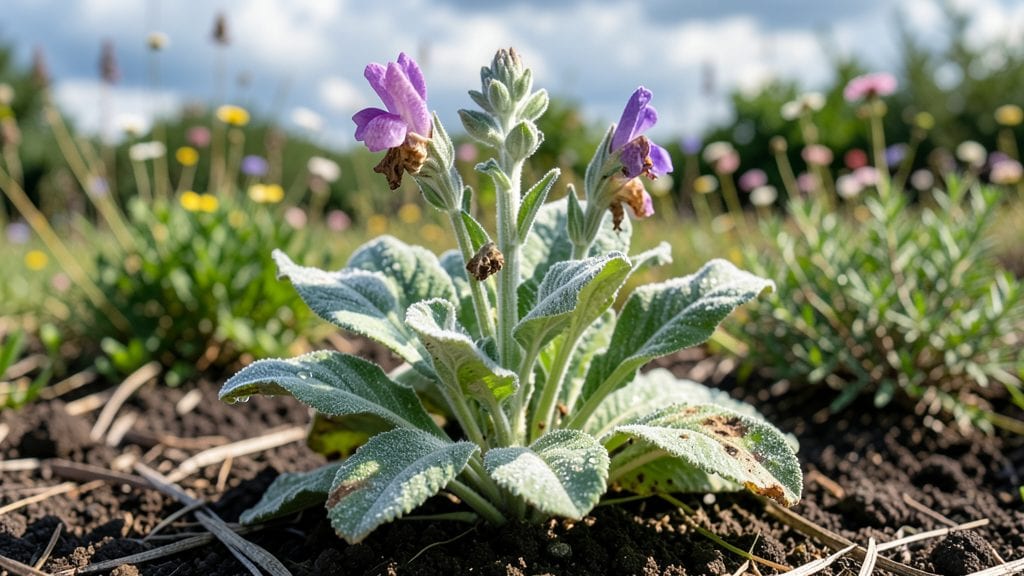
Snapdragon plant diseases can turn your vibrant garden into a sad, spotted mess if you don’t catch them early. 🌿 I’ve seen powdery mildew turn those velvety blooms into ghostly white webs, and botrytis blight rot stems faster than you can say "dead flowers."
The good news? Most issues start with visible clues—if you know what to look for, you can save your snapdragons before they’re history.
Powdery mildew leaves a chalky residue on leaves, while botrytis blight causes dark, mushy spots that spread like ink in water. Bacterial spot? Tiny yellow dots that turn brown and crunchy. The causes?
Too much shade, crowded plants, or water splashing on foliage—classic gardening mistakes that turn deadly for snapdragons. But here’s the thing: fixing them isn’t rocket science if you act fast.
Start by pruning infected leaves (sterilize your shears!) and spacing plants wider to improve airflow. For powdery mildew, a mix of baking soda and water sprays works wonders—just test on a few leaves first.
Botrytis blight? Copper fungicide is your best bet, but organic gardeners swear by neem oil. Prevention is easier: water at the base, not overhead, and deadhead spent blooms to keep energy flowing upward.
Even experienced gardeners panic when their snapdragons sicken, but this is where you gain the upper hand. With the right tools and a little vigilance, you’ll turn those sad-looking plants into thriving, disease-free stars again.
Let’s get your snapdragons back to their showstopping best—before next season’s blooms even think about fading.
Root Causes of Snapdragon Ailments
Snapdragon plants (Antirrhinum majus) are stunning additions to gardens, but they’re not immune to disease. Understanding why these issues arise is the first step to prevention and treatment.
Below, we break down the key factors—from environmental stressors to pathogen behavior—that turn your healthy snapdragons into a battleground for fungi, bacteria, and pests.
Snapdragons thrive in moderate spacing, but when plants grow too close together, humidity lingers, and airflow stalls. This creates the perfect breeding ground for fungal diseases like powdery mildew (Erysiphe cichoracearum) and downy mildew (Peronospora antirrhini).
- Why it happens:
- Stagnant air traps moisture on leaves, giving fungal spores a foothold.
- High humidity (above 70%) accelerates spore germination.
- Shaded or dense foliage blocks sunlight, weakening plants and making them susceptible to stress-related diseases.
- Actionable fix:
- Space snapdragons 12–18 inches apart to allow airflow.
- Prune overgrown leaves to improve circulation.
- Avoid overhead watering—use drip irrigation or water at the base.
Snapdragons prefer cool to moderate climates (60–75°F), but sudden temperature swings—especially cold nights followed by warm days—stress plants and weaken their defenses. This opens doors for bacterial and fungal invaders.
- Why it happens:
- Cold stress disrupts cell membranes, making plants more vulnerable to Pseudomonas syringae (bacterial leaf spot).
- Frost damage creates entry points for pathogens.
- Heat stress (above 85°F) causes sunscald, which cracks leaves, inviting infections.
- Actionable fix:
- Mulch around the base to regulate soil temperature.
- Use row covers in early spring or late fall to protect from frost.
- Avoid planting in full sun in hot climates—opt for partial shade in peak summer.
Snapdragons hate soggy roots. While they need consistent moisture, poor drainage or excessive watering leads to root rot (Phytophthora spp.) and foliar diseases like gray mold (Botrytis cinerea).
- Why it happens:
- Waterlogged soil cuts off oxygen to roots, causing anaerobic conditions that encourage fungal growth.
- Frequent overhead watering keeps leaves damp, promoting Botrytis spores.
- Clay or compacted soil prevents drainage, trapping excess moisture.
- Actionable fix: - Test soil drainage—dig a hole, fill it with water, and time how long it takes to drain.
Ideal: 4–6 hours. - Amend soil with perlite or compost to improve aeration. - Water deeply but infrequently—aim for 1 inch per week, adjusting for rain.
Pests like aphids, spider mites, and slugs don’t just feed on snapdragons—they injure plants, creating wounds where pathogens can enter. For example, aphid saliva can transmit viral diseases like tomato spotted wilt virus (TSWV).
- Why it happens:
- Pest feeding disrupts the cuticle layer, making plants prone to secondary infections.
- Slime trails (from slugs) introduce bacteria like Xanthomonas.
- Mite infestations reduce chlorophyll production, weakening the plant’s immune response.
- Actionable fix:
- Inspect plants weekly for early signs of pests (sticky residue, webbing, chewed leaves).
- Use neem oil or insecticidal soap for soft-bodied pests.
- Set up beer traps for slugs or use diatomaceous earth as a barrier.
Snapdragons need balanced nutrients, but deficiencies or excesses—especially too much nitrogen—can make them soft and susceptible to disease.
- Why it happens:
- Excess nitrogen promotes lush, weak growth that’s prone to fungal infections.
- Potassium deficiency weakens cell walls, making plants more vulnerable to root rot.
- Magnesium deficiency (yellowing between veins) reduces photosynthesis, stressing the plant.
- Actionable fix:
- Test soil pH (ideal: 6.0–7.0)—adjust with lime (to raise) or sulfur (to lower).
- Use a balanced fertilizer (e.g., 10-10-10) and avoid over-fertilizing.
- Add compost for slow-release nutrients and improved soil structure.
Pathogens hitchhike on dirty pruners, gloves, or even reused potting soil. If you’ve had infected snapdragons before, residual spores in the environment can reinfect new plants.
- Why it happens:
- Unsterilized tools spread Botrytis or Phytophthora from plant to plant.
- Infected compost or soil introduces dormant spores that reactivate when conditions are right.
- Cross-contamination from other diseased plants in the garden.
- Actionable fix:
- Sterilize tools with 70% isopropyl alcohol or a 10% bleach solution between uses.
- Avoid planting snapdragons in the same spot year after year—rotate crops every 2–3 years.
- Pasteurize soil by baking it in the oven at 200°F for 30 minutes (for potting mixes).
Fixing Snapdragon Ailments Step-by-Step
Now that you’ve identified the issue plaguing your snapdragons, it’s time to roll up your sleeves and restore their vibrant health! The good news? Most common snapdragon diseases and pests respond well to targeted care—when acted upon early.
Below, we’ve mapped out practical, step-by-step solutions for each problem, along with preventive measures to keep your plants thriving long-term.
🔥 Cause: Fungal spores thriving in humid, crowded conditions. 🍳 Fix It:
- Prune infected leaves (🔪) – Use sterilized scissors to snip away heavily powdered foliage. Do not compost these clippings—dispose of them in the trash.
- Cleanse the plant (🧼) – Mix 1 tsp baking soda + 1 quart water + a drop of dish soap. Spray this solution on both leaf surfaces in the early morning (when humidity is lower).
- Improve airflow (🌬️) – Space plants 12–18 inches apart and avoid overhead watering. If growing in containers, ensure pots have drainage holes.
- Fungal spray boost (💡) – For severe cases, apply neem oil (1 tbsp per quart of water) or a copper fungicide (follow label instructions). Reapply every 7–10 days until symptoms fade.
✨ Prevention Tip:
- Water at the base (💧) and avoid wetting leaves.
- Rotate plants occasionally to ensure even sunlight exposure.
- Plant resistant varieties like ‘Matrix’ or ‘Apache’ snapdragons, which tolerate humidity better.
🔥 Cause: Orange pustules on undersides of leaves, caused by Puccinia fungi. 🍳 Fix It:
- Remove infected leaves immediately (🚫) – Rust spreads rapidly, so isolate the plant and trim affected foliage.
- Apply sulfur or copper fungicide (🛡️) – Follow package directions for wettable sulfur (1–2 tbsp per gallon of water) or a fixed copper spray. Reapply every 2 weeks.
- Disinfect tools and surfaces (🧽) – Clean pruners with rubbing alcohol and sanitize pots with a 10% bleach solution (1 part bleach to 9 parts water).
- Boost plant resilience (💪) – Ensure snapdragons get 6–8 hours of sunlight daily and well-draining soil (amend with compost if needed).
✨ Prevention Tip:
- Avoid overhead irrigation—use drip systems or soaker hoses.
- Rotate crops—don’t plant snapdragons in the same spot year after year.
- Encourage beneficial insects (🐞) like ladybugs, which prey on fungal spores.
🔥 Cause: Tiny pests sucking sap, leading to curled leaves and webbing. 🍳 Fix It:
- Blast them off (💦) – Spray plants with a strong stream of water to dislodge aphids. Repeat daily for 3–5 days.
- Introduce natural predators (🐞) – Release ladybugs, lacewings, or parasitic wasps (available at garden centers).
- Neem oil treatment (🌿) – Mix 2 tsp neem oil + 1 tsp mild soap per quart of water. Spray every 5–7 days until pests vanish.
- Sticky traps (🎯) – Place yellow sticky cards near plants to monitor and catch mites.
✨ Prevention Tip:
- Inspect new plants (🔍) before bringing them indoors or into the garden.
- Use reflective mulch (🌟) like aluminum foil around pots to deter mites.
- Avoid over-fertilizing—excess nitrogen attracts soft-bodied pests.
🔥 Cause: Overwatering or poor drainage leading to Phytophthora or Pythium fungi. 🍳 Fix It:
- Stop watering immediately (🚰) – Let the soil dry out completely before watering again.
- Repot the plant (🏺) – Remove it from the infected soil, trim blackened roots with sterilized scissors, and repot in fresh, sterile potting mix with perlite or sand for drainage.
- Apply hydrogen peroxide (🧪) – Soak roots in a 3% hydrogen peroxide solution (1 part peroxide to 4 parts water) for 10 minutes to kill fungi.
- Adjust watering habits (💧) – Water only when the top 1–2 inches of soil are dry. Use pots with drainage holes.
✨ Prevention Tip:
- Test your soil (📊) – Aim for a mix that drains water within 10–15 minutes.
- Elevate containers (⬆️) to prevent water pooling.
- Avoid planting snapdragons in soggy garden spots—raise beds or use containers.
🔥 Cause: Xanthomonas bacteria causing dark, water-soaked spots. 🍳 Fix It:
- Remove infected leaves (🗑️) – Prune spots immediately to prevent spread.
- Apply copper bactericide (🛡️) – Use copper hydroxide (like Kocide) every 7–10 days.
- Improve growing conditions (☀️) – Ensure full sun (6+ hours/day) and good airflow.
- Disinfect everything (🧼) – Clean tools with bleach water, and avoid wetting leaves when watering.
✨ Prevention Tip:
- Rotate crops—don’t plant snapdragons in the same location for 2+ years.
- Use sterile potting mix (🌱) to avoid introducing bacteria.
- Avoid overhead irrigation—water at the base only.
- Boost immunity (💪) – Feed with a balanced fertilizer (10-10-10) every 4–6 weeks during growing season.
- Mulch properly (🌿) – Use straw or pine needles (not thick layers) to retain moisture without suffocating roots.
- Monitor regularly (👀) – Check undersides of leaves and stems weekly for early signs of trouble.
💡 Pro Tip: If your snapdragons are severely infected, don’t hesitate to replace them—some diseases (like bacterial spot) are incurable and can spread to other plants. Better to start fresh than risk losing your entire garden! 🌸
Frequently asked questions about snapdragon plant diseases
How do I tell if my snapdragon has powdery mildew vs. rust?
Powdery mildew appears as a white, chalky coating on both leaf surfaces, while rust shows up as orange-brown pustules on the undersides of leaves. The key difference? Mildew looks like dust, while rust resembles tiny rust-colored blisters. If you see both, you may have a mixed infection.
Can I save snapdragons with bacterial spot?
Unfortunately, bacterial spot (Xanthomonas) is often incurable. The best approach is to remove infected plants immediately, sterilize your tools with bleach water, and prevent spread by avoiding overhead watering. For future plantings, rotate crops and use sterile soil to minimize reinfection risks.
Why does my snapdragon keep getting root rot despite proper drainage?
Even with drainage, root rot can occur if soil stays too wet at the roots. Check if your pots have drainage holes and ensure the soil isn't compacted. If repotting, mix in perlite or sand to improve aeration. Also, avoid watering on a schedule—stick to the finger test (only water when the top 1–2 inches are dry).
Is neem oil safe to use on snapdragons with flowers?
Yes, neem oil is generally safe for snapdragons, even when in bloom. However, apply it in the early morning so it has time to dry before evening dew settles. Avoid spraying directly on flowers if you plan to cut them for arrangements, as it may leave a slight residue. Always test a small leaf first to check for sensitivity.
How often should I inspect my snapdragons for diseases?
Check your snapdragons weekly, focusing on the undersides of leaves and stems—this is where many diseases first appear. During humid weather or after rain, increase inspections to every 3–4 days. Early detection is key, so don’t wait until symptoms spread to act.