
Planting
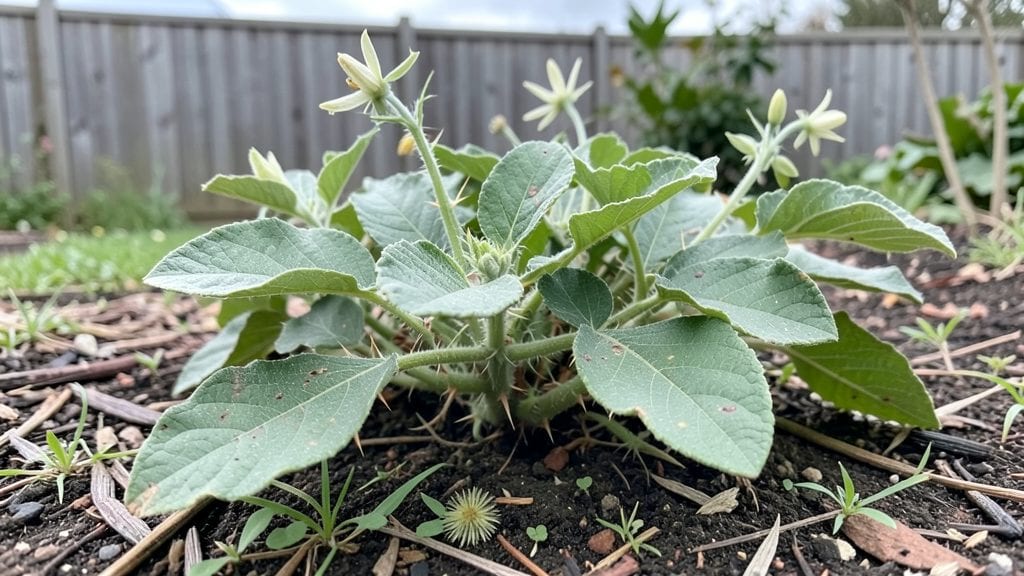
Growing a soda apple plant means adding a tough, fast-growing shrub that thrives where others fail. ✨ I learned the hard way—this plant spreads aggressively, but its pest resistance and drought tolerance make it a standout for tropical climates.
The glossy leaves and white flowers are striking, though the berries are toxic, so keep pets and kids away.
You’ll need full sun, well-draining soil, and patience—this plant grows fast once established. Start with seeds or cuttings in warm seasons, and watch it fill gaps in your garden within months. Just don’t let it escape your yard; it’s invasive in some regions, so contain it with barriers or pruning.
Watering is simple: keep soil moist but not soggy, especially in the first year. Prune back leggy growth in early spring to encourage bushier, denser foliage. The trade-off? You’ll trade edible crops for a low-maintenance, wildlife-repelling shrub that handles heat and humidity like a champ.
Fair warning: this plant isn’t for every garden. If you’re in a warm, humid zone and need a tough, pest-resistant shrub, it’s worth the caution. Just plant it where it can’t spread—like a container or a contained bed—and enjoy its resilience. Here’s how to get it right the first time.
📚 In This Guide
- What you need
- Instructions
- Tips and common mistakes
- Wrapping up and next steps
What you need
- ● Soda apple seeds or seedlings: 2–5 (ensure they’re disease-free for best results).
- ● Well-draining potting mix: 10–15 lbs (look for a blend with perlite or sand for tropical plants).
- ● Pot or garden bed: For containers: 12–18" diameter pots with drainage holes (1–2 plants per pot).
- ● For in-ground planting: Full sun exposure (6+ hours/day) in warm climates (USDA Zones 10–12).
- ● Fertilizer: Balanced organic fertilizer (10-10-10 NPK ratio) or compost (mix 1 cup per 5 gallons of soil).
- ● Watering can or hose: With a gentle spray nozzle (soda apple hates soggy roots!).
- ● Pruning shears: For shaping mature plants (sterilize with rubbing alcohol between uses).
- ● Mulch (straw or pine bark): 2–3 inches to retain moisture and suppress weeds.
- ● pH testing kit: Ideal soil pH for soda apple: 6.0–7.0 (adjust with lime or sulfur if needed).
- ● Pest control: Neem oil or insecticidal soap (preventative measure for aphids or mealybugs).
- ● Patience: Soda apple grows slowly—expect flowers/fruit in 2–3 years!
- ● Heat tolerance: Avoid planting until soil temps stay above 60°F (15°C).
- ● Local regulations: Check if soda apple is invasive in your area (e.g., banned in Florida—opt for seedlings instead of seeds).
Step-by-step instructions for growing a thriving soda apple plant
Here's how to cultivate this tough, pest-resistant tropical beauty with minimal fuss.
🌱 Step 1: Choose the Right Location and Prepare the Soil
Soda apple plants crave full sun—at least 6-8 hours daily—so pick the sunniest spot in your tropical garden. They tolerate poor soil but grow best in well-draining, slightly acidic to neutral soil with a pH of 6.0-7.0. Since they’re drought-tolerant once established, avoid heavy clay or waterlogged areas.
Mix the native soil with 2-3 inches of compost (if available) to improve drainage and fertility. Soda apple roots spread aggressively, so dig a hole twice as wide as the root ball to encourage strong establishment. A loose, airy soil prevents root rot—a common issue in tropical climates.
🪴 Step 2: Plant Your Soda Apple with Care
Dig the hole deep enough to bury the root collar (the swollen base of the stem) just below soil level. Gently tease out any circling roots to encourage outward growth. Place the plant in the hole and backfill with soil, pressing lightly around the base to remove air pockets.
Water deeply immediately after planting to settle the soil and eliminate air gaps. This helps roots make contact with moisture quickly. Mulch with 2-3 inches of organic mulch (like wood chips or pine straw) to retain soil moisture and suppress weeds. Keep mulch 6 inches away from the trunk to prevent rot.
☀️ Step 3: Water and Fertilize for Strong Growth
Young soda apple plants need consistent moisture for the first 6-8 weeks—water 1-2 times per week, depending on rainfall. Once established, they’re drought-tolerant, but deep watering every 2-3 weeks keeps them healthy. Overwatering leads to root rot, so always check the top 2 inches of soil before watering.
Fertilize lightly once a month during the growing season (spring to fall) with a balanced, slow-release fertilizer (like 10-10-10). Avoid heavy nitrogen—it encourages leafy growth at the expense of fruit production. Stop fertilizing in late fall to let the plant rest.
✂️ Step 4: Prune and Maintain for Pest Resistance
Prune in late winter or early spring to remove dead, diseased, or crossing branches. Soda apple responds well to light pruning—cut back overgrown stems by 1/3 to encourage bushier growth. Always use sterilized pruners to prevent bacterial infections.
This plant’s natural pest resistance means you’ll rarely need interventions. However, watch for scale insects or mealybugs on new growth. Spray infested areas with neem oil or insecticidal soap if needed. Healthy plants bounce back quickly, so don’t over-treat.
🌿 Step 5: Harvest and Enjoy the Fruit
Soda apple fruits ripen 6-12 months after planting, turning from green to yellow. Harvest when they’re fully yellow and slightly soft to the touch. Wear gloves—unripe fruit contains saponins, which can irritate skin. The fruit is edible when cooked but toxic raw.
After harvest, prune any remaining fruit stems to redirect the plant’s energy into next year’s growth. In colder climates, mulch heavily to protect roots from light frosts. With minimal care, your soda apple will thrive for years, providing both beauty and functional fruit.
Tips & tricks for perfect soda apple plant growth
These simple tricks will help you cultivate a thriving, pest-resistant soda apple plant with minimal effort.
The Sunlight Factor: That 6-8 hours of full sun is non-negotiable—this plant won't tolerate shade. I've seen soda apple plants in partial shade struggle with weak growth and poor fruit production. If your garden doesn't get full sun, consider growing it in a large container that you can move to follow the sun throughout the day. The leaves will tell you if it's getting enough light—bright green and glossy means happy, while dull or yellowing leaves mean it's time to relocate.
Soil Preparation Secret: Don't skip the compost if you can get it—those 2-3 inches make a world of difference in drainage and fertility. If compost isn't available, use well-rotted leaf mold instead. The key is creating that loose, airy soil structure. I've seen soda apple roots rot in heavy clay soil despite all other care being perfect. For the hole width, think "generous"—twice the root ball size gives those aggressive roots room to spread without circling.
Watering Wisdom: The 6-8 week watering schedule is critical for young plants. I like to use a moisture meter during this period to check the top 2 inches of soil—if it's dry, water deeply. Once established, let the soil dry out between waterings. The drought tolerance kicks in after that initial establishment period, but don't wait until the soil is bone dry to water—those roots need consistent moisture at first.
Fertilizer Strategy: That monthly balanced fertilizer schedule works wonders, but here's the thing about nitrogen—less is more. I've seen soda apple plants grow like weeds with too much nitrogen, but they produce almost no fruit. The 10-10-10 ratio gives you balanced growth without sacrificing fruit production. And that late fall break? It's essential for the plant's winter rest period, even in tropical climates.
Pro Tips for Soda Apple Plant
- These simple tricks will help you cultivate a thriving, pest-resistant soda apple plant with minimal effort.
- The Sunlight Factor: That 6-8 hours of full sun is non-negotiable—this plant won't tolerate shade.
- Soil Preparation Secret: Don't skip the compost if you can get it—those 2-3 inches make a world of difference in drainage and fertility.
Frequently asked questions
Got questions about growing or managing Solanum viarum (soda apple)?
Here are some common ones—and their answers—to help you navigate this hardy tropical plant with confidence!
Is soda apple really pest-resistant?
The soda apple plant is highly resistant to most pests, thanks to its toxic compounds (like solanine). Few insects or animals bother it—though deer and goats may nibble if desperate. Pro tip: Its unpalatability makes it a natural deterrent for garden pests, reducing the need for chemical sprays.
How long does it take for soda apple to grow and produce fruit?
Soda apple grows fast—expect 3–5 feet in its first year! However, fruiting can take 1–2 years under ideal conditions (full sun, warm climate, and well-drained soil). Patience pays off: In tropical zones, it may flower and fruit sooner, while cooler climates may delay it.
Is soda apple safe for pets or humans?
No!
All parts of the plant—leaves, stems, and fruit—are toxic due to solanine and other alkaloids. Ingestion can cause nausea, vomiting, or worse. Keep it away from kids and pets: Plant it in secure, fenced areas or containers if you have curious critters around.
Can I use soda apple as a living fence or hedge?
Its thorny stems and rapid growth make it perfect for natural fencing in rural or tropical areas. Plant seeds/spreads 3–5 feet apart for a dense barrier. Bonus: It’s low-maintenance—just prune occasionally to control height and encourage bushiness.
What should I do if my soda apple plant looks sickly?
Yellowing leaves? Check for overwatering (soda apple hates soggy roots) or nutrient deficiency (add compost!). Troubleshooting: Ensure 6+ hours of sun, improve drainage, and fertilize lightly with phosphorus-rich soil. Fungal issues are rare, but prune affected areas immediately if spotted.
Wrapping up and next steps
The soda apple plant is a resilient, low-maintenance addition to tropical gardens, offering vibrant foliage and natural pest resistance. With its hardy nature and minimal care needs, it’s perfect for both beginners and seasoned gardeners looking to boost their outdoor space with ease.
Ready to transform your garden? Start by gathering your supplies and planting your first soda apple today!
🌱 Pro tip: Share your progress with fellow plant enthusiasts—you’ll inspire others to grow their own pest-resistant paradise!