
Pests
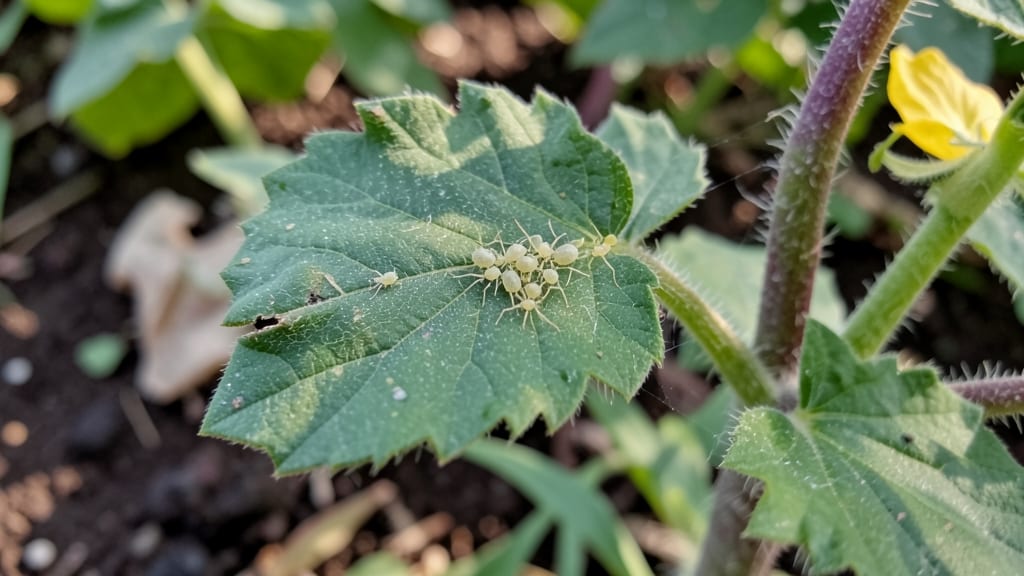
Neem oil spray stops spider mites on tomato plants in just 3-5 days—I’ve seen it work when nothing else did. 🌱 The moment you spot those tiny specks or webbing under leaves, you’re already behind, but this treatment gets results before your plants turn into skeleton leaves.
The key? Timing, concentration, and a second spray a week later to keep them gone for good.
Spider mites thrive in dry, dusty conditions, which means your tomato plants are basically their all-you-can-eat buffet if you’re not careful. Most people wait too long, and by then, the mites have already sucked the life out of your plants.
But neem oil disrupts their life cycle—it’s not just a quick fix, it’s a reset button for your tomato leaves. You’ll need 1 tablespoon of neem oil per quart of water, plus a drop of dish soap to help it stick.
Within 48 hours, you’ll notice the mites slowing down, and by day 5, most will be gone. The leaves stop yellowing, new growth stays crisp, and your tomatoes keep producing like nothing happened.
The best part? This isn’t some harsh chemical that kills everything in sight—it’s safe for your plants, your family, and even the good bugs that keep your garden balanced.
Here’s the catch: you’ve got to spray both sides of the leaves and do it in the early morning or late evening when the sun isn’t beating down.
And if you’re dealing with a full-blown infestation, you might need to repeat the treatment every 5-7 days until the mites are completely gone. Trust me, your tomatoes will thank you.
Root Causes of Spider Mites
Spider mites may seem like tiny, harmless pests, but their presence on tomato plants is rarely accidental. Understanding the underlying factors that invite these eight-legged invaders is key to preventing future outbreaks. Let’s break down the science behind why spider mites target your tomatoes—and how you can disrupt their cycle.
Spider mites thrive in hot, dry conditions, making them a common summer nuisance. Here’s why:
- Rapid Reproduction: Temperatures above 85°F (29°C) accelerate their life cycle. A single female can lay 50–100 eggs in just a few days, leading to explosive infestations. - Dry Air = Weak Plants: Low humidity (below 40%) stresses tomato plants, making them more susceptible to mite attacks.
Healthy plants produce sticky resin (a natural defense), but drought weakens this barrier. - Web Formation: When conditions are dry, mites spin fine silk webs to trap moisture, creating the telltale "cobwebbing" you see on leaves.
Actionable Insight: If your area experiences heatwaves or arid spells, increase shade for plants (use row covers or shade cloth) and mulch heavily to retain soil moisture.
Tomatoes under stress emit chemical signals that attract spider mites. Here’s how it happens:
- Nutrient Deficiencies: Lack of phosphorus or potassium weakens plant cell walls, making them easier for mites to pierce and feed on sap.
- Over-Fertilization with Nitrogen: While nitrogen promotes leafy growth, excessive use leads to soft, tender foliage—a buffet for mites.
- Physical Damage: Pruning, hail, or even rough handling during harvesting can create entry points for mites and disrupt the plant’s natural defenses.
Actionable Insight: Conduct a soil test to balance nutrients, and prune strategically to improve airflow (miters hate crowded leaves!). Avoid broadcast fertilizing—use slow-release granules instead.
Spider mites are prey for beneficial insects, but their populations explode when these predators vanish. Common culprits:
- Pesticide Overuse: Many gardeners unknowingly kill predator insects (like ladybugs, lacewings, or predatory mites) with broad-spectrum chemicals, tipping the balance in favor of mites.
- Monoculture Gardening: Planting only tomatoes (or other solanaceous plants) starves predator species, leaving mites unchecked.
- Urban or Greenhouse Environments: Without diverse ecosystems, natural pest control collapses, and mites dominate.
Actionable Insight: Introduce beneficial nematodes (Hypoaspis miles) or release lacewing larvae (they devour mite eggs). Plant companion crops like marigolds or basil to attract predators.
Mites love hidden, undisturbed spaces where they can:
- Avoid predators (like birds or spiders).
- Feed undetected on the undersides of leaves.
- Spin webs in sheltered areas, protecting their colonies.
Key Triggers:
- Thick foliage from over-pruning or disease (e.g., powdery mildew).
- Old plant debris (fallen leaves, stems) harboring overwintering mites.
- Greenhouse conditions with stagnant air (miters thrive in still, warm pockets).
Actionable Insight: Prune aggressively to remove yellowing or infested leaves, and sanitize tools with 70% isopropyl alcohol to prevent spread. In greenhouses, install oscillating fans to disrupt mite webs.
Pro Tip 💡: Mites can’t survive in water—a strong spray from the hose (every 2–3 days in dry spells) can knock them off plants and deter future infestations. Pair this with neem oil for a double defense!
How to Treat Spider Mites Fast
Now that you know what’s causing those pesky spider mites on your tomato plants, it’s time to act! The good news? There are effective, natural, and easy-to-follow solutions to eliminate them—without harsh chemicals.
Below, we’ll break down the best cause-specific fixes, along with prevention tips to keep your tomato plants thriving.
Spider mites love weak, crowded, or nutrient-deficient plants. Thinning out your tomato plants and improving care can make them less appealing to these pests.
How to Fix It:
- 🌱 Prune & Thin: Remove yellowing or overcrowded leaves to improve airflow. This reduces humidity, making it harder for mites to thrive.
- 💧 Water Properly: Water deeply at the base (not overhead) in the early morning to prevent leaf wetness, which attracts mites.
- 🌿 Boost Nutrients: Use a balanced fertilizer (like 10-10-10) or compost tea to strengthen plants. Weak plants are easier targets.
💡 Prevention Tip: Space tomato plants 18-24 inches apart to prevent overcrowding and improve sunlight penetration.
Spider mites thrive in dry conditions—dusty leaves provide the perfect hiding spot. A gentle cleaning can disrupt their life cycle.
How to Fix It:
- 🧼 Wipe Leaves: Use a soft cloth or sponge dipped in soapy water (1 tsp mild soap per gallon) to remove dust and mites.
- 💦 Increase Humidity: Place a shallow tray of water near plants or use a humidifier (especially in greenhouses).
- 🌧️ Mist Leaves (Carefully): Lightly mist foliage in the early morning to deter mites—but avoid wetting leaves if fungal diseases are a concern.
⚠️ Warning: Avoid high-pressure sprays, as they can damage delicate tomato leaves.
Neem oil is a powerhouse against spider mites—it smothers adults, disrupts eggs, and deters future infestations.
How to Fix It:
- 🛒 Mix the Solution:
- 1 tbsp neem oil
- 1 tsp mild liquid soap (helps it stick)
- 1 quart water
- Optional: Add 1 tsp garlic oil for extra pest-repelling power.
- 🍎 Spray Thoroughly:
- Apply evenly on both sides of leaves (mites hide on undersides!).
- Spray every 5-7 days until mites disappear (usually 2-3 weeks).
- 🌞 Best Time to Spray: Early morning or late afternoon to avoid burning leaves in direct sun.
💡 Pro Tip: Test a small leaf first—some plants (like certain heirloom tomatoes) may be sensitive to neem oil.
Ladybugs, lacewings, and predatory mites (Phytoseiulus persimilis) are natural spider mite enemies. Release them for a long-term, chemical-free solution.
How to Fix It:
- 🐞 Buy Beneficial Insects: Purchase from garden centers or online (e.g., lacewing eggs or ladybug larvae).
- 🌿 Release at Dusk: Mites are less active at night, giving predators a head start.
- 🌿 Provide Shelter: Keep plants healthy and dust-free so predators stick around.
✨ Bonus: Plant marigolds or dill nearby—they attract beneficial insects!
If neem oil isn’t available, these household remedies can help slow down mites while you work on long-term fixes.
| Solution | How to Use | Effectiveness |
|---|---|---|
| 🧂 Salt Spray | 1 tbsp salt + 1 quart water (spray on mites directly) | Kills on contact (use sparingly—can damage plants) |
| 🍋 Vinegar Spray | 1 cup white vinegar + 1 gallon water (spray leaves) | Repels mites but may burn leaves—dilute well |
| 🌿 Pepper Spray | Blend hot peppers + water, strain, and spray | Acts as a deterrent (reapply after rain) |
⚠️ Caution: These are short-term fixes—combine with neem oil or predator release for best results.
Once your tomato plants are mite-free, prevent reinfestation with these easy habits:
- 🌡️ Monitor Regularly: Check leaf undersides weekly with a magnifying glass.
- 🚫 Remove Infested Leaves: Drop heavily infested leaves in soapy water (not compost).
- 🌿 Rotate Crops: Avoid planting tomatoes in the same spot yearly to break pest cycles.
- 🌿 Use Reflective Mulch: Aluminum foil or silver plastic mulch confuses mites and deters them.
Spider mites may seem like a lost cause, but with consistent treatment, your tomato plants will bounce back stronger. Start with neem oil + predator release, then prevent future outbreaks with proper care.
Your tomatoes will thank you—with juicy, pest-free harvests! 🍅💚
Frequently asked questions
How do I know if my tomato plants have spider mites?
Look for tiny yellow or brown specks on leaves (visible with a magnifying glass) and fine webbing between leaf veins. Infested leaves often develop yellow or brown spots and may appear dusty. Check undersides of leaves first—mites love hiding there!
Can I use dish soap to kill spider mites on tomatoes?
Yes, but use it carefully! Mix 1 teaspoon mild dish soap with 1 quart water and spray directly on mites. This smothers adults but can harm plants if overused. For best results, combine with neem oil and reapply every 3-5 days.
Why do spider mites keep coming back after treatment?
Mites often return due to dry conditions, hidden eggs, or untreated plants nearby. Increase humidity with trays of water, remove all infested leaves, and treat neighboring plants. Repeat neem oil sprays every 5-7 days for 2-3 weeks to break their life cycle.
Are there any chemical-free ways to prevent spider mites?
Plant marigolds or basil near tomatoes to attract beneficial insects like ladybugs. Use reflective mulch (aluminum foil) to confuse mites, and maintain 40%+ humidity with regular misting. Prune plants for airflow and avoid over-fertilizing with nitrogen.
How long does it take for neem oil to work on spider mites?
You’ll typically see results within 3-5 days, but full eradication takes 2-3 weeks with consistent spraying. Apply every 5-7 days until no new mites appear. For severe infestations, combine with predator insects for faster results.