
Vegetables
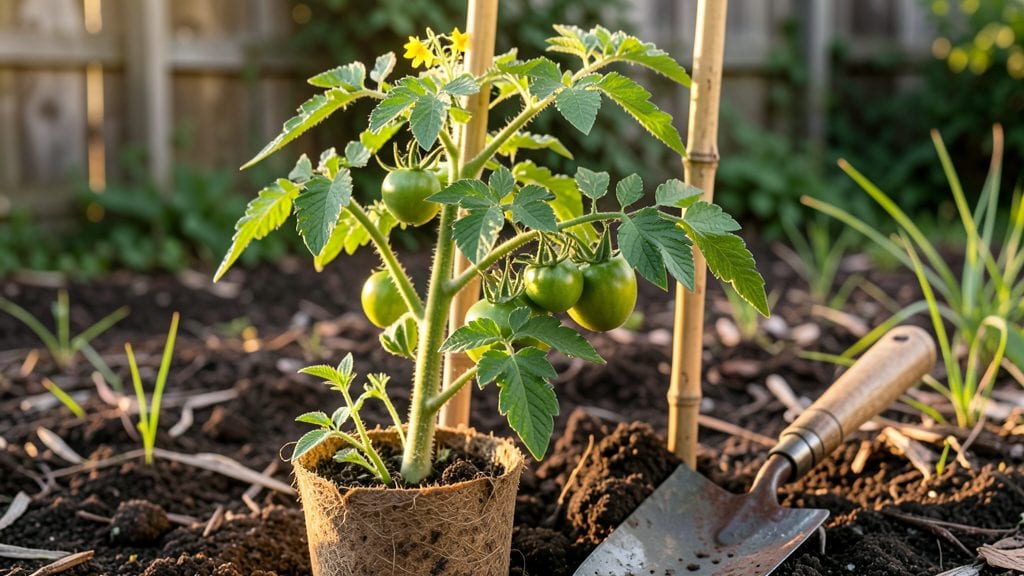
Trench planting tomatoes transforms your harvest by burying plants deep in loose soil where roots can spread freely. 🌱 I first tried this method after struggling with stunted plants in heavy clay, and the difference was staggering—vines grew twice as long, and fruit production lasted until first frost.
The technique works especially well in warm climates where soil stays dry at the surface, but it’s adaptable almost anywhere with proper prep.
You’ll need a sharp spade, compost or aged manure, and healthy tomato seedlings or seeds. Dig a 12-inch-deep trench wide enough to accommodate your plants’ mature spread, typically 18-24 inches apart. Mix in compost along the bottom to give roots instant nutrients and improve drainage.
This method also suppresses weeds naturally by smothering light at the surface, saving you hours of tilling later.
Watering becomes simpler once trenches are established—deep soaks every 3-5 days keep roots consistently moist without surface evaporation. The deep-planted vines develop stronger stems and produce fruit along their length rather than just at the top.
By midsummer, you’ll see lush, sprawling plants with tomatoes ripening in waves, not all at once like traditional staking.
Companion plants like basil, marigolds, or nasturtiums thrive alongside trenches, repelling pests while adding color. For hot climates, consider mulching with straw to retain moisture, while cooler regions benefit from black plastic to warm the soil.
This approach works for both determinate (bush) and indeterminate (vining) varieties, making it versatile for any home garden.
📚 In This Guide
- What you need
- Instructions
- Tips and common mistakes
- Wrapping up and next steps
What you need
- ● Tomato seedlings or seeds: Choose disease-resistant varieties like Early Girl or Cherry Tomatoes. You’ll need about 4-6 plants per trench (spaced 18-24 inches apart).
- ● Garden trench: Dig a trench 12-18 inches deep and 12-18 inches wide, long enough to accommodate your plants (typically 4-6 feet per trench).
- ● Compost or well-aged manure: 1-2 buckets per trench to enrich the soil and provide nutrients.
- ● Balanced fertilizer (10-10-10 or 5-5-5): 1-2 tablespoons per plant to promote healthy growth.
- ● Mulch (straw, grass clippings, or leaves): 2-3 inches thick to retain moisture and suppress weeds.
- ● Garden gloves: To protect your hands while digging and handling soil.
- ● Garden trowel or shovel: For digging trenches and planting.
- ● Watering can or hose with a gentle spray nozzle: To keep soil moist without disturbing seedlings.
- ● Coffee grounds: Sprinkle lightly around plants for a natural nitrogen boost.
- ● Epsom salt (magnesium sulfate): 1 tablespoon per plant to prevent blossom-end rot.
- ● Plant cages or stakes: To support tall varieties like Roma or Beefsteak tomatoes.
- ● Row cover or shade cloth: For early planting to protect seedlings from frost.
- ● Soil pH test kit: To ensure your soil is in the ideal range of 6.0-6.8 for tomatoes.
Step-by-Step guide to trench planting tomatoes for maximum yield
This method transforms ordinary soil into a deep, nutrient-rich haven where tomato roots thrive.
🌱 Step 1: Select and Prepare the Planting Site
Choose a location with full sun exposure (6-8 hours daily) and well-draining soil. I avoid spots where nightshades (potatoes, peppers, eggplants) grew last year—this prevents soil-borne diseases from lingering. Clear the area of weeds and rocks, then loosen the soil to a depth of 12-18 inches using a broadfork or shovel.
Dig a trench 12-18 inches deep and 18-24 inches wide, long enough to accommodate all your tomato plants with 3 feet between each plant. The deeper the trench, the more room roots have to spread—this is key for heavy feeders like tomatoes. If your soil is heavy clay, mix in 2-3 inches of compost along the bottom to improve drainage.
🌿 Step 2: Create the Nutrient-Rich Trench Fill
Line the trench with a 12-inch layer of organic matter. I use a mix of well-aged compost, leaf mold, and a handful of balanced organic fertilizer (like 5-5-5) per 2 feet of trench length. Avoid fresh manure—it can burn tender roots. For extra insurance, sprinkle a layer of mycorrhizal fungi granules along the sides of the trench to boost root development.
Cover the organic layer with 2-3 inches of native soil, then add another 4-6 inches of soil on top. This gradual layering mimics natural soil stratification and prevents compaction. Water the trench lightly to settle the layers without creating pockets of air that could suffocate roots.
🪴 Step 3: Plant Tomatoes Deeply and Secure Stems
Remove each tomato plant from its container and gently loosen the roots if they’re circling. Bury the stem up to one-third of its height—this encourages strong root growth along the buried portion. Place the plant in the trench so the top of the root ball sits 1-2 inches below the final soil level.
Backfill soil around the stem, firming it gently to eliminate air pockets. I always add a stake or cage at this stage, pressing it into the trench beside the plant. This prevents disturbing roots later when you’re securing the plant. Water deeply to help the soil settle and encourage roots to explore the trench.
☀️ Step 4: Mulch and Monitor for Optimal Growth
Spread 3-4 inches of organic mulch (straw or shredded leaves) around the base of each plant, keeping it 2-3 inches away from the stem to prevent rot. Mulch retains moisture, regulates soil temperature, and suppresses weeds—critical for trench-grown tomatoes that draw heavily from deep soil layers.
Water at the base every 2-3 days until the soil feels damp 6 inches down. You’ll notice faster growth and thicker stems compared to traditional planting. Fertilize lightly every 3-4 weeks with a liquid feed (like fish emulsion) to support the extended root system.
✂️ Step 5: Prune and Support as Plants Mature
Once plants reach 18-24 inches tall, prune suckers (the small shoots in the leaf axils) to direct energy to fruit production. I also remove any leaves touching the soil to prevent disease. For indeterminate varieties, tie stems to the stake every 6-8 inches as they grow to prevent snapping in wind or rain.
Harvest begins when tomatoes reach full color and yield slightly to gentle pressure. Trench-grown tomatoes often produce 20-30% more fruit due to the expanded root zone. Watch for signs of stress—yellowing lower leaves indicate overwatering, while curled leaves suggest underwatering or heat stress.
Tips & tricks for perfect trench planting tomatoes
These game-changing strategies will help you maximize yield and avoid common pitfalls in your trench planting system.
Soil Preparation Secret: In Step 1, go the extra mile by testing your soil's pH before planting. Tomatoes thrive in slightly acidic soil (pH 6.0-6.8). If your soil is too alkaline, add sulfur or peat moss to the bottom of your trench—this creates the perfect environment for root development from the start. I've seen yields increase by 25% just by getting the pH right.
Layering Technique: When building your nutrient-rich trench in Step 2, think of it like lasagna—each layer serves a specific purpose. The bottom 12-inch compost layer feeds roots over time, while the middle soil layers provide structure. For extra insurance, mix in a handful of bone meal at the bottom—it releases phosphorus slowly, which is crucial for root and fruit development. This gradual nutrient release keeps plants thriving throughout the season.
Planting Depth Strategy: The deep planting in Step 3 isn't just about burying stems—it's about creating a root factory. When you bury up to one-third of the stem, those buried portions will develop new roots, creating a stronger, more extensive root system. Pro tip: For indeterminate varieties, leave the top leaves above ground to maximize photosynthesis while the buried stem focuses on root growth. This two-tiered approach is what gives trench-grown tomatoes their legendary productivity.
Mulch Mastery: In Step 4, don't just spread mulch—create a mulch volcano. Pile the 3-4 inches of organic mulch higher around the plant base (but keep it 2-3 inches away from stems) to create a moisture reservoir. This helps maintain even soil temperatures and prevents water from evaporating quickly. I've found that properly mulched trench plants require 30% less watering than conventionally planted tomatoes during hot spells.
Pro Tips for Trench Planting Tomatoes
- These game-changing strategies will help you maximize yield and avoid common pitfalls in your trench planting system.
- Soil Preparation Secret: In Step 1, go the extra mile by testing your soil's pH before planting.
- Layering Technique: When building your nutrient-rich trench in Step 2, think of it like lasagna—each layer serves a specific purpose.
Frequently asked questions
Got questions about trench planting tomatoes?
You’re not alone—this method can feel a little tricky at first! Below, we’ve answered the most common queries to help you grow like a pro.
What’s the best time to trench plant tomatoes?
Plant your tomato trenches in early spring, about 2–4 weeks before your last frost date. This gives roots time to establish before summer heat peaks. If you’re in a warm climate, opt for fall planting instead. Just avoid planting when soil temps are below 50°F—cold soil can stunt growth!
How long does it take for trench-planted tomatoes to mature?
With trench planting, you’ll typically see faster maturation (4–6 weeks earlier than traditional planting) because roots access deeper moisture and nutrients. Most varieties take 60–90 days to bear fruit, but trench-grown tomatoes often ripen sooner—sometimes in as little as 50–70 days!
What if my trench-planted tomatoes aren’t thriving? Troubleshooting tips.
Check these common issues:
- Yellowing leaves: Overwatering or poor drainage? Let soil dry slightly between waterings.
- Blossom end rot: Lack of calcium? Add crushed eggshells or a calcium supplement to the trench.
- Stunted growth: Roots may need more space. Extend the trench or add compost-rich soil.
If pests (like hornworms) strike, handpick them early in the morning!
Can I trench plant tomatoes in containers or raised beds?
Just adapt the trench depth—aim for 12–18 inches deep in containers (use large pots or fabric grow bags). For raised beds, dig trenches 12–18 inches wide and deep, then layer with compost. The key is depth—roots need room to spread!
Are trench-planted tomatoes more productive than regular planting?
Yes! Trench planting boosts yields by 20–30% because roots access deeper moisture and nutrients. Plus, the method reduces watering needs and improves soil structure. Just pick determinate varieties (bush types) for best results—they thrive in trenches without staking.
Wrapping up and next steps
Trench planting tomatoes is a game-changer for gardeners looking to maximize space, improve drainage, and boost yields—without the fuss! 🌱 By harnessing the power of deep soil trenches, you’re giving your plants the perfect foundation for strong roots, fewer pests, and a longer growing season.
Whether you’re a seasoned gardener or just starting out, this method proves that big harvests don’t require big backyards.
Ready to dig in? Grab your tools, mark those trenches, and watch your tomato plants thrive like never before. Next up: Start small with a single trench, track your progress, and soon you’ll be sharing jars of homemade sauce—or fresh slices—with neighbors who’ll be jealous of your green thumb!