Size
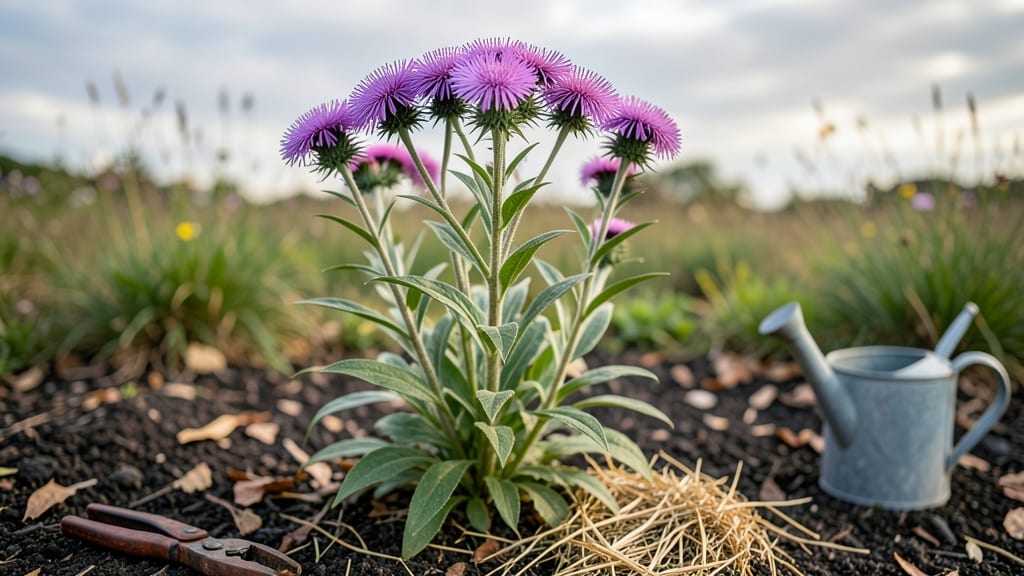
My tall aster plants are the unsung heroes of late-season color, reaching heights of 5-6 feet with clusters of daisy-like blooms that last until frost. ✨ What makes them special isn’t just their dramatic vertical presence—it’s how they transform a garden from summer’s end into a vibrant autumn showcase with minimal effort.
The key lies in their care routine, where pruning isn’t just about shaping but about coaxing that second flush of blooms when other perennials have already bowed out.
These plants thrive in full sun to partial shade, making them versatile for borders, cottage gardens, or even as dramatic cut flowers. The soil needs to be well-draining but consistently moist—think rich garden soil mixed with compost, and avoid soggy spots that invite root rot.
Varieties like New England aster and smooth aster differ slightly in bloom time and height, but all share the same core needs: regular watering, occasional deadheading, and strategic pruning to keep them sturdy and blooming.
With the right approach, you’ll enjoy months of color—from early summer’s first buds through fall’s final frost. The secret to their longevity? Pruning spent blooms to encourage new growth and staking taller varieties before they flop.
Even in my zone 6 garden, they’ve become the star attraction, outlasting most annuals and requiring less fuss than you’d expect.
Whether you’re growing them for their height, their late-season blooms, or their cut-flower potential, these plants deliver. The best part? They’re beginner-friendly once you know the basics—no green thumb required, just a little attention to their needs. Let’s get those stems reaching for the sky!
📚 In This Guide
- What you need
- Instructions
- Tips and common mistakes
- Wrapping up and next steps
What you need
- ● Tall aster plant: 1-3 healthy nursery-grown plants (choose varieties like ‘Wood’s Blue’ or ‘Serenity’ for height and color).
- ● Potting soil: 5-10 gallons of well-draining, peat-based potting mix (or garden soil amended with compost).
- ● Containers (if not planting in-ground): 1-3 large pots (12–18 inches in diameter) with drainage holes.
- ○ Optional: Self-watering pots for convenience.
- ● Fertilizer: Balanced, slow-release granular fertilizer (10-10-10) or liquid bloom booster (like Miracle-Gro).
- ● Pruning shears: Sharp, clean bypass pruners (for precision cuts).
- ● Mulch: 2–3 inches of organic mulch (e.g., shredded bark or straw) to retain moisture.
- ● Gloves: Heavy-duty gardening gloves (to protect from thorns or rough stems).
- ● Watering can or hose: With a gentle spray nozzle for even moisture.
- ● Stakes or supports: 3–4 bamboo stakes or tomato cages (for tall varieties like ‘September Ruby’).
- ○ Plant food (optional): Fish emulsion or compost tea for extra nutrients.
- ● Plant labels: Waterproof tags to track varieties and pruning schedules.
Step-by-Step instructions for cultivating tall asters
Here's how I keep my tall asters thriving with vibrant blooms all season long.
🌱 Step 1: Choose the Right Location and Soil
Tall asters love full sun—at least 6-8 hours daily. I pick the sunniest spot in my garden, where they'll get morning light and afternoon warmth without afternoon shade. The soil needs to drain well, so I avoid low spots where water pools after rain.
Before planting, I loosen the soil to a depth of 12 inches with a garden fork. This helps roots spread easily. If your soil is heavy clay, mix in 2-3 inches of compost to improve drainage and fertility. Asters hate soggy feet, so good drainage is non-negotiable.
💧 Step 2: Plant and Water for Strong Establishment
Dig holes twice as wide as the root ball but only as deep. Place the plant so the top of the root ball sits just below soil level—burying the stem too deep can cause rot. Gently firm the soil around the roots to eliminate air pockets, then water deeply to settle everything.
After planting, I give each aster 1 gallon of water to encourage root growth into the surrounding soil. Water again in 3-4 days to keep the soil consistently moist but not waterlogged. You'll know it's right when the top inch feels damp but not soggy.
☀️ Step 3: Maintain Consistent Care for Continuous Blooms
Once established, asters need 1 inch of water weekly, more in extreme heat or drought. I water at the base in the morning to reduce evaporation and fungal risks. Mulch with 2-3 inches of organic mulch to retain moisture and keep roots cool.
Feed with a balanced, slow-release fertilizer in early spring and again after the first flush of blooms. I avoid high-nitrogen fertilizers—they encourage leafy growth at the expense of flowers. You'll see the best blooms when the plant focuses energy on flowers, not foliage.
✂️ Step 4: Prune for Year-Round Beauty
Deadhead spent blooms regularly to encourage more flowers. I snip just above a set of healthy leaves or a new bud. This prevents the plant from wasting energy on seed production and redirects it to new blooms. I do this every 2-3 weeks during the blooming season.
In late fall, cut back the stems to 6 inches tall to tidy the plant and prepare it for winter. This also prevents disease from overwintering in dead foliage. I leave the mulch in place to protect the roots from freezing temperatures.
⏰ Step 5: Winterize for Next Year’s Blooms
In late winter, just before new growth appears, I trim any dead or damaged stems. This is the perfect time to divide overcrowded clumps if needed. I dig up the plant, separate the roots, and replant the strongest sections in fresh soil.
After dividing, water deeply and apply a light layer of compost around the base. This jumpstarts growth for the new season. You'll see fresh shoots within 2-3 weeks, signaling it's time to resume regular care.
Tips & tricks for perfect tall aster cultivation
Here's what I've learned after years of growing vibrant tall asters—these little details make all the difference between a decent plant and one that blooms beautifully all season.
Sunlight Strategy: Those 6-8 hours of daily sun are non-negotiable, but here's the thing: morning sun is your best friend. Position your asters to catch the gentle morning rays first, then let them bask in afternoon warmth. If you notice leaves yellowing or stems stretching too tall, they're not getting enough light—consider moving them to a sunnier spot or adding a reflective surface nearby to bounce light back onto the plants.
Soil Preparation Secret: When loosening soil to 12 inches deep in Step 1, don't just scratch the surface—really dig in! The deeper roots can spread, the more stable your plant will be. I like to add a handful of compost to each hole before planting, even if my soil isn't heavy clay. This gives the roots a nutrient boost right from the start. Think of it as planting a fertilizer time bomb that releases nutrients as roots grow into it.
Watering Wisdom: That 1 gallon of water after planting isn't just about hydration—it's about settling the soil around the roots. I make sure to water slowly so it soaks in rather than running off. For the 1 inch weekly watering, I use a rain gauge or tuna can to measure. Morning watering is key because it gives the foliage time to dry before evening, which prevents fungal diseases like powdery mildew that can plague asters.
Pruning Precision: When deadheading every 2-3 weeks, I look for the first set of healthy leaves below the spent bloom. Cut just above that point at a 45-degree angle to prevent water from pooling on the stem. This might seem like a small detail, but it makes a huge difference in keeping your plant healthy and encouraging new blooms. And that 6-inch fall pruning? It's not just about looks—it's about preventing disease and making winter care much easier.
Pro Tips for Tall Aster Plant
- Here's what I've learned after years of growing vibrant tall asters—these little details make all the difference betw...
- Sunlight Strategy: Those 6-8 hours of daily sun are non-negotiable, but here's the thing: morning sun is your best fr...
- Soil Preparation Secret: When loosening soil to 12 inches deep in Step 1, don't just scratch the surface—really dig i...
Frequently asked questions
Got questions about keeping your tall aster plant thriving?
Here are answers to the most common queries—from pruning to pests and beyond!
How often should I prune my tall aster plant for best blooms?
Prune your tall aster after the first flush of flowers (late summer) to encourage a second bloom. Light trimming of dead or leggy stems in early spring keeps it tidy. Avoid heavy pruning in fall—let it rest for winter. Pro tip: Use clean, sharp shears to avoid disease!
Can tall aster plants survive winter outdoors?
Most tall aster varieties are hardy to USDA zones 4-9. Mulch the base with 2-3 inches of organic matter (like straw or leaves) after the first frost. Cut back dead foliage in early spring. If you’re in a colder zone, consider overwintering potted plants in a garage or shed.
What pests should I watch for on tall aster plants?
Keep an eye out for aphids, Japanese beetles, and spider mites. Blasts of water or neem oil work well for minor infestations. For beetles, handpick them early in the morning. Preventative tip: Plant near marigolds to deter pests naturally!
Why aren’t my tall aster plants blooming?
Over-fertilizing with high-nitrogen feed can reduce blooms—switch to a low-nitrogen, high-phosphorus fertilizer (like 5-10-5) in early summer. Poor sunlight (less than 6 hours/day) or crowded roots can also stunt flowers. Fix it: Thin plants and move to sunnier spots if needed.
Are there dwarf or compact varieties of tall aster?
Yes! If space is tight, try ‘Wood’s Blue’ (2-3 ft tall) or ‘Alma Potschke’ (3 ft tall). For containers, ‘Prof. Anton Kippenberg’ (2 ft) thrives in pots. Just ensure they still get full sun—compact doesn’t mean low-light tolerant!
Wrapping up and next steps
Growing a tall aster plant is a rewarding way to add vibrant color to your garden year-round—with the right pruning and care, you’ll enjoy lush blooms from summer well into fall! 🌸 Whether you’re trimming for shape, encouraging new growth, or preparing for winter, these techniques ensure your aster stays healthy and stunning.
Now that you’re equipped with the know-how, grab your pruners and give your aster the love it deserves—your garden will thank you!
Ready to elevate your green thumb game? Try experimenting with deadheading or shaping your aster next time you prune—you might just discover a new favorite look!