Plants
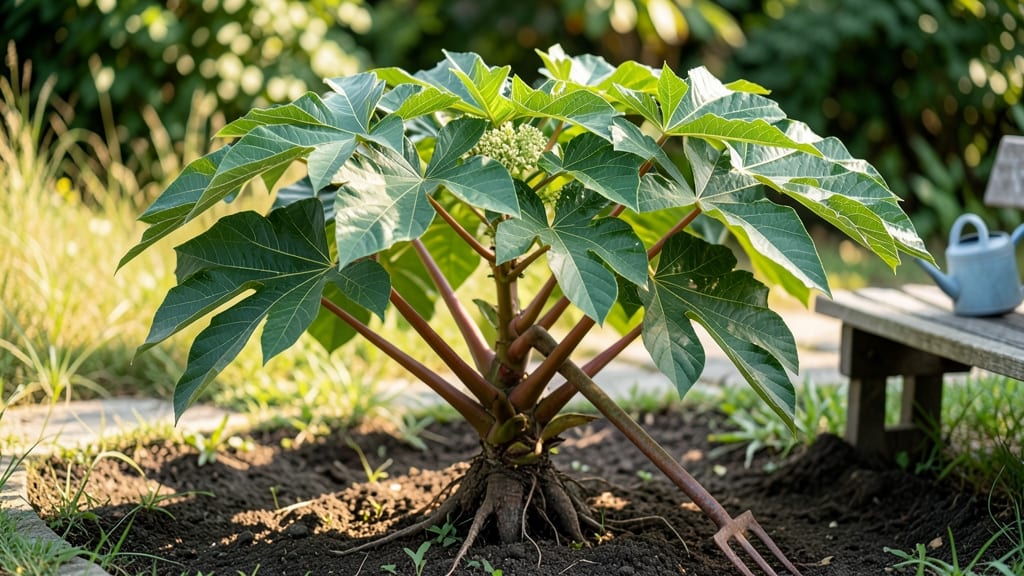
Growing a tapioca cassava plant is like unlocking a tropical treasure chest—fast-growing roots that thrive in heat and humidity. I’ve grown these in my subtropical garden, and within just 6 months, you can harvest edible tubers while enjoying the plant’s glossy leaves as a striking ornamental.
The key is mimicking its natural habitat: well-draining soil, full sun, and consistent moisture without waterlogging.
This plant spreads quickly from stem cuttings, making it perfect for gardeners who want high yields with minimal effort. Start with healthy 6-inch cuttings in sandy loam mixed with compost, and keep them warm.
Once established, cassava handles drought better than most root crops, but young plants need regular watering to prevent stunted growth. The real magic happens when you let the vines sprawl—more foliage means bigger roots.
By late summer, you’ll be digging up foot-long, finger-thick tubers that cook up like potatoes or get processed into tapioca. The leaves also make a nutritious green, so you’re getting double the harvest. Just watch for mealybugs and avoid overwatering—those are the two biggest pitfalls for beginners.
Works beautifully in tropical zones 10-12, but with a little care, you can grow it as far north as zone 9 with a long, warm season. The fast growth and dual-purpose harvest make it one of the most rewarding plants for tropical gardens—let’s get those cuttings planted!
Root Causes of Cassava Struggles
Understanding why cassava plants—especially the beloved tapioca variety—face challenges is key to nurturing a thriving crop. From environmental stressors to biological threats, several factors can stunt growth, reduce yields, or even kill the plant. Here’s a breakdown of the most common culprits and the science behind them.
Cassava thrives in tropical and subtropical climates with consistent warmth, but extreme deviations can derail its growth. This hardy root crop prefers temperatures between 70°F and 85°F (21°C–29°C). Here’s why deviations cause trouble:
- Cold Snaps (Below 60°F/15°C):
- Cassava is not frost-tolerant—even light freezes can kill young plants or damage mature stems.
- Why? Cold slows metabolic processes, including photosynthesis and nutrient uptake, leading to stunted growth or leaf yellowing (chlorosis).
- Actionable Fix: Plant in microclimates (e.g., near walls or in greenhouses) or use mulch to insulate roots.
- Heat Stress (Above 95°F/35°C): - While cassava loves heat, prolonged extreme heat (especially with low humidity) causes wilting, leaf scorch, and reduced tuber formation. - Why? High temperatures increase transpiration rates, drying out leaves faster than roots can replenish water.
This triggers oxidative stress in cells, damaging chlorophyll. - Actionable Fix: Provide shade cloth (30–50%) during peak sun hours and ensure deep, frequent watering (1–2 inches per week).
Cassava is drought-tolerant but not flood-tolerant—its roots need well-drained soil to avoid rot. Water-related issues are a top cause of failure:
- Drought Stress: - While cassava can survive short dry spells, prolonged drought leads to small, woody tubers and premature leaf drop. - Why? Water deficit triggers abscisic acid (ABA) production, a plant hormone that signals stomata (pores) to close, reducing photosynthesis.
Roots also stop expanding, limiting tuber size. - Actionable Fix: Drip irrigation or rainwater harvesting ensures consistent moisture without waterlogging. Avoid overhead sprinklers to prevent fungal diseases.
- Overwatering and Waterlogging: - Cassava hates soggy soil—roots suffocate in anaerobic conditions, leading to **root rot (e.g., Phytophthora spp.) and stem collapse. - Why? Poor drainage creates low-oxygen zones, promoting pathogenic fungi and bacteria.
Roots ferment instead of storing starch, making tubers inedible. - Actionable Fix: Plant on sloped land or raised beds with sand or compost to improve drainage. Test soil moisture—stick your finger 2 inches deep; if damp, hold off on watering.
Cassava is not fussy but performs best in fertile, slightly acidic soil (pH 5.0–6.5). Key deficiencies and imbalances can sabotage growth:
| Nutrient Deficiency | Symptoms | Why It Happens | Solution |
|---|---|---|---|
| Nitrogen (N) | Pale yellow leaves, stunted stems | N is crucial for leafy growth and protein synthesis. Lack of N = poor chlorophyll. | Apply compost or organic fertilizer (e.g., blood meal) at planting. |
| Phosphorus (P) | Dark green/purple leaves, slow growth | P aids root development and energy transfer. Deficiency = weak tuber formation. | Use bone meal or rock phosphate before planting. |
| Potassium (K) | Yellow leaf edges, weak stems | K regulates water balance and disease resistance. Low K = prone to pests/disease. | Add wood ash or potassium sulfate mid-season. |
| Zinc (Zn) or Iron (Fe) | White/yellow spots between veins | Micronutrients are vital for chlorophyll production. Deficiency = interveinal chlorosis. | Apply chelated zinc/iron or Epsom salt (for Mg) if soil is alkaline. |
- Soil pH Imbalance: - Too acidic (pH <5.0)? Aluminum and manganese toxicity bind to roots, stunting growth. - Too alkaline (pH >7.0)? Iron and zinc become unavailable, causing yellowing. - Actionable Fix: Test soil with a home kit or lab.
Amend with lime (to raise pH) or sulfur/peat moss (to lower pH) as needed.
Cassava’s enemies range from chewing insects to soil-borne pathogens. Here’s how they strike:
- Mealybugs and Scale Insects: - These sap-sucking pests weaken plants by extracting nutrients, leaving behind sticky honeydew (which attracts mold). - Why? Infestations reduce photosynthetic efficiency by 30–50%, leading to yellowing, wilting, and stunted tubers. - Actionable Fix: Spray with neem oil or introduce ladybugs (natural predators).
Prune heavily infested stems.
- Cassava Mosaic Virus (CMV): - Spread by whiteflies, this viral disease causes mosaic patterns on leaves, stunted growth, and tiny, deformed tubers. - Why? CMV disrupts protein synthesis, making leaves inefficient at capturing sunlight. - Actionable Fix: Remove infected plants immediately and use silver mulch to deter whiteflies.
Plant resistant varieties (e.g., TMS 30572).
- Root Rot (Phytophthora spp.):
- Why? The fungus blocks water and nutrient uptake, leading to sudden wilting even with moist soil.
- Actionable Fix: Crop rotation (avoid planting cassava in the same spot for 2+ years) and fungicidal soil drenches (e.g., copper-based sprays).
Cassava’s aggressive root system and competitive growth mean crowding or shallow planting can backfire:
- Overcrowding:
- Plants
- Why? Shaded leaves produce less chlorophyll, reducing energy for tuber development.
- Actionable Fix: Space plants 2–3 feet apart in rows 3–4 feet apart for optimal airflow and root expansion.
Planting too shallow (e.g., <6 inches deep) results in forked or stunted roots. - Why? Roots follow the path of least resistance—if soil is compacted, they grow laterally instead of downward. - Actionable Fix: Loosen soil to 12+ inches deep with a broadfork and mix in sand or coconut coir for drainage.
Not all cassava varieties are created equal. Some high-yielding types (like those bred for tapioca) are more susceptible to stress than traditional varieties:
- Hybrid Weakness: - Many commercial tapioca cassava hybrids prioritize high starch content over disease resistance.
This makes them more prone to viral infections (e.g., CMV) and nutrient deficiencies. - Why? Breeders often select for one trait (e.g., tuber size) at the expense of hardiness. - Actionable Fix: Choose locally adapted varieties or open-p
Fixing Common Cassava Plant Problems
Cassava thrives in tropical climates, but even the hardiest plants face challenges. Whether it’s pests, diseases, or environmental stressors, knowing how to address issues quickly keeps your tapioca plant healthy and productive. Below are practical, step-by-step solutions tailored to the most common problems—plus prevention tips to keep your crop flourishing.
Cause: Mealybugs, cassava mealybugs, or spider mites suck sap, weakening stems and leaves. Fix: 🔥 Manual Removal: Use a soft brush or cloth dipped in soapy water to wipe off pests. Focus on leaf undersides and stem crevices. 🍳 Neem Oil Spray: Mix 1 tbsp neem oil with 1 quart of water and a drop of dish soap. Spray thoroughly every 5–7 days until pests vanish. 👨🍳 Beneficial Insects: Introduce ladybugs or lacewings—they’re natural predators of mealybugs. 🔪 Prune Infested Areas: Cut and dispose of heavily damaged leaves or stems to prevent spread.
Prevention Tip: 💡 Inspect new plants before planting and quarantine them for a week. Mulch with wood chips to deter pests naturally.
Cause: Excess moisture or poor airflow triggers fungal infections (e.g., Xanthomonas or Phytophthora). Fix: 🌡️ Improve Airflow: Space plants 3–4 feet apart and prune dense foliage to reduce humidity. 🎯 Copper Fungicide: Apply a copper-based spray (like Bordeaux mixture) every 2–3 weeks during rainy seasons. ✨ Remove Affected Leaves: Snip off yellowing or spotted leaves immediately and destroy them (don’t compost). 📊 Rotate Crops: Avoid planting cassava in the same spot yearly to break fungal cycles.
Prevention Tip: 🌡️ Water in the morning to allow leaves to dry quickly, and avoid overhead irrigation.
Cause: Waterlogged soil suffocates roots, leading to rot (Pythium or Fusarium). Fix: ⏰ Drainage Check: Amend heavy clay soil with perlite or sand to improve aeration. 🥘 Adjust Watering: Water deeply but only when the top 2 inches of soil are dry. Cassava is drought-tolerant! 🔥 Raise Planting Beds: Elevate roots in mounds or containers to prevent soggy conditions. 🔪 Trim Rotten Roots: If rot is caught early, prune affected roots and treat with fungicide.
Prevention Tip: 💡 Plant in well-draining soil with a pH of 5.0–6.5, and avoid watering at night.
Cause: Lack of nitrogen, potassium, or magnesium causes stunted growth or discolored leaves. Fix: 📊 Soil Test First: Use a DIY test kit or send a sample to a lab to identify deficiencies. 🥗 Organic Boosts:
- Nitrogen (yellow leaves): Apply compost tea or blood meal.
- Potassium (weak stems): Use banana peel compost or wood ash.
- Magnesium (yellow edges): Sprinkle Epsom salt (1 tbsp/gallon of water) monthly.
🍎 Balanced Fertilizer: Use a 10-10-10 NPK fertilizer sparingly (follow package rates).
Prevention Tip: 🌱 Mulch with compost regularly to maintain soil fertility without overfeeding.
Cause: Direct, intense sun or sudden heat waves scorch leaves, especially in young plants. Fix: 🌿 Shade Cloth: Use 30–50% shade cloth during peak afternoon sun for tender new growth. 💧 Mulch Heavily: Straw or grass clippings retain moisture and cool roots. 🥘 Drip Irrigation: Water slowly at the base to avoid leaf burn from overhead sprinklers.
Prevention Tip: 💡 Acclimate seedlings gradually to full sun over 1–2 weeks.
Cause: Heavy foot traffic, clay soil, or lack of organic matter stunts root development. Fix: 🔥 Aerate Soil: Loosen compacted areas with a garden fork or tiller before planting. 🍳 Add Organic Matter: Mix in coconut coir, well-rotted manure, or leaf mold to improve structure. 👨🍳 Mound Planting: Elevate cassava on 12-inch-high beds for better drainage and root expansion.
Prevention Tip: 🌱 Avoid walking on planting beds and use raised beds in high-traffic areas.
Cause: Spread by aphids or infected planting material; no cure exists—prevention is key. Fix: 🔪 Remove Infected Plants: Destroy symptomatic plants immediately to stop spread. 🍳 Aphid Control: Spray with insecticidal soap or plant marigolds nearby to repel pests. 🌿 Certified Seedlings: Purchase virus-free cassava cuttings from reputable nurseries.
Prevention Tip: 💡 Rotate crops with non-host plants like beans or maize to disrupt viral cycles.
Final Pro Tip: 🎯 Monitor regularly—catching issues early (like pests or disease) is easier than treating advanced stages. Keep a garden journal to track what works best for your climate!
Frequently asked questions
Is the tapioca cassava plant safe to grow in containers?
Yes, cassava adapts well to containers as long as they're at least 18 inches deep and 24 inches wide to accommodate its extensive root system. Use well-draining potting mix with perlite, and place the container in full sun. Containers help prevent soil-borne diseases and make harvesting easier, though yields may be slightly smaller than in-ground plants.
How long does it take for cassava roots to become edible?
With proper care, cassava tubers typically reach harvestable size in 8-12 months, though some varieties mature faster (as early as 6 months). The roots store starch gradually, so regular soil checks (gently probing with a stick) reveal when they're 2-3 inches thick. Harvest before the first frost in cooler climates.
Can I grow cassava from seed, or do I need cuttings?
Cassava is almost always propagated from stem cuttings (6-12 inches long) rather than seeds. Seeds produce weak plants with poor tuber development. Take healthy cuttings from mature plants, let them dry for 1-2 hours, then plant them 2 inches deep in moist soil. Root development begins within 2-3 weeks.
Why are my cassava leaves turning yellow?
Yellowing leaves usually indicate overwatering, nutrient deficiency, or pest damage. First check soil moisture—cassava prefers slightly dry conditions. If leaves are pale yellow, add compost for nitrogen. For brown/yellow edges, check for potassium deficiency (try wood ash). Mealybugs also cause yellowing—inspect leaf undersides and treat with neem oil if needed.
What's the best way to store harvested cassava roots?
Freshly harvested cassava stores best in a cool, dry place (55-65°F) with good airflow. Cure roots for 3-5 days in warm conditions (80°F) to develop skin, then brush off soil. Store in sand or sawdust (not plastic bags) to prevent rot. Properly stored roots last 2-3 months—freezing is also an option for long-term storage.