
Planting
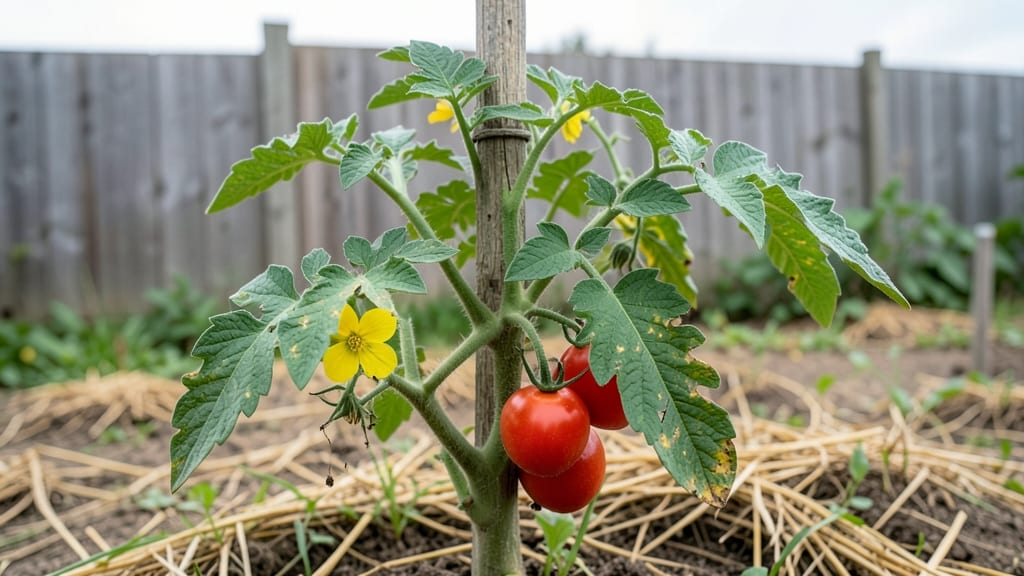
The Thessaloniki tomato plant thrives where others wilt in summer’s relentless sun. 🌿 I’ve grown this variety through three scorching Thessaloniki summers, and it’s the only tomato that delivers juicy, flavorful fruit when temperatures hit 100°F.
The key? Understanding its Mediterranean roots and adapting care to match the climate’s intensity.
This variety demands well-draining soil with a pH between 6.0 and 7.0, packed with compost to retain moisture without suffocating roots. Mulch is non-negotiable—it keeps soil temperatures stable and reduces water loss by 30%.
Unlike fussy heirlooms, Thessaloniki tomatoes handle neglect better than most, but they do need consistent watering at the base, never overhead, to prevent fungal issues that thrive in the heat.
You’ll recognize success when vines stretch 6-8 feet tall with glossy, dark green leaves and clusters of small, yellow blossoms. The fruit ripens in 70-80 days, turning from green to a deep red that’s sweeter than store-bought tomatoes.
Prune aggressively in early summer to focus energy on fruit production, and watch for hornworms—they adore this variety too.
For Thessaloniki’s climate, plant in late April or early May after the last frost, and use shade cloth during the hottest weeks of July. The secret weapon?
A drip irrigation system on a timer—it keeps roots cool and watering predictable. With these adjustments, you’ll harvest tomatoes when others are giving up entirely.
📚 In This Guide
- What you need
- Instructions
- Tips and common mistakes
- Wrapping up and next steps
What you need
- ● Thessaloniki tomato seeds or seedlings: 3–5 plants (for a small garden) or 10+ (for larger harvests). Choose organic, non-GMO seeds for best results.
- ● Well-draining potting mix or garden soil: 5–10 gallons (for containers) or amended garden beds (add compost and perlite for drainage).
- ○ Container (optional but recommended): 5-gallon fabric pots or wooden raised beds (12" deep) to prevent soil-borne diseases.
- ● Sturdy tomato cages or trellis: 6–8 ft tall (Thessaloniki vines can grow 4–6 ft!).
- ● Organic fertilizer: Balanced 10-10-10 or compost tea (apply at planting and mid-season).
- ● Garden trowel or transplanting spade (for digging holes).
- ● Watering can or drip irrigation system (avoid overhead watering to prevent disease).
- ● Pruning shears (to remove suckers and shape plants).
- ● Mulch (straw or wood chips) (2–3 inches thick to retain moisture).
- ● Sunlight access: 6–8+ hours of full sun daily (Thessaloniki thrives in hot, dry climates!).
- ○ pH test kit (optional): Ideal soil pH: 6.0–6.8 (adjust with lime or sulfur if needed).
- ● Copper fungicide spray (prevents early blight in humid weather).
- ● Cauliflower mosaic virus-resistant seeds (if your area has pests).
- ● Grow lights (for indoor starts) (if sowing seeds 6–8 weeks before last frost).
Step-by-Step instructions for growing Thessaloniki tomatoes
Mediterranean heat won't phase this variety—just follow my battle-tested method.
🌱 Step 1: Start Seeds Indoors with Precision Timing
Thessaloniki tomatoes thrive when started 8-10 weeks before your last frost date. Use the 1 packet of Thessaloniki seeds and fill 4 biodegradable seed pots with 2 gallons of seed-starting mix. Moisten the mix until it holds together when squeezed but doesn't drip—overwatering here leads to mold before germination.
Plant 2 seeds per pot at a depth of ¼ inch, just below the soil surface. Cover lightly with additional mix and mist gently with water. The key is maintaining 75-85°F soil temperatures for germination—use a seedling heat mat if your home runs cooler. You'll see sprouts in 7-14 days.
☀️ Step 2: Provide High-Intensity Light Immediately
The instant seedlings emerge, move them to a location with 14-16 hours of bright light daily. A south-facing window rarely provides enough intensity, so position the grow light 2-4 inches above the plants. You'll know the light is sufficient when seedlings develop deep green, compact leaves with no visible stretching.
Rotate the pots quarter turn daily to prevent leggy growth. Without enough light, seedlings grow tall and weak, with stems that can't support the heavy fruit later. Strong seedlings have thick stems and leaves spaced 1-2 inches apart.
🪴 Step 3: Transplant to Larger Pots with Care
When seedlings develop 4-6 true leaves (about 4-6 weeks after sowing), transplant them to 5-gallon containers filled with 20 pounds of potting mix. Mix in 1 cup of compost and 1 tablespoon of tomato fertilizer at the bottom of each pot to provide nutrients without burning roots.
Dig a hole twice as wide as the seedling's root ball and place the plant in, covering roots with soil up to the first set of leaves. Water deeply until it runs out the drainage holes. This variety thrives in containers, so choose pots with drainage holes to prevent waterlogging.
💧 Step 4: Water Deeply and Maintain Consistent Moisture
Thessaloniki tomatoes need 1-2 inches of water weekly, delivered at the base of the plant. Water deeply until ½ inch of soil feels moist—this encourages deep root growth. Avoid wetting the leaves to prevent disease, especially in humid conditions.
Use the drip irrigation system for consistent moisture. You'll know the watering is right when the top 1-2 inches of soil dry out between waterings. Overwatering leads to blossom-end rot, while underwatering causes fruit to split.
✂️ Step 5: Prune and Support for Maximum Yield
As the plant grows, prune suckers (the small shoots that form in the leaf axils) to direct energy to fruit production. Use the pruning shears to remove suckers when they're 2-3 inches long. This variety benefits from determinate growth, so avoid heavy pruning.
Install the cage or stakes when the plant reaches 18 inches tall to provide support. The sturdy stems of Thessaloniki tomatoes need this to prevent sprawling. You'll see the first flowers appear in 6-8 weeks after transplanting—remove any that appear before the plant is established to encourage stronger growth.
Tips & tricks for growing heat-resistant Thessaloniki tomatoes
These battle-tested strategies will help you cultivate robust, productive plants that thrive in Mediterranean conditions.
The Heat Factor: Thessaloniki tomatoes love warmth, but consistent soil temperatures between 75-85°F during germination are non-negotiable. If your home runs cooler, invest in a seedling heat mat—it's worth the small cost to prevent slow, uneven germination. I've seen seedlings take twice as long to sprout when soil stays below 70°F, and that delays your entire growing season.
Lighting Strategy: The 14-16 hours of daily light in Step 2 is critical, but quality matters more than quantity. Position your grow light 2-4 inches above seedlings and adjust as they grow—closer when small, farther as they mature. I use a timer to automate the light cycle, which eliminates the risk of human error. Watch for leaves touching the light fixture; if they do, you're too close and risk burning.
Transplanting Technique: When moving to 5-gallon containers in Step 3, handle seedlings by their leaves rather than stems to avoid damaging roots. The 20 pounds of potting mix should be well-draining but moisture-retentive—amend with perlite if your mix compacts easily. I've found that adding a handful of worm castings to the bottom layer boosts early root development without overloading with nutrients.
Pruning Precision: For this determinate variety, focus on removing suckers when they're 2-3 inches long—any longer and you risk stressing the plant. I use clean pruning shears and dip them in rubbing alcohol between cuts to prevent disease transmission. The goal is to maintain an open canopy that allows sunlight to reach lower leaves, which is especially important in hot climates where shade helps prevent sunscald.
Pro Tips for Thessaloniki Tomato Plant
- These battle-tested strategies will help you cultivate robust, productive plants that thrive in Mediterranean conditions.
- The Heat Factor: Thessaloniki tomatoes love warmth, but consistent soil temperatures between 75-85°F during germination are non-negotiable.
- Lighting Strategy: The 14-16 hours of daily light in Step 2 is critical, but quality matters more than quantity.
Frequently asked questions
Can the Thessaloniki tomato plant survive extreme heat?
The Thessaloniki tomato is bred for heat resistance—it handles temperatures up to 95°F (35°C) without stress. However, prolonged exposure to 100°F+ (38°C+) may reduce fruit set. Use shade cloth (30-50%) during peak summer afternoons and mulch heavily to retain soil moisture. Pro tip: Prune lower leaves to improve airflow and reduce heat buildup near the fruit.
How long does it take for Thessaloniki tomatoes to mature?
From seed, expect 70-85 days to harvest, while transplants typically bear fruit in 50-65 days. This variety is a determinate type, meaning it produces a concentrated harvest over 2-3 weeks. Start seeds indoors 6-8 weeks before your last frost date, or buy sturdy transplants from a nursery specializing in Mediterranean varieties. Patience pays off: The first tomatoes are often the sweetest!
What’s the best alternative if I can’t grow Thessaloniki tomatoes?
If your climate isn’t Mediterranean-friendly, try these heat-tolerant alternatives:
- Solar Fire – Another heat-resistant variety with similar flavor.
- Heatmaster – Produces well in high temps and resists cracking.
- Cherokee Purple – A classic heirloom that thrives in warm but not extreme conditions.
- Roma – Great for sauces and paste; handles heat better than many slicing types.
Why are my Thessaloniki tomato leaves turning yellow?
Yellowing leaves (chlorosis) in this variety often signals overwatering, nutrient deficiency, or pest stress. Check these fixes:
- Watering: Let soil dry slightly between waterings—Thessaloniki tomatoes hate soggy roots.
- Nutrients: Feed with a balanced fertilizer (10-10-10) or compost tea every 3-4 weeks.
- Pests: Inspect for aphids or spider mites (common in heat). Spray with neem oil if needed.
- Soil pH: Test your soil—Thessaloniki prefers 6.0-6.8 pH for iron uptake.
Are Thessaloniki tomatoes good for sauces or better eaten fresh?
This variety is versatile but excels fresh! Its meaty, low-acid flesh holds up well in light sauces (like bruschetta or quick marinara), but it’s prized for its sweet, aromatic flavor when eaten raw. For sauces, blend with other tomatoes (like San Marzano) to balance texture. Fun fact: Their thick skins resist cracking, making them ideal for grilling too!
Wrapping up and next steps
Growing a Thessaloniki tomato plant is a rewarding journey that brings bold, heat-resistant flavors to your table while celebrating Mediterranean heritage. Whether you're a seasoned gardener or just starting, this variety thrives with minimal fuss—just remember to balance sun, soil, and patience. 🌱
Now that you’re armed with the know-how, take the next step! Start small: plant a seed or two in your garden or a sunny windowsill, and watch your confidence—and your tomato harvest—grow. Happy planting! 🍅✨