
Planting
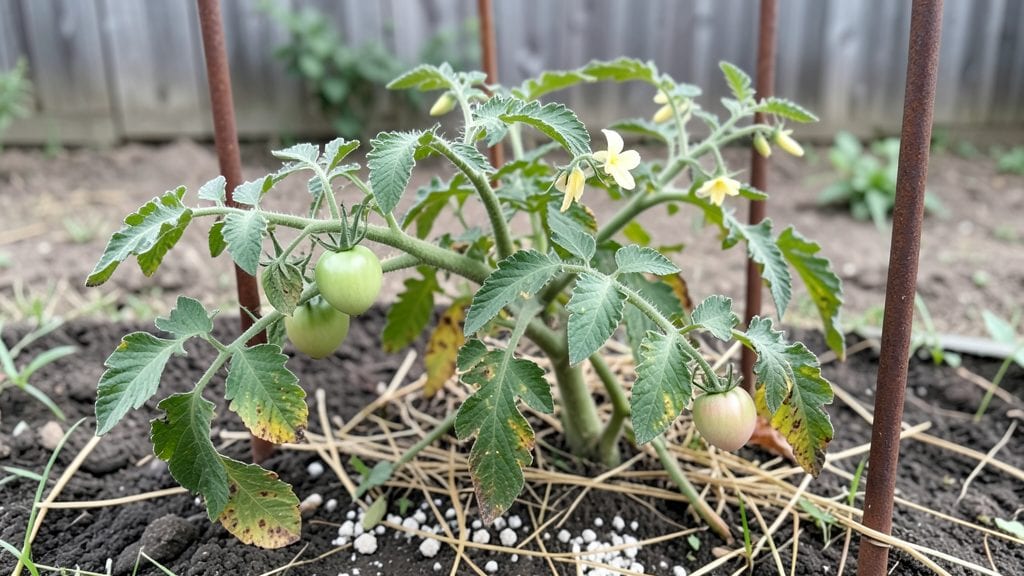
Yellow leaves on your tomato plants—those telltale signs of tomato plant deficiencies—don’t mean your garden is doomed; they’re clues your plants are whispering for help. 🌱 I’ve seen this happen more than I’d like to admit, but the fixes are simpler than you’d think: a little nitrogen here, a splash of water there, or adjusting the pH. The key is spotting the symptoms early and knowing exactly what your tomatoes need.
The most common culprits are nitrogen deficiency (leaves turn pale yellow), potassium deficiency (older leaves brown at the edges), or even overwatering (leaves curl and yellow). I learned the hard way that blossom end rot isn’t just about calcium—it’s often tied to inconsistent watering or poor soil structure.
Once you recognize the patterns, you can correct them in minutes, not days.
You’ll end up with plants that look vibrant green from stem to leaf, produce heavier fruits, and stop dropping blooms before they ripen. The best part? Most fixes use stuff you already have in your garage or garden shed.
Think Epsom salt for magnesium, wood ash for calcium, or a balanced fertilizer for a quick boost.
Works for backyard gardens, containers, or even greenhouse setups—no matter how your tomatoes are growing, these fixes will get them back on track. Let’s decode those yellow leaves and get your plants thriving again.
Root causes behind tomato troubles
Tomato plants are finicky little powerhouses—when they show signs of distress, it’s often a cry for help from their roots, soil, or environment. Understanding why deficiencies happen is half the battle in fixing them fast.
Let’s dig into the science behind the struggle and uncover the real culprits behind those pesky yellow leaves and stunted growth.
Soil isn’t just dirt—it’s a living ecosystem where nutrients like nitrogen (N), phosphorus (P), potassium (K), calcium (Ca), magnesium (Mg), and micronutrients (like iron, zinc, and manganese) must exist in the right balance. When one nutrient is over- or under-abundant, your tomatoes send out distress signals.
- Too much nitrogen (N): Leads to lush green foliage but weak stems and fewer fruits. Excess N also blocks the uptake of other nutrients like calcium and magnesium, causing blossom-end rot or yellowing between leaf veins (a classic sign of magnesium deficiency).
- Too little phosphorus (P): Slows root growth and delays flowering/fruiting. Plants may develop dark green or purple-tinged leaves as they scramble for P to fuel energy production.
- Micronutrient starvation: Even if your soil tests "fertile," micronutrients like iron or zinc can become unavailable if the soil pH is off (too alkaline locks them out). This causes interveinal chlorosis (yellowing between veins) or stunted growth.
Why it happens: Over-fertilizing, poor soil testing, or compacted soil disrupts nutrient availability. For example, iron deficiency (common in alkaline soils) looks like yellow leaves with green veins because iron is tied up and can’t reach the plant’s leaves.
Water isn’t just H2O—it’s the delivery system for nutrients. Too much or too little throws the whole system off balance.
- Overwatering: Drowns roots, cutting off oxygen and suffocating beneficial microbes. This leads to nutrient leaching (flushing away essential minerals like potassium and magnesium) and fungal diseases that block nutrient uptake.
- Underwatering: Stresses the plant, forcing it to prioritize survival over fruit production. Roots can’t absorb nutrients efficiently, causing wilting, yellowing, and premature leaf drop.
- Inconsistent moisture: Alternating between drought and soggy soil disrupts root development, making it hard for plants to access nutrients even if they’re in the soil.
Why it happens: Heavy clay soils hold too much water, while sandy soils drain too fast. Both scenarios create anaerobic (oxygen-poor) zones where roots suffocate or struggle to absorb nutrients like nitrogen and phosphorus.
Tomatoes thrive in warm but not scorching conditions. When temperatures spike or drop too low, nutrient uptake grinds to a halt.
- Heat stress (above 90°F/32°C): Causes nutrient immobilization—soil microbes slow down, reducing the availability of nitrogen and phosphorus. Leaves may scorch or yellow as the plant focuses on cooling itself instead of growing.
- Cold stress (below 50°F/10°C): Slows root activity, making it harder to absorb water and nutrients. Young plants may develop purple stems or leaves (a sign of phosphorus deficiency) as they struggle to access energy.
- Frost or sudden temperature swings: Damages cell membranes, disrupting the plant’s ability to transport nutrients from roots to leaves.
Why it happens: High temperatures also increase transpiration rates (water loss through leaves), which can pull nutrients out of the soil faster than roots can replace them. Meanwhile, cold soil reduces microbial activity, leaving nutrients "locked up" and unavailable.
Hidden invaders like aphids, spider mites, or root-knot nematodes don’t just steal sap—they disrupt nutrient flow and damage roots.
- Aphids and mites: Suck plant sap, reducing the plant’s ability to transport nutrients like potassium and magnesium. Infested leaves may yellow or curl as the plant diverts energy to repair damage.
- Root-knot nematodes: Burrow into roots, creating galls that block water and nutrient absorption. Infected plants show stunted growth, yellowing, and poor fruit set even in fertile soil.
- Fungal infections (e.g., early blight): Clog stomata (leaf pores), preventing gas exchange and nutrient uptake. Leaves may develop concentric yellow rings as cells die from starvation.
Why it happens: Pests and pathogens create physical barriers or metabolic stress, forcing the plant to prioritize defense over growth. For example, nematode-damaged roots can’t absorb enough phosphorus, mimicking a deficiency even when soil tests are normal.
The pH scale (0–14) measures soil acidity or alkalinity, and tomatoes prefer a slightly acidic range (6.0–6.8). Outside this zone, nutrients become unavailable or toxic.
- Alkaline soil (pH > 7.0): Locks out micronutrients like iron, manganese, and zinc. Plants show yellowing between veins (chlorosis) because these nutrients can’t be absorbed, even if they’re present.
- Acidic soil (pH < 5.5): Makes aluminum and manganese toxic, damaging roots and blocking nutrient uptake. Leaves may turn yellow or brown at the edges.
Why it happens: pH affects nutrient solubility. For example, iron forms insoluble compounds in alkaline soil, so roots can’t access it—hence the classic "lime-induced chlorosis." Meanwhile, acidic soils can leach essential nutrients like calcium and magnesium over time.
Next up: We’ll decode the visual clues your tomato plant uses to signal specific deficiencies—so you can diagnose and fix problems in minutes. 🕵️♂️🌿
Quick Fixes for Tomato Plant Troubles
Tomato plants are tough, but even the hardiest varieties need a little help when nutrient deficiencies strike. The good news? Most issues can be resolved with simple, targeted fixes—often in just a few days.
Below, we’ve mapped out practical solutions for each common deficiency, along with prevention tips to keep your plants thriving. Let’s get your tomatoes back on track!
Fix: Your plant is basically asking for a protein boost—nitrogen is the building block of lush green foliage.
- 🍳 Apply a balanced fertilizer (10-10-10 or 20-20-20) at half-strength. Focus on the soil around the roots, not the leaves.
- 👨🍳 Coffee grounds or compost tea work as organic alternatives. Sprinkle used coffee grounds (unflavored!) around the base and water in.
- 🥘 Side-dress with fresh manure (well-aged, composted) or a quick-release nitrogen source like blood meal.
Prevention Tips: ✨ Test your soil before planting—aim for a pH of 6.0–6.8 (nitrogen is less available in acidic or alkaline soil). 🌡️ Mulch heavily with straw or grass clippings to retain nitrogen and moisture. 🎯 Rotate crops—never plant tomatoes in the same spot year after year (they deplete nitrogen fast).
Fix: Phosphorus is the energy drink for roots and flowers—without it, your plant will struggle to establish itself.
- 📊 Use bone meal or rock phosphate—sprinkle 1–2 tablespoons per plant around the root zone and water deeply.
- 🥗 Mix in compost rich in organic matter (it releases phosphorus slowly over time).
- 🍎 Avoid overwatering—phosphorus is less available in soggy soil.
Prevention Tips: ✨ Plant phosphorus-loving companions like marigolds or clover nearby—they help feed the soil. 🔥 Avoid synthetic fertilizers high in nitrogen (like lawn fertilizers) early in the season—they can lock out phosphorus. 🌱 Start with a phosphorus-rich soil amendment (like kelp meal) when transplanting seedlings.
Fix: Potassium keeps your tomatoes sturdy and disease-resistant. If leaves show scorched edges or weak stems, it’s time to act.
- 🔪 Use a banana peel tea (soak peels in water for 24 hours, then water the plant). Bananas are packed with potassium!
- 🥘 Apply greensand or wood ash (sparingly)—these are natural potassium sources.
- 💪 Switch to a fertilizer with higher potassium (like 5-10-10) for a quick fix.
Prevention Tips: ✨ Add composted banana peels to your garden beds before planting. 🎯 Water deeply but infrequently—potassium leaches out in heavy rain or overwatering. 🔥 Avoid over-fertilizing with nitrogen—it can throw potassium levels off balance.
Fix: Those yellow patches between leaf veins? That’s magnesium calling for help.
- 🍳 Spray leaves with Epsom salt solution (1 tablespoon per gallon of water). Do this every 2 weeks until leaves green up.
- 👨🍳 Work dolomitic lime into the soil (if your soil is acidic) to boost magnesium over time.
- 🥘 Mix in calcitic lime (if your soil is alkaline) to improve nutrient uptake.
Prevention Tips: ✨ Add Epsom salt to your watering routine as a preventative measure (½ tablespoon per gallon, monthly). 🌡️ Monitor soil pH—magnesium is best absorbed in slightly acidic to neutral soil (6.0–7.0). 🎯 Use compost or worm castings—they naturally contain magnesium.
Fix: Blossom end rot (those dark, sunken spots on tomatoes) is a classic calcium cry for help.
- 🔪 Crush eggshells and sprinkle around the base of the plant (or blend them into a fine powder and mix into the soil).
- 🥘 Apply crushed oyster shell or gypsum (calcium sulfate) to the soil.
- 💪 Water consistently—calcium uptake drops when soil moisture fluctuates wildly.
Prevention Tips: ✨ Save eggshells all year and bake them at 200°F for 10 minutes to sterilize before crushing. 🎯 Mulch with straw to keep soil moisture stable (calcium moves with water). 🔥 Avoid high-nitrogen fertilizers—they can interfere with calcium absorption.
No matter the deficiency, these universal tips will help your plants stay healthy: - 🌱 Rotate crops—never plant tomatoes, peppers, or eggplants in the same spot two years in a row. - 💡 Test your soil every 2–3 years (or when problems arise).
Many garden centers offer cheap DIY kits. - 🥗 Feed lightly but often—tomatoes prefer small, frequent meals over heavy doses of fertilizer. - 🌡️ Mulch like a pro—straw, grass clippings, or wood chips retain moisture and nutrients.
Remember: Most deficiencies are fixable, but prevention is the best cure. With these quick fixes, your tomato plants will bounce back—and you’ll be on your way to a bountiful harvest in no time! 🍅🔥
Frequently asked questions
Why are my tomato leaves turning yellow but staying green along the veins?
This classic interveinal chlorosis usually signals an iron or manganese deficiency—common in alkaline soils where these nutrients become locked out. Try spraying leaves with a chelated iron solution (1 teaspoon per gallon of water) or adding sulfur to lower soil pH gradually. Organic options like composted leaves or fish emulsion can also help.
Can I use household items to fix tomato deficiencies instead of buying fertilizer?
For nitrogen, use coffee grounds or diluted urine (1 part urine to 10 parts water). Need potassium? Soak banana peels in water for 24 hours, then use the liquid. Calcium? Crush eggshells and mix into soil. Just remember: household fixes work best for mild deficiencies—severe cases may need store-bought supplements.
How often should I fertilize tomatoes to prevent deficiencies?
Feed tomatoes every 2-3 weeks with a balanced fertilizer (like 10-10-10) once they're established, but cut back when fruits start forming to avoid excessive leaf growth. For organic gardens, use compost tea or fish emulsion monthly instead. Over-fertilizing can burn roots and create new nutrient imbalances—always water after applying fertilizer.
Will adjusting my watering fix tomato deficiencies?
Yes! Inconsistent watering causes calcium and magnesium deficiencies (leading to blossom end rot) and potassium leaching. Water deeply 1-2 inches per week, keeping soil consistently moist but not soggy. Mulch with straw to maintain even moisture—this prevents the "feast or famine" cycle that stresses plants.
How do I know if my tomato plant needs help or is just adjusting to transplant shock?
Transplant shock lasts 1-2 weeks and shows as wilting, slight yellowing, or leaf drop—but new growth should appear quickly. Deficiencies cause persistent symptoms (like yellowing between veins for iron deficiency) that spread upward or appear on older leaves first. If your plant recovers within 2 weeks, it's likely just adjusting. If symptoms worsen or persist, test your soil and adjust nutrients.