
Pests
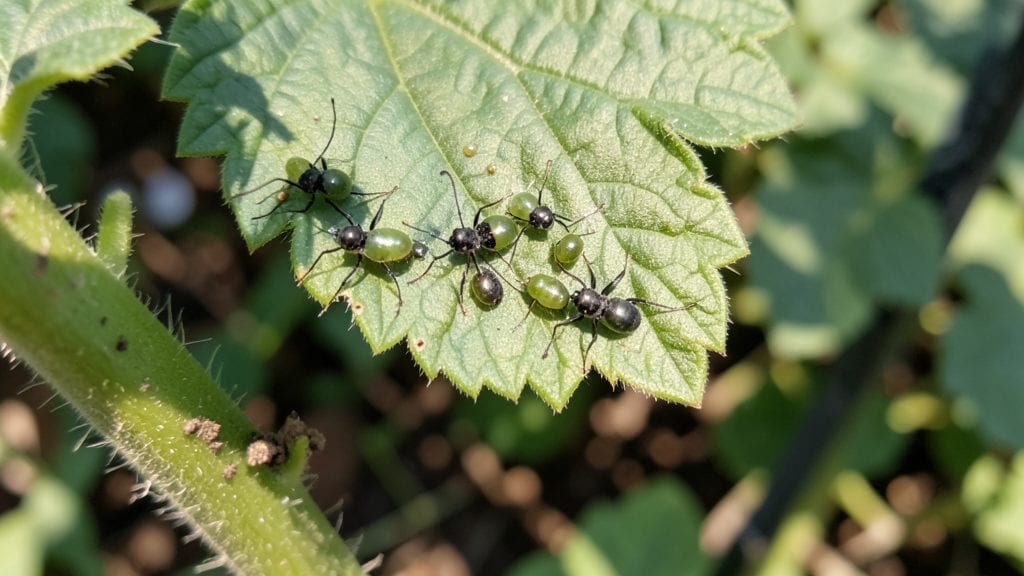
These aphids on tomato plants images show just how quickly your harvest can spiral—from a few specks to a full-blown infestation that weakens vines and stunts fruit. 🌿 I’ve seen these tiny green invaders multiply overnight.
The key is catching them early, when a quick spray or hand-squish is all it takes to stop them.
These sap-sucking pests cluster on new growth, undersides of leaves, and flower buds, leaving behind a shiny residue that attracts ants and fungi. My first mistake was waiting until the plants looked sickly; by then, the damage was already done.
A close-up look reveals their telltale signs: distorted leaves, honeydew drips, and a slow decline in plant vigor.
You’ll eliminate them fast with targeted methods—soapy water sprays, neem oil, or introducing ladybugs—without harming your tomatoes. The goal is to act before the aphids spread, because once they do, your plants won’t recover as quickly.
Prevention is easier than cleanup, and I’ll show you how to keep them off your tomatoes all season.
Works for both backyard gardens and container-grown tomatoes, and adapts to organic or conventional approaches. Let’s get those plants back to thriving in no time.
Root Causes of Tomato Aphid Infestations
Aphids don’t just randomly appear on your tomato plants—they’re drawn by specific conditions that make your garden a five-star buffet. Understanding these triggers helps you break the cycle before they take over. Here’s why these tiny pests target your tomatoes like clockwork:
Aphids are opportunistic feeders, and stressed tomato plants are their favorite snack. When your tomatoes are struggling, they release chemical signals (called volatile organic compounds) that aphids detect from up to 30 feet away—like a neon "Eat Me" sign. Here’s what weakens your plants in their eyes:
- Poor Nutrition 📊 - Aphids thrive when tomato plants are nitrogen-deficient (yellowing leaves) or phosphorus-starved (stunted growth).
These deficiencies reduce the plant’s ability to produce sugary sap, which aphids crave—but also weaken its defenses. - Actionable fix: Use a balanced fertilizer (10-10-10 or 5-10-10) and add compost to boost natural resistance.
- Overcrowded or Root-Bound Plants
- Tomatoes in tight spaces compete for water and sunlight, leading to stress. Aphids love plants that can’t fight back due to limited energy reserves.
- Actionable fix: Space plants 18–24 inches apart and prune suckers to improve airflow.
- Drought or Overwatering
- Drought stress makes plants produce more sugars in their leaves (aphids’ favorite), while waterlogged roots suffocate them, reducing vigor.
- Actionable fix: Water deeply 1–2 times per week (check soil moisture 1 inch below the surface).
Aphids have a sixth sense for tender, new growth—it’s their all-you-can-eat salad bar. Here’s why they swarm your tomatoes’ fresh shoots:
- Soft, Succulent Leaves
- Young leaves and terminal buds (the growing tip) are packed with high-sugar sap, which aphids inject enzymes into to liquefy for easy sucking.
- Fun fact: A single aphid can consume up to 15 times its body weight in sap daily—your plant’s growth fuels their reproduction!
- Honeydew Magnetism - Aphids excrete sticky honeydew, which attracts ants (their bodyguards) and sooty mold (a black fungus).
This creates a feedback loop: more aphids = more honeydew = more ants protecting them. - Actionable fix: Disrupt the cycle by wiping honeydew with a damp cloth or applying kaolin clay to deter ants.
Aphids aren’t loners—they farm like ants, relying on other insects to protect their colonies. Here’s how:
- Ant-Aphid Symbiosis
- Ants herd aphids like cattle, drinking their honeydew in exchange for protection. They’ll even carry aphid eggs to new plants!
- Actionable fix: Use ant baits (borax or sugar-water + insecticide) to break their partnership.
- Beneficial Insects Gone Wrong
- While ladybugs and lacewings eat aphids, some pests (like whiteflies) can coexist with them, creating a shared ecosystem that’s hard to disrupt.
- Actionable fix: Introduce aphid-specific predators (e.g., green lacewings) and neem oil to target all soft-bodied pests.
Aphids are cold-sensitive but heat-loving, which means they explode in numbers during mild winters and warm springs. Here’s the science:
- Mild Winters = More Survivors
- Aphids lay winter eggs that hatch in spring. If temperatures stay above 40°F (4°C), more eggs survive, leading to earlier, larger infestations.
- Actionable fix: Prune heavily in late winter to remove egg-laden debris.
- Dry, Windless Conditions
- Aphids prefer still air—wind disperses them, but calm, dry weather lets them multiply unchecked.
- Actionable fix: Use row covers in early spring to block winged aphids from landing.
- Early Planting = Early Feasts
- Tomatoes planted too early (before soil warms to 60°F/15°C) grow slowly, making them easy prey for aphids.
- Actionable fix: Wait until after the last frost and use black plastic mulch to warm the soil faster.
Pro Tip ✨: Monitor your plants weekly—aphids multiply exponentially (a single female can produce 80 offspring in a month!). Early detection is your best defense!
Quick Fixes for Aphid-Infested Tomatoes
Aphids might look like tiny green invaders, but with the right approach, you can banish them fast—without harsh chemicals or complicated steps. Below, we’ve mapped practical solutions to their most common causes, from early detection to long-term prevention. 🚀🌱
Aphids thrive where plants are stressed or packed too tightly. If your tomatoes are struggling, they’re basically an all-you-can-eat buffet for these pests.
How to Fix It:
- 🔪 Trim crowded foliage: Snip away overgrown leaves (especially near stems) to improve airflow. Aim for a sunny, open plant—aphids hate competition!
- 💧 Boost watering discipline: Water deeply at the base (not overhead) to keep roots hydrated. Wilting plants attract aphids like a neon sign.
- 🌱 Feed with compost tea: A weak plant is a magnet. Mix 1 cup compost + 5 gallons water, let steep for 24 hours, then water your tomatoes. Phosphorus-rich fertilizers (like bone meal) also deter aphids.
💡 Pro Tip: Space tomato plants 18–24 inches apart to reduce humidity and crowding—aphids despise dry conditions!
Aphids excrete honeydew, a sticky mess that attracts sooty mold and other pests. If your leaves look like they’ve been drizzled with syrup, it’s time to act.
How to Fix It:
- 🧼 Blast with water: Use a strong hose spray (not pressure-washer force) to knock aphids off leaves. Repeat every 2–3 days until gone.
- 🍯 Trap with sticky cards: Place yellow sticky traps near plants—aphids are drawn to yellow and get stuck. Replace weekly.
- 🧴 Wipe leaves with soapy water: Mix 1 tsp mild dish soap + 1 quart water, dab on leaves with a soft cloth. Avoid vinegar or harsh soaps—they can burn plants!
⚠️ Warning: If honeydew is thick, sooty mold may have set in. Scrub moldy leaves with a 50/50 water-vinegar mix (rinse after 10 mins).
If aphids appear overnight, they’ve likely hitched a ride on new plants, wind, or ants (who love their honeydew). Time to bring in the big guns—nature’s pest control.
How to Fix It:
- 🐞 Introduce ladybugs or lacewings: These aphid-eating superheroes cost $10–$20 per 1,000 at garden centers. Release them at dusk for best results.
- 🌿 Spray neem oil: Mix 1 tbsp neem oil + 1 tsp mild soap + 1 quart water. Spray directly on aphids (avoid flowers to protect bees). Reapply every 5–7 days.
- 🍋 Try garlic spray: Blend 1 chopped garlic clove + 1 tsp cayenne pepper + 1 quart water, strain, and spray. Aphids hate the smell—and it’s safe for edibles!
💡 Pro Tip: Ants + aphids = disaster. If you see ants climbing your plants, sprinkle diatomaceous earth (food-grade) around the base to block their trails.
Aphids love cool, damp conditions—but in heatwaves, they can still strike if your plants are thirsty. Keep tomatoes hydrated and breezy.
How to Fix It:
- 💦 Mulch heavily: Use straw or wood chips to retain moisture and deter aphids from crawling up stems.
- ☀️ Provide shade cloth: If temps hit 90°F+, drape 30% shade cloth over plants for a few hours daily. Aphids avoid heat.
- 🌬️ Increase airflow: Use a small fan on low setting near plants for 10 mins/day. Aphids can’t grip surfaces in moving air!
🌱 Long-Term Fix: Plant basil, marigolds, or dill nearby—these repel aphids naturally with their strong scents.
The best solution? Stop them before they start. Here’s how to aphid-proof your tomato garden:
- 🌱 Rotate crops: Never plant tomatoes (or nightshades) in the same spot two years in a row.
Aphids and their eggs linger in soil. - 🍃 Inspect new plants: Before bringing home seedlings, rinse them under water and quarantine for 3 days to spot hitchhikers. - 🕷️ Encourage spiders: They eat aphids!
Avoid pesticides that harm them—let the eight-legged allies work for you. - 🌿 Use reflective mulch: Lay aluminum foil or silver plastic sheeting around plants. Aphids hate shiny surfaces and avoid them.
Final Thought: Aphids may be tiny, but they’re no match for a well-prepared gardener. Start with pruning and watering, then bring in natural predators or sprays if needed. With these steps, your tomatoes will stay aphid-free and thriving—ready for harvest! 🍅💪
Frequently asked questions about tomato aphids
What do aphids on tomato plants look like up close?
These tiny pests are usually green, but can also appear black, yellow, or white. They’re oval-shaped, about 1/16-inch long, and cluster on new growth or leaf undersides. Look for their waxy coating or antennae—these help distinguish them from other bugs.
How do I know if my tomato plants have aphids?
Watch for curled or sticky leaves (from honeydew), yellowing foliage, or ants crawling up stems. Check leaf undersides and flower buds—aphids love these spots. A magnifying glass helps spot their tiny bodies or eggs.
Can I use vinegar to kill aphids on tomatoes?
Yes, but dilute it properly! Mix 1 tablespoon white vinegar + 1 teaspoon dish soap + 1 quart water and spray directly on aphids. Avoid spraying hot sun (can burn leaves). Reapply every 3–4 days—vinegar works best as a contact killer, not a long-term solution.
Will aphids kill my tomato plants?
Not directly, but they weaken plants by sucking sap, leading to stunted growth, deformed fruit, and disease from honeydew. Severe infestations can reduce yields by 50%. Act fast—early intervention keeps your tomatoes healthy and productive!
How do I prevent aphids from coming back next year?
Start with crop rotation (avoid planting tomatoes in the same spot). Use reflective mulch (like aluminum foil) and companion plants (basil, marigolds). Introduce beneficial insects (ladybugs, lacewings) and prune regularly to remove hiding spots.