Picking
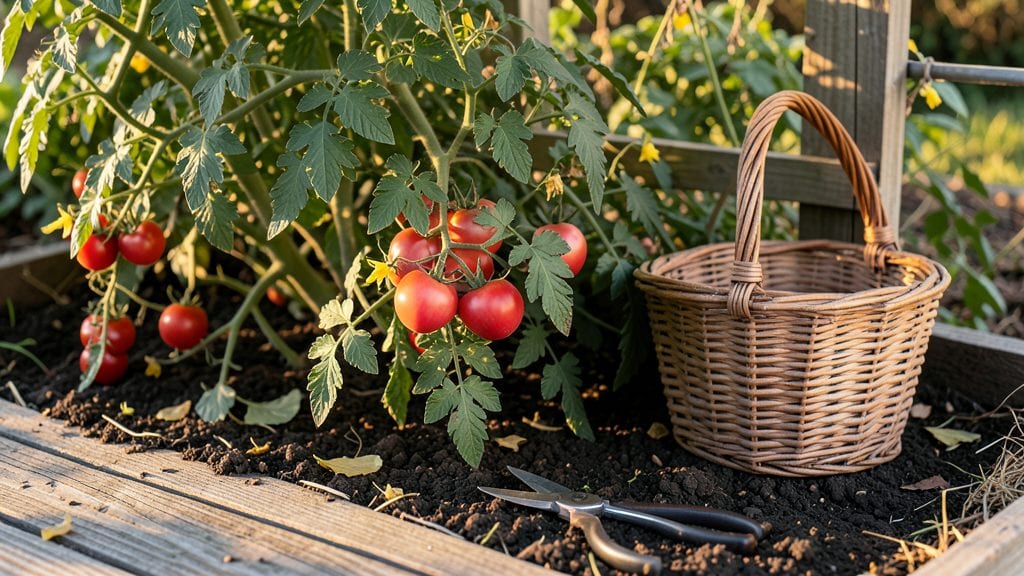
The art of tomato plant harvesting transforms a bountiful yield into a symphony of flavor—this is where sweetness and texture truly shine. 🌿 I’ve learned that patience pays off, as just a few extra days on the vine can turn a ripe tomato into a masterpiece of red perfection. can make all the difference, especially with heirlooms that develop complex flavors as they ripen.
The right tools and technique make harvesting effortless. Grab a pair of sharp pruners or clean scissors, and always wear gloves—tomato stems can be surprisingly prickly.
Twisting the fruit gently from the vine is best for most varieties, but heirlooms with thick stems often need a clean cut to avoid tearing. A single misstep can bruise the fruit or spread disease, so precision matters.
Once picked, handle tomatoes with care—they’re delicate when ripe. Store them at room temperature for full flavor development, but move them to a cooler spot if they’re not fully colored.
Overripe tomatoes? No need to toss them—blend into sauces or freeze for later. Even green tomatoes can be saved with proper curing or cooking.
This is where the real magic happens: the moment you taste that first perfectly ripe tomato, still warm from the sun. Whether you’re dealing with tender heirlooms or sturdy hybrids, these tricks will ensure you don’t miss a single peak-ripened fruit. Let’s make sure your harvest shines.
📚 In This Guide
- What you need
- Instructions
- Tips and common mistakes
- Wrapping up and next steps
What you need
- ● Garden shears or pruning scissors – Sharp, clean pair (e.g., Felco or Fiskars) for clean cuts without damaging the plant.
- ● Harvesting basket or bucket – Lightweight, breathable (plastic or woven) to prevent bruising (1–2 medium-sized, ~1–2 gallons each).
- ○ Gloves (optional but recommended) – Nitrile or cotton gloves to protect hands from thorns and dirt.
- ● Sharp knife or pruning saw – For larger tomatoes or stubborn stems (e.g., Xacto knife or Fiskars pruning saw).
- ● Harvesting tray or flat container – Rigid, shallow tray (e.g., plastic or wood) for sorting and inspecting tomatoes on-site.
- ● Spray bottle with water – To mist tomatoes if harvesting on a hot day (prevents sunscald).
- ● Labeling tags or markers – For tracking varieties (e.g., heirloom vs. cherry) if you grow multiple types.
- ● Know your tomato varieties – Research ripening times and colors (e.g., red, yellow, green when ripe like Green Zebra).
- ● Check weather forecasts – Harvest on cool, cloudy days to avoid bruising (ideal temp: 60–75°F).
- ● Inspect plants for pests/disease – Remove damaged or diseased fruit immediately to prevent spread.
- ● Have storage solutions ready – Paper bags, cardboard boxes, or a cool dark place (55–60°F) for post-harvest tomatoes.
- ● 💡 Use a stool or kneeler – If plants are tall, save your back with a foldable garden stool or knee pad.
- ● 🔥 Bring a small cooler – For long harvests, keep tomatoes chilled (not cold) in a damp towel.
- ● 🎯 Harvest in stages – Pick ripe tomatoes first, then green ones to finish indoors if needed.
Step-by-step guide to harvesting tomatoes at peak ripeness
Here’s how to pick tomatoes when they’re juiciest and most flavorful—no guesswork involved.
🍅 Step 1: Learn the Color and Texture Cues
Tomatoes ripen unevenly, so check each fruit individually. A fully ripe tomato will have its signature color—deep red for heirlooms, golden-yellow for yellow varieties, or even purple for black cherries. Gently squeeze the fruit: it should yield slightly to pressure, like a ripe avocado, but not feel mushy.
Look for small cracks in the skin—this is nature’s way of signaling peak sweetness. If the tomato feels firm and hard, it’s not ready. If it’s soft or squishy, it’s overripe and past its prime. I always harvest in the morning when temperatures are cooler, which preserves their freshness longer.
🍅 Step 2: Use the Right Tools for a Clean Cut
Never pull tomatoes from the vine—this can damage the plant and leave the stem attached. Instead, use a sharp pair of pruning shears or a small knife to snip the stem cleanly. Hold the tomato gently but firmly, and cut just above the stem attachment point at a slight angle.
If you’re harvesting cherry tomatoes, I recommend using your fingers to pinch the stem instead of cutting—it’s faster and reduces the risk of bruising the fruit. Always twist slightly while pulling to avoid tearing the skin. A clean cut ensures the tomato stays fresh longer and doesn’t rot at the stem end.
🍅 Step 3: Harvest Green Tomatoes for Later Use
If frost threatens before your tomatoes fully ripen, harvest them when they’re light green and firm. These can be stored in a cool, dark place like a pantry or basement until they ripen naturally. I like to place them in a single layer on a tray lined with newspaper to prevent rot.
Green tomatoes will ripen over 1-2 weeks if given time. If you’re in a hurry, place them in a paper bag with a banana or apple—these fruits release ethylene gas, which speeds up the ripening process. Avoid storing them in the refrigerator until they’re fully ripe, as cold temperatures can turn their flesh mealy.
🍅 Step 4: Store Harvested Tomatoes Properly
Ripe tomatoes should never be refrigerated—they lose flavor and texture quickly. Instead, store them at room temperature on a counter, away from direct sunlight. A wooden or wire rack works best because it allows airflow, preventing moisture buildup that leads to rot.
If you’ve harvested more than you can use immediately, place them in a single layer in a cardboard box or wooden crate. Avoid plastic containers, as they trap ethylene gas and accelerate spoilage. Tomatoes will keep for 3-5 days at room temperature if stored correctly—longer if they’re slightly underripe.
🍅 Step 5: Know When to Leave Tomatoes on the Vine
Not all tomatoes need to be harvested at once. If you’re growing varieties like roma or paste tomatoes, let a few overripe ones stay on the vine—they’ll sweeten even more and develop deeper flavors. These are perfect for sauces, salsas, or drying.
However, if you notice cracked, moldy, or overly soft tomatoes, remove them immediately to prevent pests and diseases from spreading to the rest of the plant. A healthy tomato plant will keep producing as long as it has energy, so don’t overharvest—balance is key for a continuous yield.
Tips & tricks for perfect tomato plant harvesting
Here's what nobody tells you about getting the absolute best flavor from your tomato harvest—these tricks will change how you pick your tomatoes forever.
Morning Harvest Wins: I can't stress this enough—harvesting in the morning when temperatures are coolest preserves freshness and flavor. The skin is firmer, and the fruit hasn't been exposed to midday heat that can make them overripe. If you must harvest later in the day, pick only the ripest tomatoes first and store them separately to prevent bruising from heat-stressed fruit.
The Color Spectrum Secret: Don't just look for red! Heirloom varieties develop their signature colors—deep reds, golden yellows, even purples—as they ripen. For cherry tomatoes, look for a uniform color with no green shoulders. I always check the underside of the tomato where the stem was attached—sometimes it reveals the true ripeness that the top hides.
Tool Technique Matters: Using pruning shears or a sharp knife for larger tomatoes creates a clean cut that heals better and lasts longer. For cherry tomatoes, my go-to method is pinching the stem between my fingers—it's faster and prevents bruising. Pro tip: Always cut just above the stem attachment point at a slight angle to prevent water pooling where the stem was.
Ethylene Gas Hack: When ripening green tomatoes indoors, place them in a paper bag with a banana or apple. These fruits release ethylene gas, which speeds up ripening by 2-3 times. I've had green tomatoes ready for use in just 3-4 days instead of the usual 1-2 weeks. Just remember to remove them from the bag once they're ripe to prevent over-ripening.
Pro Tips for Tomato Plant Harvesting
- Here's what nobody tells you about getting the absolute best flavor from your tomato harvest—these tricks will change...
- Morning Harvest Wins: I can't stress this enough—harvesting in the morning when temperatures are coolest preserves fr...
- The Color Spectrum Secret: Don't just look for red! Heirloom varieties develop their signature colors—deep reds, gold...
Frequently asked questions
Got questions about tomato harvesting?
You’re not alone! Here are answers to the most common queries to help you pick the perfect tomatoes every time.
How do I know when tomatoes are fully ripe?
Look for uniform color (deep red, pink, or yellow, depending on the variety), a slightly soft but firm texture, and a sweet, fragrant aroma at the stem. If they’re still hard or green, wait a few days—they’ll ripen off the vine too!
What’s the best time of day to harvest tomatoes?
Morning is ideal! Tomatoes are coolest and firmest after the night air, making them easier to pick and less prone to bruising. Avoid harvesting in the heat of the day—overripe or sun-scalded tomatoes can result.
Can I harvest tomatoes before they’re fully ripe?
If frost is coming or you need them indoors, pick green or firm tomatoes and store them in a paper bag with a banana or apple (ethylene gas speeds ripening). Avoid refrigerating—they’ll lose flavor and texture.
How should I pick tomatoes to avoid damaging the plant?
Use sharp pruners or scissors to snip the stem just above the fruit to prevent disease entry. Never twist or pull—this can tear the plant and invite pests. For cherry tomatoes, gently pinch them off with your fingers.
Why are my tomatoes cracking on the vine?
Cracking usually happens due to uneven watering (too much after a dry spell) or inconsistent soil moisture. Mulch your plants, water deeply but evenly, and avoid overhead sprinklers. Varieties like ‘Celebrity’ or ‘Roma’ are less prone to cracking.
Wrapping up and next steps
Harvesting your tomato plants at peak ripeness isn’t just about timing—it’s about celebrating the fruits of your labor! 🌱 Whether you’re a seasoned gardener or a first-time grower, mastering the art of picking tomatoes ensures juicy, flavorful rewards.
Now that you’re equipped with the right tools, techniques, and tips, it’s time to enjoy the harvest—whether you’re canning, cooking, or savoring them fresh off the vine.
Ready to take the next step? Plan your next planting season or experiment with new varieties to expand your tomato repertoire. Happy harvesting! 🍅✨