
Planting
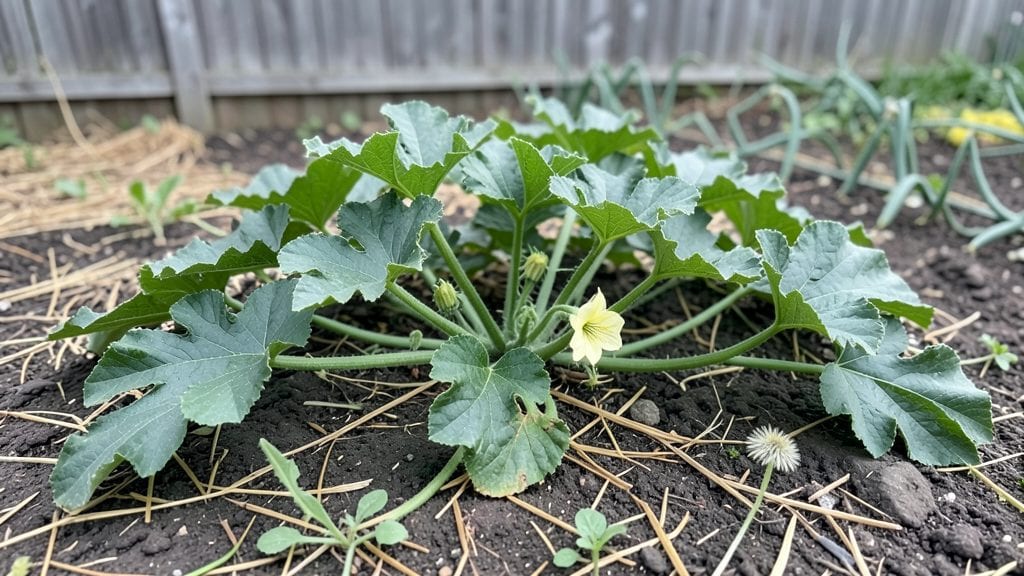
The watermelon plant size—often sprawling 15 to 20 feet long—far exceeds what most gardeners expect and what a small patch of ground can accommodate.
Did you know that giving your watermelon vines just 3 feet of space can double your fruit yield? Understanding watermelon plant size isn't just about aesthetics—it's the secret to juicy, bountiful harvests that even expert gardeners overlook.
Whether you're working with standard vining varieties or compact bush types, proper spacing determines how many melons you'll harvest, how healthy they'll be, and whether your garden stays organized or turns into a tangled mess.
In this guide, I’ll break down everything you need to know—from how tall watermelon vines grow to the best spacing for containers, trellises, and open ground—so you can maximize your harvest without sacrificing space.


Watermelon plant size by variety: growth charts for vining vs. bush types
Watermelon plants come in two dramatic growth styles: sprawling vines that stretch 15-20 feet and compact bush varieties that stay under 5 feet. Choosing the right type for your space determines whether you'll harvest 10-pound monsters or pocket-sized personal-sized treats.
The difference isn't just about yard space—it directly impacts your fruit yield, ease of care, and even disease resistance.
For first-time growers, visualizing these differences is key. A Sugar Baby bush variety might fit on your patio, while a Crimson Sweet vine could overtake your entire garden if unchecked.
Understanding these growth patterns helps you plan trellises, allocate space, and avoid the heartbreak of overcrowded plants that produce small, bitter fruit.
Here's the critical comparison you need before planting:
| Variety Type | Mature Spread | Height | Best For | Fruit Size | Spacing Needs |
|---|---|---|---|---|---|
| Vining Types | 15-20 ft | 1-3 ft (trailing) | Large gardens, trellises | 10-30 lbs | 6-10 ft between plants |
| Semi-Vining | 8-12 ft | 1-2 ft | Medium spaces, containers | 5-15 lbs | 4-6 ft between plants |
| Bush Types | 3-5 ft | 1-2 ft | Small gardens, containers | 2-8 lbs | 2-3 ft between plants |
| Popular Examples | |||||
| Crimson Sweet | 15-20 ft | 1-2 ft | Classic vine | 15-25 lbs | 8 ft apart |
| Sugar Baby | 3-4 ft |
Optimal spacing for watermelon plants: how size affects fruit productionWatermelon plants aren't one-size-fits-all—their sprawling vines or compact bushes demand precise spacing to thrive. Standard vining varieties can stretch 15-20 feet, while bush types stay under 5 feet. Crowding them together might seem space-efficient, but it backfires with stunted fruits and disease outbreaks like powdery mildew. The right spacing ensures each plant gets sunlight, airflow, and nutrients to produce those sweet, heavy melons you crave. Improper spacing doesn't just limit your harvest—it creates a competition for resources that weakens plants. Overcrowded vines struggle to support fruit weight, leading to misshapen or rotten melons. Meanwhile, under-spaced plants waste garden real estate, leaving gaps where weeds or pests could take over. The science is clear: proper spacing maximizes yield by reducing stress and improving air circulation, which cuts down on fungal diseases. 🌱 Watermelon Spacing Rules for Success
⚠️ Warning: Skipping spacing leads to 50% yield loss and disease risks. For vining watermelons, aim for 4-6 feet between plants and 6-8 feet between rows. This gives vines room to sprawl naturally while keeping fruits off the damp soil, reducing rot. Bush varieties, like 'Sugar Baby' or 'Black Diamond,' can handle closer spacing (2-3 feet) since they don’t vine as aggressively. If you're short on space, consider vertical trellising—this lets you plant vines 3 feet apart while training them upward to save ground space. High-density planting is a game-changer for small gardens or containers. By using trellises or cages, you can fit 3-4 plants per square yard instead of just one. Just ensure your trellis is sturdy enough to support 10-15 lb melons and provides good airflow to prevent mold. I’ve seen urban gardeners grow 20 melons in a 4x8 ft raised bed using this method—proof that creative spacing works! Watch for early signs of overcrowding: yellowing leaves, small or deformed fruits, or vines climbing over each other. These are red flags that your plants need more space. Thin seedlings early to avoid root competition, and mulch heavily to retain moisture and suppress weeds that thrive in crowded conditions. A 3-inch layer of straw mulch can also reduce soil-borne diseases by keeping fruits off the ground. Pro tip: Plant in blocks rather than single rows for better pollination and easier harvesting. For example, arrange 3 plants in a triangle with 4 feet between each. This improves air circulation and makes it easier to spot pests or diseases early. And if you’re growing multiple varieties, keep them separated to avoid cross-pollination issues that can affect flavor or size. Remember, watermelon plant size directly impacts your harvest. Give them the space they need, and you’ll reward yourself with juicy, vine-ripened melons that taste like summer in every bite. Happy planting! 🍉 | |||