Pruning
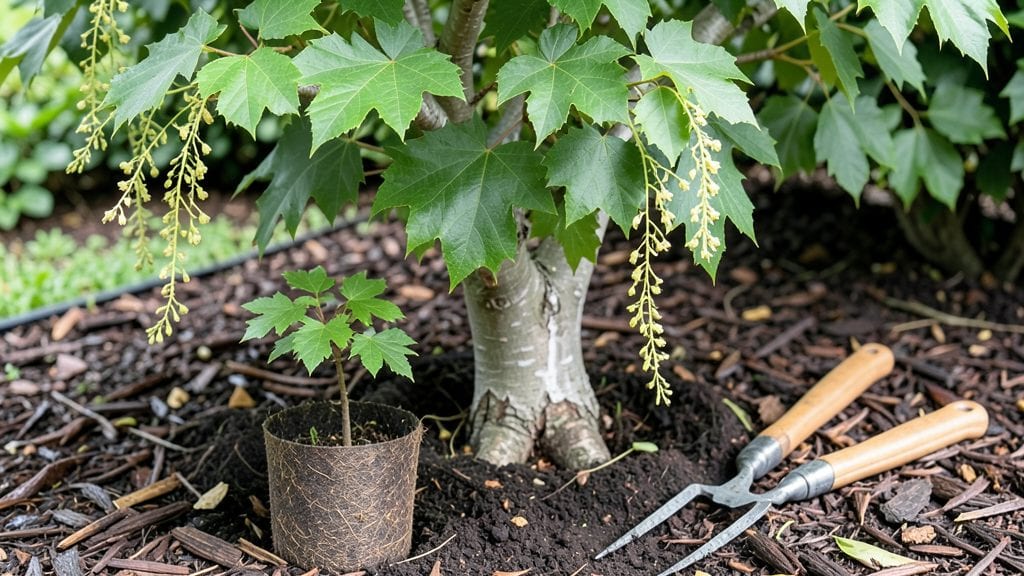
Planting trees in London isn’t just about digging a hole—it’s about choosing the right species, preparing for clay-heavy soil, and working with space that’s often smaller than you’d hope. 🌳 I’ve planted everything from silver birches to London plane trees, and the difference between a thriving urban tree and one that struggles comes down to three key moves: picking a species that handles both wet winters and dry summers, amending the soil properly, and giving it consistent water for the first critical year.
The biggest challenge in London isn’t the planting itself—it’s the city’s quirks. Tree Preservation Orders mean you can’t just dig up a tree willy-nilly, and clay soil drains like a plugged sink if you don’t loosen it first.
But here’s the good news: even small spaces can accommodate the right tree. My front yard’s London plane, planted just three years ago, now provides shade for my patio and attracts birds year-round. The secret? Matching the tree to the spot—sun-loving species in south-facing areas, moisture-tolerant ones near downspouts.
By the time you’re done, you’ll have a tree that grows strong roots, handles London’s unpredictable weather, and even helps with air quality. The first year is all about patience—watering deeply once a week (unless it rains) and mulching to keep moisture in.
Within three years, you’ll see that tree standing tall, doing its part to make the city a little greener. And the best part? You’ll be the one who planted it.
This works for backyards, front gardens, or even community plots—just check local regulations first. London’s climate is tough, but with the right approach, your tree will thrive. Let’s get those roots in the ground.
📚 In This Guide
- What you need
- Instructions
- Tips and common mistakes
- Wrapping up and next steps
What you need
- ● Tree sapling: Choose a native species (e.g., London plane, silver birch, or hawthorn) from a local nursery. Size: 1–3 feet tall, with a sturdy root ball.
- ● Shovel: A digging spade (16–18 inches wide) for breaking ground and a hand trowel (8–10 inches) for fine adjustments.
- ● Garden gloves: Heavy-duty, waterproof gloves to protect your hands from thorns and soil.
- ● Mulch: 3–4 inches of wood chips or compost (avoid fresh wood mulch—it can harm roots).
- ○ Watering can or hose: A 5-gallon capacity for young trees; a soaker hose is optional but ideal for deep hydration.
- ○ Tree stake & ties (optional but recommended): A 1-inch diameter stake (cut to 4–5 feet tall) and soft fabric ties to support the tree until it establishes roots.
- ● Pruning shears: Bypass pruners (for shaping the tree post-planting).
- ● Measuring tape: To ensure proper spacing (typically 3–5 times the tree’s mature width from buildings/walls).
- ● Soil amendment (if needed): Compost or peat-free organic matter to improve clay-heavy London soil.
- ○ Tree guard (optional): A plastic or metal spiral guard to protect young trunks from pests.
- ● Permit (check local rules): Some London boroughs require approval for planting near roads or pavements—verify with your blank">local council!
Step-by-Step guide for planting trees in London’s climate
London’s unpredictable weather demands smart planning—here’s how to plant trees that thrive year-round.
🌱 Step 1: Choose the Right Tree for London’s Conditions
London’s varied microclimates mean some trees struggle while others thrive. Opt for native species like field maple or London plane, which handle the city’s air pollution and seasonal swings. Avoid trees with shallow roots like willows—they’ll fight with sidewalks and drainage systems.
Check the mature height and spread before buying. A 20-foot tree planted too close to a house will outgrow its space within a decade. Measure your space and compare with the tree’s projected size. For small gardens, dwarf varieties like columnar apple or ornamental cherry work beautifully.
🪴 Step 2: Prepare the Planting Hole and Soil
Dig a hole twice as wide as the root ball but no deeper—this prevents soil compaction around roots. Loosen the sides of the hole with a fork to encourage root spread. London’s clay soil drains poorly, so amend the native soil with 3 inches of compost mixed into the bottom and sides of the hole.
Place the tree in the hole so the top of the root ball sits 1-2 inches above ground level. This prevents waterlogging during heavy rains. Tap the soil gently around the roots to remove air pockets, then water deeply to settle everything. Avoid compacting the soil—roots need air as much as water.
☀️ Step 3: Plant at the Best Time for London’s Weather
Spring or autumn are ideal—March to May or September to November—when temperatures are mild and rainfall is steady. Summer planting risks drought stress, while winter planting exposes roots to freezing. If planting in summer, water twice weekly for the first month to compensate for heat.
Remove the tree from its container and tease apart any circling roots with your fingers. London’s windy conditions demand sturdy support—install a stake only if needed (young, top-heavy trees like silver birch). Use a soft tie to secure the tree without girdling the trunk. Mulch with 3 inches of organic mulch (like bark chips) to retain moisture and regulate soil temperature.
💧 Step 4: Water and Monitor for Early Signs of Stress
Water deeply once a week for the first six months, ensuring moisture reaches 12 inches down. London’s clay soil stays wet on the surface but can be bone-dry below. Use a soil probe to check moisture levels—if it’s dry at 4 inches, water again. Avoid overhead sprinklers, which waste water and spread disease.
Watch for yellowing leaves or wilting—common signs of over- or under-watering. If leaves curl in hot weather, the tree may need dappled shade for a few weeks. Prune only dead or crossing branches in the first year; let the tree focus on root establishment. London’s air pollution can scorch leaves, so mist foliage lightly during heatwaves.
⏰ Step 5: Protect and Maintain Long-Term Growth
After the first year, reduce watering to once every two weeks unless there’s a prolonged dry spell. London’s urban heat island effect means trees near buildings may need extra care. Apply a slow-release fertilizer in spring to support growth, but avoid heavy feeding—London’s soil is often nutrient-rich enough.
Check the stake annually and remove it after two years to prevent girdling. Prune in late winter (February) to shape the tree and remove deadwood. Keep the mulch layer 2-3 inches thick but 6 inches away from the trunk to avoid rot. With proper care, your tree will establish strong roots and thrive for decades in London’s climate.
Tips & tricks for perfect tree planting in London
London’s climate can make or break your tree-planting success, so here are the key tricks to ensure your new tree thrives for years to come.
Soil Preparation is Everything: London’s heavy clay soil needs special attention. Beyond the 3 inches of compost mentioned in Step 2, consider adding a handful of sand or perlite to improve drainage—this helps prevent waterlogging, especially after heavy rains. I’ve seen roots rot when planted in pure clay without amendments. Also, avoid compacting the soil around the roots—use your hands to gently pat it in, not your feet!
The Right Tree for the Right Spot: In Step 1, measuring your space is critical, but don’t forget to consider sunlight patterns. London’s buildings create microclimates—some spots get sun only in summer, while others stay shaded year-round. Observe your garden for a few days before planting. For example, a London plane thrives in full sun, while a field maple does well in partial shade. Matching the tree to its future environment prevents stress and failure.
Watering Wisdom for London’s Weather: The deep watering once a week for six months (Step 4) is spot-on, but here’s the secret: water in the early morning. This gives roots time to absorb moisture before the day’s heat evaporates it. I’ve noticed trees watered in the evening develop fungal issues from prolonged dampness. Also, if you’re using a soil probe, check moisture at 4 inches deep—surface moisture can be misleading with London’s clay.
Mulch Like a Pro: The 3 inches of organic mulch in Step 3 is perfect, but keep it 6 inches away from the trunk to prevent rot. I like to use bark chips because they break down slowly and improve soil structure over time. Replenish the mulch layer annually—it breaks down faster in London’s damp climate. This simple step regulates soil temperature and retains moisture, cutting your watering needs by up to 30%!
Pro Tips for Tree Planting London
- London’s climate can make or break your tree-planting success, so here are the key tricks to ensure your new tree thrives for years to come.
- Soil Preparation is Everything: London’s heavy clay soil needs special attention.
- The Right Tree for the Right Spot: In Step 1, measuring your space is critical, but don’t forget to consider sunlight patterns.
Frequently asked questions
Got questions about planting trees in London’s unique climate? Here are some answers to help you grow strong, resilient trees all year round—whether you're a beginner or a seasoned gardener.
When is the best time to plant trees in London?
The ideal window is late autumn to early spring (November–March), when the ground isn’t frozen and trees are dormant. This gives roots time to establish before summer heat. Pro tip: Bare-root trees (sold without soil) must be planted immediately after purchase!
How often should I water a newly planted tree?
Water deeply once a week for the first year, giving the soil a good soak (about 10–15 gallons). London’s clay soil drains slowly, so mulch helps retain moisture. Reduce watering in winter unless there’s a prolonged dry spell.
Can I plant trees in London’s small urban spaces?
Opt for dwarf or columnar varieties (like ‘Fastigiata’ hornbeam) or use container planting for balconies. Check local guidelines—some areas restrict large trees near sidewalks. Pro tip: Root barriers can protect nearby foundations!
What pests should I watch for in London’s climate?
Common culprits include aphids, vine weevils, and box tree moths. Inspect leaves regularly, and use organic sprays (neem oil) or biological controls first. London’s mild winters mean pests linger longer—act fast to avoid infestations.
How do I protect my tree from London’s urban pollution?
Choose pollution-tolerant species like London plane trees or silver birch. Apply mulch and mycorrhizal fungi to boost root health. Washing leaves with water (especially in summer) can reduce dust buildup—just avoid harsh chemicals.
What if my tree isn’t thriving after planting?
Check for poor drainage, compacted soil, or root girdling (roots circling the trunk). Loosen soil gently, add compost, and ensure the tree isn’t planted too deep. If in doubt, consult a local arborist—London’s soil can be tricky!
Wrapping up and next steps
Planting trees in London isn’t just about greening up the city—it’s a powerful way to fight climate change, boost biodiversity, and create healthier neighborhoods. Whether you’re a seasoned gardener or just starting out, every tree makes a difference! 🌱
Ready to take action? Start small—plant a single tree in your garden, join a local initiative, or even volunteer with organizations like Tree Museum or London Tree Officers Association. Your effort will grow into something beautiful, both for London and for future generations.