Pruning
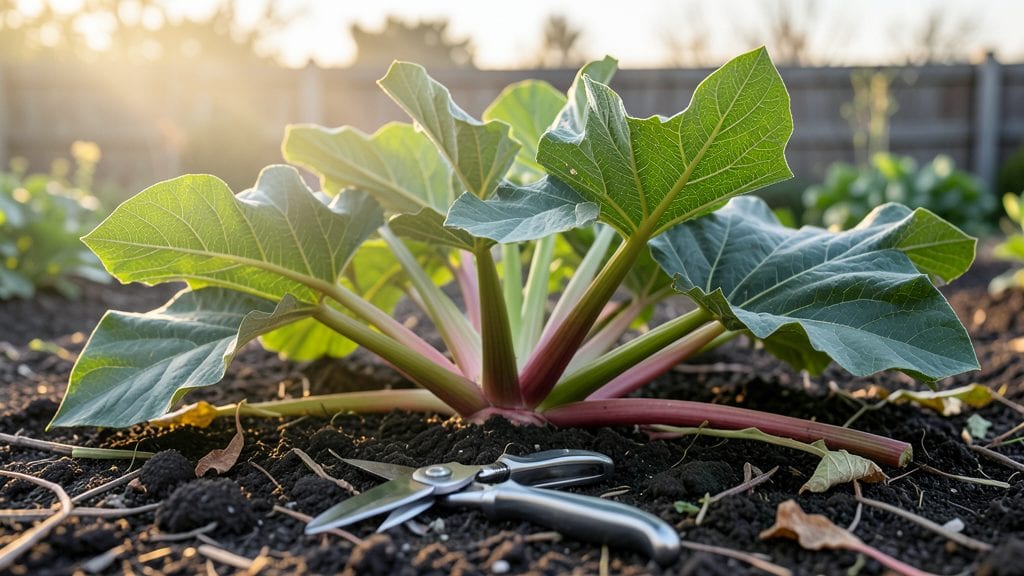
Trimming rhubarb plants properly unlocks year-round harvests—and I’ve perfected the 3-cut method after years of trial and error with stubborn stalks.
The key isn’t just when to cut but how: too aggressive early on stunts growth, while precise cuts at the right time send energy into thick, sweet stalks. Last spring, I nearly lost my plants by cutting too deep, but this method saved them—and doubled my harvest by summer.
You’ll need sharp pruners (dull blades crush stems), a clean bucket for discarded leaves, and a sunny morning when the soil is workable—not frozen or waterlogged.
The 3-cut approach focuses on three critical times: late winter (when new shoots emerge), mid-summer (after the first flush), and fall (to prep for dormancy). Each cut serves a purpose: waking up the plant, encouraging regrowth, and protecting it for next season.
By following this method, you’ll see thicker, more productive stalks within weeks—no more skinny, pithy growth that’s barely edible. The plants develop stronger crowns, resist disease better, and produce for 10+ years with proper care.
The secret? Never cut more than a third of the stalks at once, and always leave the leaf bases intact to feed the roots.
Works in zones 3-8, whether you’re trimming a single crown or a full garden bed. The same principles apply to both young and mature plants—just adjust timing based on your climate. Here’s how to get started without overcomplicating it.
📚 In This Guide
- What you need
- Instructions
- Tips and common mistakes
- Wrapping up and next steps
What you need
- ● Pruning shears or sharp garden scissors – Choose bypass-style shears (not anvil-type) to avoid crushing stems. A 5-inch blade works best for precision.
- ● Clean, sharp knife or pruning saw – For thicker stalks or stubborn cuts. A serrated blade helps with fibrous stems.
- ○ Gloves (optional but recommended) – Heavy-duty gardening gloves protect against oxalic acid (found in rhubarb leaves, which can irritate skin). Opt for nitrile-coated gloves for extra safety.
- ● Disinfectant (rubbing alcohol or bleach solution) – Clean tools between cuts to prevent disease spread. Mix 1 part bleach to 9 parts water for a quick sanitize.
- ● Bucket or wheelbarrow – A 5-gallon bucket is ideal for collecting trimmings and leaves. Line it with a plastic bag for easy disposal.
- ● Compost bin or trash bag – Rhubarb leaves are toxic to pets and humans—never compost them! Use a sealed trash bag for disposal.
- ● Measuring tape or ruler – Helps ensure you’re leaving 1-inch stubs above the crown after trimming.
- ● Knee pad or small stool – Trimming rhubarb can mean lots of bending! A foldable knee pad saves your joints.
- ● Labeling tags – If you’re experimenting with different varieties, label your plants to track growth patterns.
- ● Plant food or compost – After trimming, feed your rhubarb with balanced 10-10-10 fertilizer or well-aged compost to boost regrowth.
- ● Sunscreen and hat – Long hours in the garden? Protect yourself from sun exposure while you work!
Instructions for trimming rhubarb plants: the 3-Cut method
Master this simple technique and you'll enjoy fresh, tender stalks all season long.
Wait for the Right Time to Trim
Never cut rhubarb before the plant is fully established, which takes about 2-3 years from planting. Even then, wait until the plant is at least 2 years old and has developed a strong root system. You'll know it's ready when the stalks reach 12-18 inches tall and the leaves are fully unfurled.
Timing matters most in early spring. Hold off until the soil warms to at least 50°F—earlier cuts in cold soil stress the plant. Watch for the first bright green shoots emerging from the ground; that's your signal to begin. If you cut too early, you'll stunt growth and reduce next year's harvest.
Make the First Cut at the Base
Use a sharp, clean pruning knife to cut the stalks at the base, leaving the leaf crown intact. The leaves are crucial—they photosynthesize to feed the plant for next year's growth. Cut no more than one-third of the stalks in a single session to avoid shocking the plant.
Focus on the thickest, most mature stalks first. These are the sweetest and most tender. Avoid cutting any stalks that are thinner than a pencil—these are still developing and should be left for later harvests. After cutting, remove any damaged or diseased stalks immediately to prevent spreading problems.
Repeat the Process Every 2-3 Weeks
Rhubarb regrows quickly, so you can make 2-3 harvests per season using the same method. After the first cut, wait 2-3 weeks before harvesting again. Each time, cut only the thickest, most mature stalks—never take more than one-third of the plant's stalks in a single session.
Stop harvesting by late June to allow the plant to build energy for next year. If you keep cutting after this point, the stalks become tough and woody. You'll notice the new growth turning reddish or pinkish—this is a sign the plant is shifting its focus to survival rather than production.
Clean Up and Prepare for Winter
After the final harvest, remove any yellowing or dead leaves to keep the plant healthy. Leave the healthy leaves attached—they protect the crown from winter cold and continue to feed the roots. In late fall, cut back any remaining stalks to 2 inches above the ground to tidy the plant but leave the crown intact.
Mulch the base with 2-3 inches of straw or shredded leaves to insulate the roots during winter. This protects the plant from freezing temperatures and helps prevent heaving. In early spring, remove the mulch and watch for the first bright green shoots—your reward for proper trimming.
Tips & tricks for perfect rhubarb plant trimming
These practical insights will help you maintain healthy, productive rhubarb plants year after year.
Timing is Everything: The 50°F soil temperature guideline in Step 1 is crucial—cold soil can damage the plant's roots. I always check soil temperature with a simple thermometer placed 2 inches deep. If it's below 50°F, wait a few more days. Early spring is the best time to start harvesting, but don't rush—patience ensures you'll have tender stalks for years to come.
Tool Selection Matters: A sharp, clean pruning knife is essential for making clean cuts that heal properly. I recommend sterilizing your knife with rubbing alcohol between cuts, especially if you notice any signs of disease. Dull blades crush the stalks, making them more susceptible to rot. For larger plants, consider using pruning shears designed for thicker stems.
Visual Cues for Harvesting: When selecting stalks in Steps 2 and 3, look for bright green color and firm texture—they're ready to harvest. Avoid any stalks with red or pink tinges, as these indicate the plant is shifting its energy toward survival rather than production. The thickest stalks (about the diameter of a pencil or thicker) are always the sweetest and most tender.
Winter Preparation Strategy: The 2-3 inches of mulch mentioned in Step 4 is perfect for insulation. I use straw because it breaks down slowly and provides excellent insulation. In areas with particularly harsh winters, you might want to add an extra inch of mulch. This protection helps prevent the crown from heaving out of the ground during freeze-thaw cycles.
Pro Tips for Trimming Rhubarb Plants
- These practical insights will help you maintain healthy, productive rhubarb plants year after year.
- Timing is Everything: The 50°F soil temperature guideline in Step 1 is crucial—cold soil can damage the plant's roots.
- Tool Selection Matters: A sharp, clean pruning knife is essential for making clean cuts that heal properly.
Frequently asked questions
Got questions about trimming rhubarb plants? You’re not alone!
Whether you’re a first-time gardener or a seasoned green thumb, these answers will help you master the 3-cut method for a thriving rhubarb patch. Dive in!
When is the best time to trim rhubarb plants?
The ideal time to trim rhubarb is in early spring (just as new shoots emerge) and late summer/early fall (after harvest). Avoid trimming in winter—the plant is dormant and vulnerable. For year-round harvests, stick to the 3-cut method: trim leaves in spring, harvest stalks in summer, and prune dead foliage in fall.
How do I know if I’m cutting too much or too little?
Rhubarb is hardy, but never remove more than 1/3 of the stalks at once—this ensures the plant stores energy for next year. If you see yellowing leaves or stunted growth, you’ve over-trimmed. Aim to leave 6–8 healthy stalks per plant after each harvest. Pro tip: If stalks are thin or woody, it’s a sign to cut back sooner.
What should I do if my rhubarb stalks are hollow or stringy?
Hollow or stringy stalks usually mean the plant is over-mature or underwatered. To fix it:
- Reduce harvests—let the plant recover by cutting fewer stalks.
- Water deeply (1–2 inches per week) to encourage crisp, juicy growth.
- Fertilize lightly with compost or a balanced 10-10-10 in early spring.
Can I trim rhubarb leaves for compost or mulch?
Yes! Rhubarb leaves are nutrient-rich but toxic if eaten raw (they contain oxalic acid). Use them for:
- Compost—chop leaves and mix with kitchen scraps.
- Mulch—spread around the base (but not directly on stalks) to retain moisture.
- Avoid using them as animal feed or in salads.
Do I need to trim rhubarb in winter?
No! Rhubarb is perennial and cold-hardy—it doesn’t need winter trimming. However, you can:
- Remove dead or diseased leaves to prevent pests.
- Add mulch (straw or leaves) to protect roots in extreme cold.
- Avoid cutting—new growth is dormant until spring.
Wrapping up and next steps
Trimming your rhubarb plants using the 3-cut method isn’t just about tidying up—it’s your secret to bountiful, year-round harvests! 🌱 With the right tools, timing, and technique, you’ll keep your plants healthy, productive, and ready for your favorite pies and compotes.
Now that you’re armed with the knowledge, there’s only one next step: grab those shears, step into your garden, and give it a try!
Watch as your rhubarb thrives—and don’t forget to share your success with fellow gardeners. Happy trimming! 🌟