
Pruning
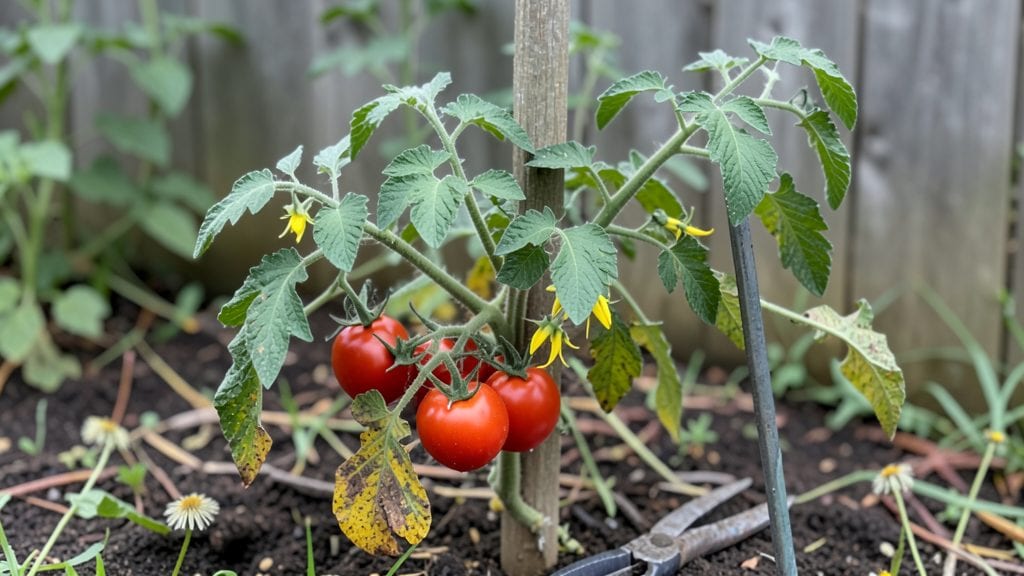
Watch this video of pruning tomato plants to double your harvest—here’s exactly how I’ve turned my sprawling vines into productive, disease-free powerhouses. 🌱 The key isn’t just cutting branches; it’s knowing when and where to make those snips for the biggest, ripest tomatoes of the season.
I’ve pruned everything from cherry tomatoes to beefsteaks, and these tricks work every time.
You’ll need sharp pruners, a sturdy ladder (for tall plants), and about 30 minutes once the plants hit 18 inches tall. The goal is to remove suckers—those little shoots growing between the stem and branches—while keeping the main stem strong.
This isn’t rocket science, but skipping it means fewer fruits and more crowded, disease-prone foliage.
After pruning, your plants will focus energy on fruit production instead of leaf growth, leading to heavier, sweeter tomatoes by late summer. The air circulation improves too, so those dreaded fungal spots stay away.
Watch the video to see exactly where to cut—it’s easier than it looks, and the payoff is worth it.
Works for both determinate (bush) and indeterminate (vining) tomatoes, whether you’re growing in pots or the ground. Once you master this, you’ll never let a tomato plant go unpruned again. Let’s get those shears sharp and those vines trimmed!
📚 In This Guide
- What you need
- Instructions
- Tips and common mistakes
- Wrapping up and next steps
What you need
- ● Pruning shears or sharp bypass pruners – Choose sterilized, sharp ones (avoid dull tools that crush stems). Size: 5–7 inches for precision.
- ○ Gloves – Heavy-duty gardening gloves (protect against thorns and dirt). Optional: Nitrile-coated for extra grip.
- ● Disinfectant (70% isopropyl alcohol or bleach solution) – 1 part bleach to 9 parts water. Why? Prevents disease spread!
- ● Small trash bag or bucket – For collecting pruned debris (1–2 gallons). Pro tip: Line with a plastic bag for easy disposal.
- ○ Stake or tomato cage (if needed) – 6–8 feet tall for indeterminate varieties. Optional: Twine (3–4 feet) for tying.
- ● Hand lens or magnifying glass – Spots pests or diseases early (10x magnification recommended).
- ○ Plant growth regulator (optional) – Like Seaweed extract or kelp meal to boost recovery after pruning.
- ● Camera or smartphone – Capture your progress! (Bonus: Compare before/after harvests.)
- ● Knee pad or stool – Because gardening is hard work! 😅
Step-by-step tricks for pruning tomato plants
Here's how I prune tomato plants to boost yields—no fancy tools, just sharp eyes and steady hands.
✂️ Step 1: Identify and Remove Suckers Early
Suckers are those little shoots growing between the main stem and branches. They steal energy from your fruit. I start checking for them when plants hit 18-24 inches tall. Use your thumb and forefinger to gently pinch them off at the base—no need to cut, just twist. If you miss one, it’ll grow into a thick branch that weakens the plant.
Work on a dry morning when plants are firm. Wet leaves make suckers slippery, and you’ll end up tearing stems instead of clean removals. Focus on the lower third of the plant first—those suckers drain resources that could go to ripening fruit.
✂️ Step 2: Thin Overcrowded Foliage
Once your plant has 3-4 main stems, it’s time to thin leaves. Remove any that shade the lower fruit clusters—you want sunlight and air circulation. I start at the bottom and work upward, stripping leaves that block light from reaching the fruit. Aim to leave 12-18 inches of bare stem below each cluster.
Use clean pruners for this step. Dirty blades spread disease, and tomatoes are sensitive to fungal issues like early blight. Snip just above a leaf node (where leaves grow) to encourage new growth. Never leave stubs—always cut cleanly to prevent rot.
☀️ Step 3: Prune for Airflow and Light Penetration
After thinning, step back and check for gaps in the canopy. If branches are too dense, more pruning is needed. My goal is to let sunlight reach the center of the plant and air circulate freely. Focus on the lower canopy first—this prevents soil-borne diseases from splashing onto leaves.
Watch for yellowing leaves at the base. These are a sign of overcrowding or disease. Remove them immediately. If you see brown spots or wilting, that’s your cue to prune more aggressively. Healthy plants should have green leaves all the way to the top with just a few lower leaves naturally yellowing from age.
⏰ Step 4: Time Pruning for Maximum Growth
Prune in the morning when plants are hydrated but not sweating. Avoid pruning after heavy rain or in hot afternoons—stressed plants are more vulnerable to pests. I stop pruning 4-6 weeks before the first frost to let the plant focus on ripening existing fruit instead of new growth.
If your tomatoes are flowering but not fruiting, prune lightly to redirect energy. Remove only the most aggressive suckers and avoid heavy thinning. You’ll see new flowers within 7-10 days if the plant is healthy. Keep an eye on the fruit—if it’s already heavy, reduce pruning to avoid dropping blossoms.
🌿 Step 5: Maintain and Monitor Progress
After your first pruning session, check plants weekly for new suckers. I like to do a quick scan while watering—it’s a great way to catch problems early. If you see new growth, pinch it off immediately. The more you stay on top of it, the less work you’ll have later.
Pay attention to the plant’s response. If it looks stressed (wilting, yellowing, or dropping leaves), you’ve pruned too much. Healthy tomatoes should bounce back within 2-3 days of pruning. If not, cut back on future sessions. The goal is balance—prune enough to improve airflow and light, but not so much that the plant can’t support itself.
Tips & tricks for pruning tomato plants
Here's what nobody tells you about pruning tomato plants—these tricks make all the difference between a decent harvest and a bumper crop.
Timing is Everything: The 18-24 inch height mark for removing suckers is your first critical checkpoint. I've learned the hard way that waiting too long means those suckers become thick, woody branches that rob energy from your fruit. Once your plant reaches this height, make it a habit to check weekly—new suckers grow fast, especially in warm weather.
Leaf Placement Matters: When you're creating that 12-18 inch bare stem below each fruit cluster in Step 2, think vertically. The lower leaves should be gone by the time your first fruit sets. This isn't just about sunlight—it's about preventing soil-borne diseases from splashing up onto your fruit when you water. I always remove the lowest leaves first, then work my way up as the plant grows.
Pruning Tool Intelligence: Your thumb and forefinger work great for suckers, but for the 3-4 main stems and leaf thinning, invest in a pair of clean, sharp pruners. I keep a small bottle of rubbing alcohol handy to wipe them down between plants—this prevents spreading fungal diseases like early blight. The key is to make clean cuts just above a leaf node, not tear the stems. Between us, I've ruined more tomato plants with dirty pruners than anything else.
Stress Signals: If your plant looks stressed after pruning—wilting, yellowing leaves, or dropping blossoms—you've likely gone too far. Healthy tomatoes should bounce back within 2-3 days of a good pruning. If they don't, cut back on future sessions. The goal is to create balance: enough airflow and light for disease prevention, but not so much that the plant can't support itself. Think of it like giving your plant a haircut—you want a stylish look, not a buzz cut!
Pro Tips for Video Of Pruning Tomato Plants
- Here's what nobody tells you about pruning tomato plants—these tricks make all the difference between a decent harvest and a bumper crop.
- Timing is Everything: The 18-24 inch height mark for removing suckers is your first critical checkpoint.
- Leaf Placement Matters: When you're creating that 12-18 inch bare stem below each fruit cluster in Step 2, think vertically.
Frequently asked questions
Got questions about pruning tomato plants?
You’re not alone—this step can feel tricky at first! Below, we’ve tackled the most common queries to help you prune like a pro and maximize your harvest.
Why should I prune my tomato plants at all?
Pruning directs energy toward fruit production instead of excessive foliage. It improves airflow, reducing disease risk (like blight) and boosting sun exposure for bigger, sweeter tomatoes. Indeterminate varieties (like vine tomatoes) benefit most, but even determinate (bush) types can use light pruning for better yields!
When is the best time to prune tomato plants?
Start pruning 2–3 weeks after transplanting and continue weekly if needed. Avoid pruning during flowering or fruiting—wait until the plant has recovered from stress. Early morning is ideal to prevent stress from midday heat. Stop pruning 4–6 weeks before your first frost to let the plant harden off.
What’s the difference between suckers and leaves I should remove?
Suckers
are the small shoots growing in the "V" between a stem and a branch—always remove these to maintain plant structure. Lower leaves (within 12 inches of the ground) can go too, but leave upper leaves (above fruit clusters) to protect developing tomatoes from sun scald. Yellow or diseased leaves should be pruned immediately!
Can I prune tomato plants in hot or humid weather?
Pruning in hot (above 90°F) or humid conditions stresses plants, slowing recovery. If you must, do it early in the morning and water deeply afterward. In humid climates, prioritize airflow—prune aggressively to prevent fungal diseases like early blight. Wait for cooler days (60–75°F) if possible.
What if I skip pruning—will my tomatoes still grow?
Yes, but your yield and fruit quality may suffer! Unpruned plants often produce smaller, fewer tomatoes and are more prone to pests/diseases. However, determinate varieties (like Roma or Celebrity) tolerate pruning less—focus on removing only lower leaves and diseased foliage for these types.
Pro Tip:
Use sterilized pruners (wipe with rubbing alcohol) to avoid spreading disease. Compost diseased leaves separately—don’t add them back to your garden! And if your plant looks overwhelmed, prune gradually over 2–3 sessions instead of all at once.
Wrapping up and next steps
Pruning your tomato plants isn’t just about keeping them tidy—it’s a game-changer for bigger, healthier harvests! 🌱 With the right techniques and a little patience, you’ll transform those vines into fruit-bearing powerhouses.
Whether you’re a first-time gardener or a seasoned pro, every snip brings you closer to a bountiful table.
Ready to put your new skills to work? Grab those shears and start pruning today! Then, watch your plants thrive—and don’t forget to share your progress (or your delicious tomatoes) with fellow gardeners. Happy growing! 🍅✨