
Watering
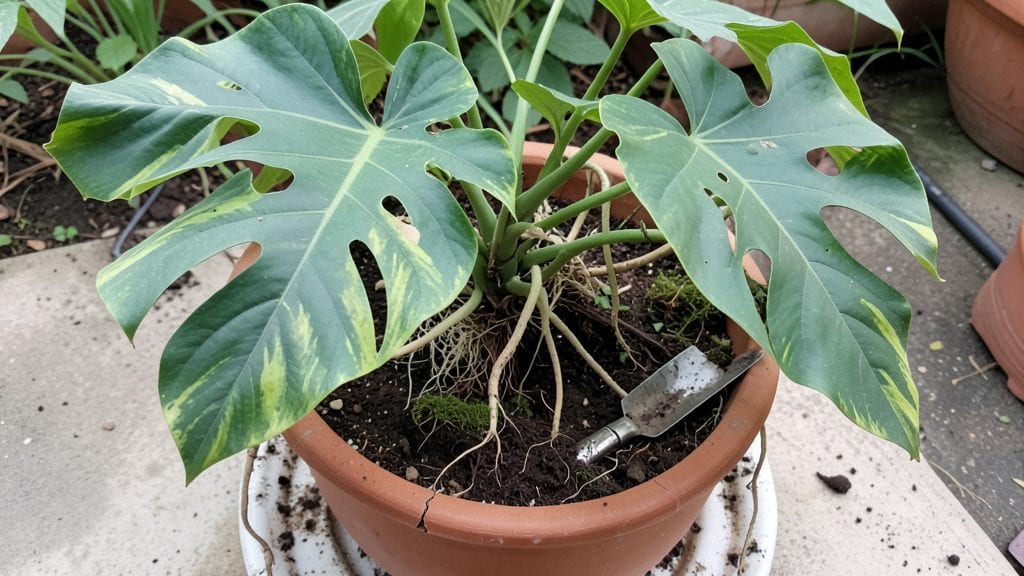
Watering potted plants isn’t about following a schedule—it’s about keeping soil moist without turning roots into soggy soup. 🌱 I’ve drowned more plants than I’d like to admit, but I learned the hard way that the right moisture balance makes all the difference.
The trick? Understanding what your plants actually need instead of guessing.
Start by checking soil moisture with your finger—stick it an inch deep, and if it feels dry, it’s time to water. Pot size matters too: smaller containers dry out faster, while larger ones hold moisture longer.
And don’t forget, sandy soil drains quickly, while clay holds water like a sponge. A moisture meter or the old "lift-and-check" method works just as well.
You’ll know you’re doing it right when leaves stay vibrant, not yellow or crispy. Overwatering causes root rot, while underwatering leads to wilting—both are silent killers.
Adjust for seasons: plants drink more in summer and less in winter. A self-watering system or saucer with pebbles can help maintain that perfect balance.
Even experienced gardeners slip up—like ignoring drainage holes or watering on a schedule instead of by need. But once you master these basics, your potted plants will thrive year-round, no matter the weather. Let’s get those roots happy!
📚 In This Guide
- What you need
- Instructions
- Tips and common mistakes
- Wrapping up and next steps
What you need
- ● Watering can (5–10 gallon capacity, with a rose nozzle for gentle watering)
- ● Potted plants (with drainage holes—non-negotiable!)
- ● Water (room-temperature, chlorine-free if possible—let tap water sit for 24 hours)
- ○ Moisture meter (digital or analog, for accuracy—optional but highly recommended)
- ● Saucer or tray (to catch excess water and prevent root rot)
- ● Timer or phone reminder (to track watering schedules)
- ● Self-watering planters (for travel or forgetful waterers!)
- ● Mulch or pebbles (to retain moisture and regulate soil temperature)
- ● pH testing kit (to ensure soil isn’t too acidic or alkaline)
- ● Spray bottle (for misting delicate plants like ferns or succulents)
- ● Drip irrigation kit (for automated, precise watering)
Step-by-Step guide to watering potted plants perfectly
Mastering moisture balance ensures lush, healthy plants without drowning roots or letting them dry out.
💧 Step 1: Check Soil Moisture Before Watering
Stick your finger 1 inch deep into the soil—this is where roots actively absorb water. If it feels dry, it's time to water. If damp, wait another day. I always check the same spot each time to track moisture patterns accurately. Overwatering is the silent killer of potted plants, so resist the urge to water on a schedule.
For heavier potting mixes, the top 2 inches may stay dry while moisture lingers below. Use a moisture meter if you're unsure—these $10 tools take the guesswork out of hydration. Remember, most plants prefer slightly drier soil than soggy conditions. You'll see wilting leaves as a late warning sign, but yellowing or mushy stems mean you're already too late.
🪴 Step 2: Water Deeply Until Drainage Begins
Place your pot in the sink and water until water flows freely from drainage holes. This ensures roots at all levels get hydration, not just the surface. I use a watering can with a narrow spout to direct the stream precisely where it's needed. Pouring from above creates runoff that never reaches the roots.
Let the pot drain completely—don't leave it sitting in standing water. After 5-10 minutes, check the soil again. If water still drips out, you've hit the sweet spot. Most plants need ½ to 1 cup of water per watering, depending on pot size. Larger containers hold more moisture and need less frequent watering.
☀️ Step 3: Adjust Watering Based on Light Exposure
Plants in bright, sunny windows dry out faster and need water every 5-7 days. Those in dim corners may only need water every 10-14 days. Check soil moisture first—don't assume based on location. I keep a small notebook by my plants to track when I water each one and note any changes in their environment.
Succulents and cacti are the exception—they thrive on neglect. Water these only when the soil feels completely dry all the way through, which could be every 3-4 weeks in winter. Overwatering kills them faster than underwatering ever could. You'll know you've got the balance right when their leaves stay plump and vibrant, not wrinkled or translucent.
⏰ Step 4: Establish a Consistent Routine
Water at the same time each day—morning is ideal because plants can drink deeply before evening heat causes evaporation. I set my phone alarm for 8 AM on watering days to build this habit. Consistency helps roots develop predictable moisture patterns, making your plants more resilient.
Rotate your pots occasionally so all sides get even light exposure. This prevents one side from drying out faster than the other. You'll notice leaves growing toward the light—this is your cue to rotate. Most houseplants need a quarter turn weekly to maintain balanced growth. A simple routine prevents the "one-sided" look that ruins a plant's symmetry.
🌱 Step 5: Observe and Adjust for Seasonal Changes
In winter, when indoor heat dries the air, you may need to water 20-30% less frequently. Plants go dormant naturally, slowing their water needs. I reduce watering by half during December and January unless I see crispy leaf edges signaling thirst. Summer heat increases evaporation, so monitor soil moisture more closely.
Watch for signs of overwatering: yellow leaves, mold on soil surface, or a sour smell. These mean you're drowning your plants. Underwatering shows as dry, crispy leaf edges or leaves that fall off easily. Adjust your schedule based on what you see—your plants will tell you what they need if you pay attention. With practice, you'll develop an instinct for when to water and when to hold back.
Tips & tricks for perfect watering potted plants
Here's what nobody tells you about keeping your potted plants perfectly hydrated without the guesswork.
Finger Test Refinement: In Step 1, when checking soil moisture, press your finger gently into the soil. If it comes out clean, that's your cue to water. If it feels damp but not soggy, wait one more day. I've learned that sandy soil dries out faster than clay mixes—adjust your schedule accordingly. For tropical plants, the soil should feel like a wrung-out sponge, not a damp towel.
Drainage Hack: After watering in Step 2, place your pot on a saucer or tray to catch excess water. Empty any standing water after 5-10 minutes—never let your plants sit in water. I keep a small towel handy to wipe up any spills, as residual moisture can lead to root rot. This simple step prevents the most common indoor plant killer.
Light Exposure Logic: Step 3's 5-7 day rule for sunny spots works perfectly, but here's the secret: monitor your plants' growth patterns. If you notice new leaves growing toward one side, rotate your plant immediately. This ensures even moisture distribution and prevents one-sided drying. I've saved multiple plants from this common oversight.
Seasonal Adjustments: The 20-30% reduction in winter mentioned in Step 5 is crucial, but don't forget about humidity levels. In dry winter months, you might need to water slightly more frequently than usual. I keep a small humidifier nearby during winter to help maintain consistent moisture levels without overwatering.
Pro Tips for Watering Potted Plants
- Here's what nobody tells you about keeping your potted plants perfectly hydrated without the guesswork.
- Finger Test Refinement: In Step 1, when checking soil moisture, press your finger gently into the soil.
- Drainage Hack: After watering in Step 2, place your pot on a saucer or tray to catch excess water.
Frequently asked questions
Got questions about keeping your potted plants happy and hydrated? You’re not alone! Here are answers to the most common concerns—no guesswork needed.
How often should I water my potted plants?
It depends! Check the top inch of soil—if it’s dry, it’s time to water. Most potted plants need water every 5–7 days, but succulents may go 2–3 weeks between drinks. Overwatering is riskier than underwatering, so when in doubt, wait a day.
Why are my plant leaves turning yellow or crispy?
Yellow leaves often mean overwatering (root rot), while crispy edges signal underwatering or dry air. Check the soil: soggy = cut back; bone-dry = water deeply. Adjust your schedule and ensure pots have drainage holes to prevent soggy roots.
Can I use tap water for my potted plants?
Most plants tolerate tap water, but if yours is hard (high mineral content) or chlorinated, it’s best to let it sit out for 24 hours. Rainwater or filtered water is ideal for sensitive plants like orchids or calatheas. Pro tip: Use a watering can with a filter if tap water is your only option.
What’s the best time of day to water potted plants?
Water in the early morning (6–10 AM) to let foliage dry before evening. Avoid watering at night—it can encourage fungal growth. For desert plants (like cacti), water in the late afternoon to mimic natural rain cycles.
How can I tell if my potted plant is thirsty?
Look for these signs:
- Wilted leaves (temporary droop = thirsty; permanent = overwatered).
- Lightweight soil—lift the pot; if it’s feather-light, water it.
- Dull or crispy leaf edges (underwatering) vs. yellowing leaves (overwatering).
Wrapping up and next steps
Mastering the art of watering potted plants is all about observation, consistency, and love—your green friends will thank you with lush, vibrant growth! 🌱 By now, you’ve learned how to check soil moisture, adjust for seasonal changes, and avoid common pitfalls like over- or under-watering.
Remember, every plant is unique, so trust your instincts and tweak your routine as needed.
Ready to put your new skills into action? Start small: Pick one plant this week and track its progress with your finger or a moisture meter. Soon, you’ll be a pro at keeping your potted pals happy, healthy, and thriving—one sip of water at a time! 💧✨