
Fertilization
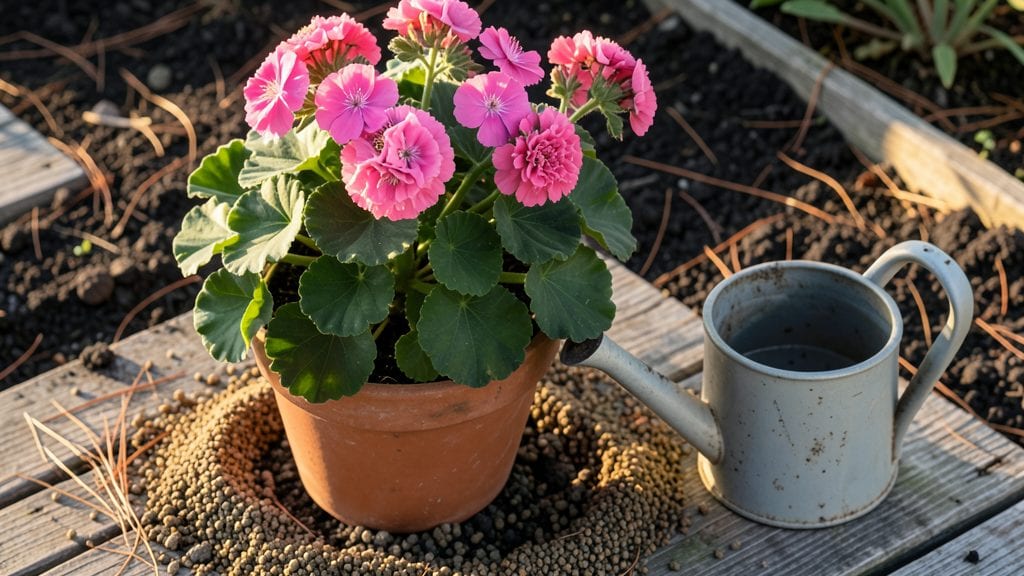
Plant food isn't just about throwing nutrients at your garden—it's about precision.
The three core nutrients (nitrogen for leaves, phosphorus for flowers, potassium for roots) work together to keep plants thriving, but the real magic happens in how they're delivered. 🌱 Organic options like compost break down slowly, feeding plants over time, while synthetic fertilizers provide an instant boost.
I always check the NPK ratio (like 10-10-10) to match my plants' needs—veggies need more nitrogen, while bloomers crave phosphorus.
Timing matters too. Spring is prime for feeding most plants, but heavy feeders like tomatoes might need a mid-season top-up. Overdoing it can burn roots or cause salt buildup in soil, so I start with half the recommended dose and watch for leaf discoloration as a warning sign.
💡 In This Article
- Key Nutrients in Plant Food and Their Roles
- Choosing the Right Plant Food for Your Garden
Key nutrients in plant food and their roles
At the heart of plant food are the three primary macronutrients: nitrogen (N), phosphorus (P), and potassium (K), which work like a biochemical trio to fuel growth.
Nitrogen acts as the plant's growth hormone, driving leafy green biomass—think of it as the fuel for photosynthesis, where plants convert sunlight into energy. A deficiency shows up as yellowing leaves (chlorosis), while excess causes lush but weak foliage that's prone to pests.
Phosphorus, often called the "flower power" nutrient, strengthens root systems and triggers blooming by activating enzymes in energy transfer pathways. Potassium, meanwhile, regulates water uptake and disease resistance by maintaining cell membrane integrity.
The magic happens in the NPK ratio printed on fertilizer bags, like 10-10-10 or 5-10-5. This tells you the percentage of each nutrient by weight—so a 10-10-10 fertilizer contains 10% nitrogen, 10% phosphorus, and 10% potassium, with the rest being inert fillers.
For example, leafy greens thrive on 30-10-10 ratios, while flowering plants need 10-20-20 to produce vibrant blooms.
Micronutrients like iron and magnesium play supporting roles: iron carries oxygen in plant cells (deficiency causes yellowing between veins), while magnesium is the center of chlorophyll molecules—without it, leaves turn yellow even if nitrogen is abundant.
Beyond macronutrients, the delivery method dramatically affects plant response. Slow-release fertilizers (like coated granules or organic compost) dissolve gradually, feeding plants over 3-6 months and reducing leaching risks. Fast-acting options (liquid fertilizers or soluble powders) provide immediate nutrients but require frequent reapplication—ideal for container plants or quick fixes.
The key difference lies in how nutrients reach roots: slow-release mimics natural decomposition, while fast-acting delivers a concentrated shot, similar to how a marathon runner needs sustained energy versus a sprinter's quick burst.
Here's what's actually happening at the cellular level: When plants absorb nitrogen, it forms amino acids—the building blocks of proteins that create new cells. Phosphorus helps convert these proteins into usable energy (ATP), while potassium acts as a gatekeeper, controlling how water and nutrients move in and out of cells.
This trio ensures plants can photosynthesize efficiently, resist stress, and produce flowers or fruit. For instance, tomatoes with a balanced NPK ratio of 5-10-10 develop stronger stems and more fruit than those fed only nitrogen-rich food, which prioritizes leaf growth over fruiting.
Don't overlook micronutrients—they're like the plant's vitamins. Calcium strengthens cell walls, sulfur builds proteins, and zinc aids in seed formation. A deficiency in any of these can cause stunted growth or deformed leaves, even if NPK levels are perfect.
For example, magnesium deficiency (often called "lime-induced chlorosis") turns older leaves yellow because magnesium is mobile in the plant—it gets "stolen" from older leaves to support new growth.
Testing soil pH is crucial here: acidic soils (pH 6.0) lock out phosphorus, while alkaline soils (> pH 7.5) reduce iron availability.
Understanding these interactions helps you troubleshoot plant problems. If your roses aren't blooming but have lush green leaves, they're likely nitrogen-happy but phosphorus-starved. Switch to a 5-10-5 fertilizer and watch the flowers appear in 4-6 weeks.
The goal is balance—just like a chef wouldn't add salt without considering sugar, you shouldn't feed nitrogen without phosphorus and potassium to support the structure that holds up those leaves. 🌿