
Trees
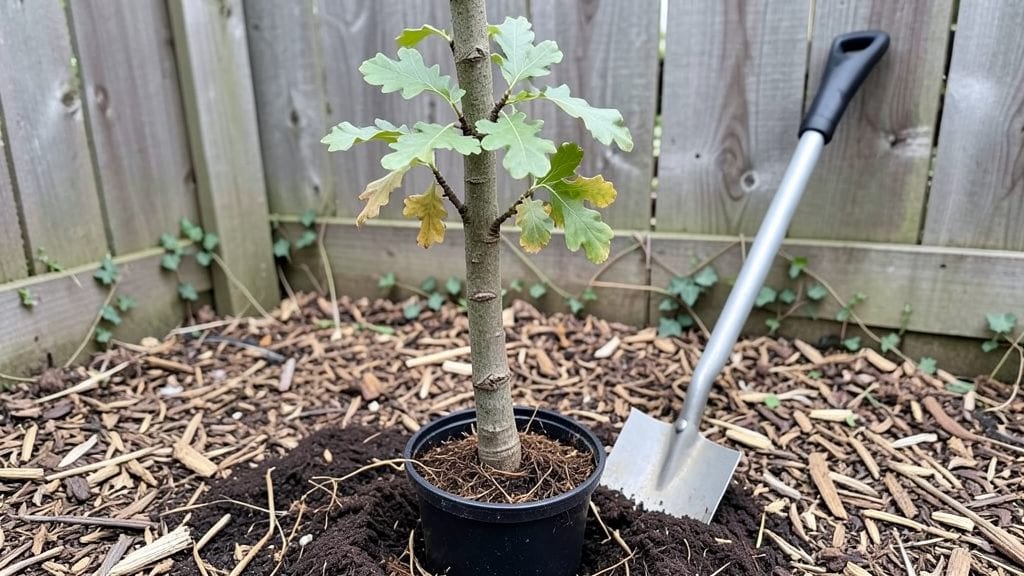
To plant trees in fall, aim for mid-September through early November when soil warmth and cooling air create ideal conditions for root establishment before winter. Deciduous trees thrive in this window, while evergreens should go in slightly earlier, and frost must never arrive before planting.
Fall planting works because the cooler air reduces stress on young trees while still maintaining warm soil—perfect for root development. 🌳 I’ve seen firsthand how trees planted in this window often outperform spring plantings, thanks to their head start on establishing roots before dormancy.
The key is avoiding late-season planting when frost threatens, as cold snaps can stunt growth or even kill tender new roots.
For best results, focus on soil prep too—loosen the ground, mix in compost, and ensure proper drainage. This gives roots the space and nutrients they need to spread deeply before winter sets in.
Evergreens, being more sensitive to cold, should go in the earliest part of this window to avoid winter burn.
💡 In This Article
- Fall Tree Planting Timeline by Climate Zones
- Preparing Soil and Site for Fall Tree Success
Fall tree planting timeline by climate zones
Understanding your USDA hardiness zone determines your exact planting window because temperature fluctuations directly impact root growth. In Zone 3 (coldest regions like Minnesota or Montana), aim for late August through mid-October—soil temps stay above 50°F while air cools, giving roots 6-8 weeks to establish before frost.
Meanwhile, Zone 8 (warmer areas like Texas or Florida) extends the window to October through early December, where soil remains warm longer but nights grow cooler.
The magic happens when soil stays above 40°F—this temperature range prevents root shock while allowing microbial activity to break down organic matter for nutrient uptake. 🌱 In Zone 5 (Midwest), this translates to mid-September to early November, while Zone 7 (Appalachia) can stretch to mid-November if frost isn't forecasted.
Evergreens like spruces or pines need the earliest window (August-September) because their needles transpire moisture year-round, making them vulnerable to winter desiccation.
Cooler fall air reduces transplant shock by lowering water loss through leaves—something deciduous trees handle beautifully as they prepare for dormancy. The 60-day rule applies here: Trees need 60 days of warm soil before first frost to establish roots.
In Zone 4, this means planting by October 1st; in Zone 6, you might push to November 15th. This timing also avoids spring's competing weeds and pests that can outcompete young trees.
What most people overlook is how soil temperature lags behind air temperature. Even when nights dip below freezing, 6-12 inches of soil may stay above 45°F—perfect for root growth. Use a soil thermometer to verify: Roots need 50°F+ soil to grow actively.
In Zone 9 (California), you can plant into December because Mediterranean climates have mild winters, but always check frost dates.
Consider these zone-specific adjustments for maximum success:
- Zones 3-4: Plant bare-root trees in late August-September for best cold tolerance
- Zones 5-6: Container-grown trees can handle October-November planting
- Zones 7-8: Evergreens planted after October 15th risk winter burn
Pro tip: In Zone 10 (tropical areas), fall planting coincides with the dry season—water deeply 2-3 times per week for the first month to compensate for reduced rainfall.
The key is matching your planting date to when your local soil stays warm enough for 60 days of uninterrupted growth before winter slows everything down. 🌿