
Plants
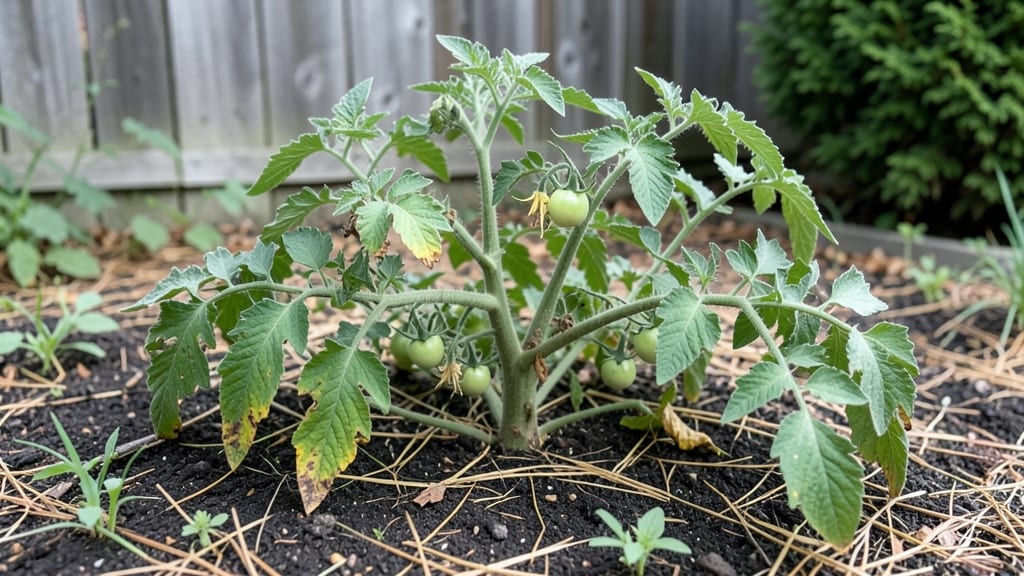
See that sudden wilt in the plant? 🌱 That droopy look isn’t always a death sentence—it’s often a cry for help you can fix fast.
I've nursed back more than my share of sad-looking lettuce, kale, and spinach by spotting the real cause (overwatering? pests? heat stress?) and acting on it. The key is figuring out whether your plant needs a drink, shade, or a complete rescue plan.
Most wilting stems from one of three things: too much water drowning roots, too little leaving them parched, or environmental stress like sudden heat or wind. Leafy greens like Swiss chard and arugula wilt fastest when their roots can't keep up with the plant's thirst.
Start by checking the soil—if it's bone dry two inches down, water deeply. If it's soggy, hold off and improve drainage instead.
You'll see revival within hours if the cause was simple dehydration or temporary stress. For stubborn cases, trim yellowed leaves to redirect energy, and move the plant to a spot with morning sun and afternoon shade.
The goal is to get those leaves perky again without overcorrecting—leafy greens bounce back faster than you'd expect when you address the root problem.
This works for container-grown greens, in-ground beds, or even potted herbs on your windowsill. The same principles apply whether you're dealing with a single sad plant or a whole tray of seedlings. Let's turn those limp leaves into lush growth again—step by step.
Root Causes Behind Plant Wilting
Wilting isn’t just a sign of a plant’s distress—it’s a cry for help from your leafy greens. Understanding the why behind wilting is the first step to revival. Below, we break down the key culprits, backed by science, so you can diagnose and fix the problem like a pro.
Wilting can be a paradox: too much water actually suffocates roots by cutting off oxygen. When soil stays soggy, roots drown, unable to absorb nutrients or water efficiently. This triggers wilting as the plant’s vascular system (xylem) struggles to transport fluids upward.
How it happens:
- Compacted or clay-heavy soil holds excess moisture, leading to root rot (a fungal infection that blocks water uptake).
- Lack of drainage holes in pots traps water, mimicking a swampy environment.
- Overzealous watering (e.g., daily soaks) drowns roots faster than they can recover.
🔍 Quick test: Stick your finger 1–2 inches into the soil. If it’s damp but not soggy, you’re likely overwatering. If it’s bone-dry, the plant may be thirsty—but wilting from overwatering often comes with yellowing leaves (not just drooping).
Plants are temperature-sensitive. When exposed to scorching sun or freezing nights, their cells lose turgor pressure—the internal water pressure that keeps stems rigid. This causes leaves to flop like overcooked noodles.
How it happens:
- Heat stress: High temperatures (above 90°F/32°C) increase transpiration (water loss through leaves) faster than roots can replenish it. The plant wilts midday but may recover at night.
- Cold stress: Frozen soil or chilly nights (below 50°F/10°C) slow root activity, starving leaves of water. Some plants (like basil) permanently wilt if exposed to frost.
🌿 Pro tip: If wilting happens daily in the afternoon, it’s likely heat-related. Move potted plants to shadier spots or use mulch to insulate roots.
A healthy root system is your plant’s lifeline. Damage from physical injury, pests, or pathogens disrupts water absorption, leading to wilting—even if the soil is moist.
How it happens:
- Mechanical damage: Rough handling (e.g., repotting too aggressively) or compacted roots (from being root-bound) restrict water flow.
- Pests: Root-knot nematodes or grubs chew on roots, reducing surface area for absorption.
- Fungal/bacterial infections: Root rot (from Phytophthora or Pythium) or vascular wilt (from Fusarium) clog xylem vessels, blocking water transport.
🚨 Warning sign: Wilting that doesn’t improve with water + mushy, black roots = likely disease. Isolate the plant and sterilize tools to prevent spread.
Wilting can also stem from malnutrition. While water is the obvious fix, lack of key nutrients (or too much fertilizer) throws a plant’s physiology off balance.
How it happens:
- Potassium deficiency: This mineral regulates stomatal function (pores that control water loss). Without it, leaves wilt and crisp at the edges.
- Magnesium deficiency: Affects chlorophyll production, leading to yellowing between veins (a classic sign of chlorosis) and reduced water uptake.
- Salt buildup: Over-fertilizing or using tap water high in chlorine/fluoride creates a hypertonic soil solution, forcing roots to work harder to absorb water—eventually leading to osmotic stress and wilting.
📊 Fix it: Flush the soil with distilled water to remove salts, and amend with balanced fertilizer (look for NPK ratios like 10-10-10).
Moving plants—even indoors—can trigger wilting as a survival mechanism. When roots are disturbed, they temporarily shut down to conserve energy, causing leaves to droop.
How it happens:
- Sudden light changes: Shifting from bright sun to shade (or vice versa) confuses the plant’s photosynthesis rhythm, leading to water imbalance.
- Wind or drafts: Strong airflow dries leaves faster than roots can supply water, causing desiccation wilting.
- Transplant shock: Newly repotted plants may wilt for 3–7 days as roots adjust to fresh soil.
🌱 Recovery hack: After repotting, mist leaves and place the plant in humid conditions (like a greenhouse or under a plastic bag) to reduce stress.
Revive Your Dying Plants Fast
Wilted leaves don’t mean the end of your green friend—often, they’re just calling for a little TLC. Whether your plant is drooping from thirst, stress, or disease, these targeted fixes will help it bounce back to its perky best.
Below, we’ve mapped the most common causes to step-by-step solutions, plus pro tips to keep your plants thriving long-term.
Signs: Dry, crispy edges or mushy stems; soil pulls away from the pot.
How to Revive:
- Check the Soil 🏺
- Stick your finger 1-2 inches deep—if it’s bone-dry, it’s thirsty. If it’s soggy, it’s drowning.
- Pro Tip: Use a moisture meter or the "squeeze test" (grab a handful—if water drips, it’s too wet).
- Adjust Your Watering Routine 💦 - Underwatered? Water deeply until it drains from the bottom. Let excess water escape (never let plants sit in saucers). - Overwatered? Stop watering immediately.
Move the plant to a shady spot and let the top 2 inches of soil dry out before watering again. - Prevention: Water when the top inch of soil feels dry (varies by plant—succulents need less, ferns more).
- Improve Drainage 🪴
- If your pot lacks holes, repot it into one with drainage. Add a layer of gravel or perlite at the bottom to prevent root rot.
Signs: Leggy stems, pale leaves, or leaves scorched by sun.
How to Revive:
- Move the Plant 🌿
- Burnt leaves? Shift to indirect light (east or north-facing windows).
- Stretched, weak growth? It’s craving more light. Try a south window or a grow light 6–12 inches away for 12–14 hours/day.
- Rotate for Even Growth 🌀
- Turn the pot quarter-turn weekly so all sides get equal light (prevents lopsided wilting).
- Adjust Humidity 🌡️
- Low humidity (common in dry climates) causes leaf edges to crisp. Use a pebble tray or humidifier near the plant.
Signs: Sudden wilting, yellowing, or brown patches; often near AC vents or drafty windows.
How to Revive:
- Find the Goldilocks Zone 🔥❄️ - Most plants thrive in 65–75°F (18–24°C).
Keep them away from: - Cold drafts (AC, open windows in winter). - Hot spots (radiators, direct sunlight through glass). - Quick Fix: Move the plant to a stable spot (like a bookshelf or plant stand).
- Avoid Sudden Changes 🌡️
- If moving outdoors, acclimate gradually (1–2 hours/day over a week) to prevent shock.
Signs: Sticky residue, holes, yellow spots, or moldy stems.
How to Revive:
- Identify the Culprit 🔍
- Aphids/spider mites? Wipe leaves with soapy water (1 tsp mild soap per quart of water).
- Fungal issues (powdery mildew)? Spray with a baking soda mix (1 tsp baking soda + 1 quart water + drop of soap).
- Isolate & Treat 🛡️
- Move the infected plant away from others to prevent spread.
- Prune damaged leaves with sterilized scissors (wipe with rubbing alcohol).
- Prevention: Water at the base (not leaves) and avoid overcrowding.
- Boost Immunity 💪
- Feed with diluted compost tea or a balanced fertilizer (half-strength) to help recovery.
Signs: Roots circling the pot, slow growth, or wilting despite proper watering.
How to Revive:
- Repot Gently 🌱
- Remove the plant, loosen tangled roots, and trim any black/mushy roots (healthy roots are white).
- Use fresh potting mix (add perlite for aeration) and a pot 1–2 inches larger than the old one.
- Fertilize Lightly 🌿
- Wait 2 weeks after repotting, then use a balanced fertilizer (like 10-10-10) every 4–6 weeks.
- Hormone Spray: Mix 1 tsp honey + 1 cup water and spray leaves to boost growth (natural fungicide + energy source).
- Root Soak: For severely wilted plants, submerge the roots in water for 10–15 minutes to rehydrate (works for houseplants like pothos or snake plants).
- Prune & Propagate: If the plant is beyond saving, snip healthy stems and propagate in water or soil!
Prevention Checklist ✅ ✔ Water consistently (but don’t drown). ✔ Monitor light and temperature like a plant parent. ✔ Inspect leaves weekly for pests. ✔ Repot every 1–2 years to refresh soil and roots.
With these fixes, your wilting plant will be back to its vibrant self in days—or even sprout new growth! 🌱💚
Frequently asked questions
Why does my plant wilt even when the soil feels moist?
This often means your plant is suffering from root stress or disease. Overwatering can cause root rot, where roots can't absorb water properly, or pests like nematodes may be damaging the roots. Check the roots—if they're mushy or black, repot with fresh soil and improve drainage.
Can I save a plant that wilts in the afternoon but recovers at night?
Yes! This is classic heat stress. Move your plant to a shadier spot or provide afternoon shade with a sheer curtain. Leafy greens like lettuce and spinach wilt easily in afternoon sun because they can't keep up with water loss. Mulching around the base also helps retain moisture.
How do I tell if my wilted plant needs water or less water?
Stick your finger 1-2 inches into the soil. If it's bone-dry, water deeply until it drains from the bottom. If it's damp but not soggy, hold off on watering—your plant may be overwatered. Yellowing leaves often signal overwatering, while crispy edges mean underwatering.
Will pruning help a severely wilted plant recover?
Pruning yellow or damaged leaves redirects the plant's energy to healthy growth. For leafy greens, snip off 1/3 of the wilted leaves and place the plant in bright, indirect light. This reduces stress and helps the plant focus on recovery. Just avoid cutting more than 25% at once to prevent shock.
Can wilting kill my plant if I ignore it?
Not always! Many plants wilt temporarily due to stress and recover within 24-48 hours with proper care. However, if wilting persists beyond 3-5 days or roots are rotting, the plant may not survive. Act fast by checking soil moisture, light, and pests—most wilting is reversible if caught early.