Diseases
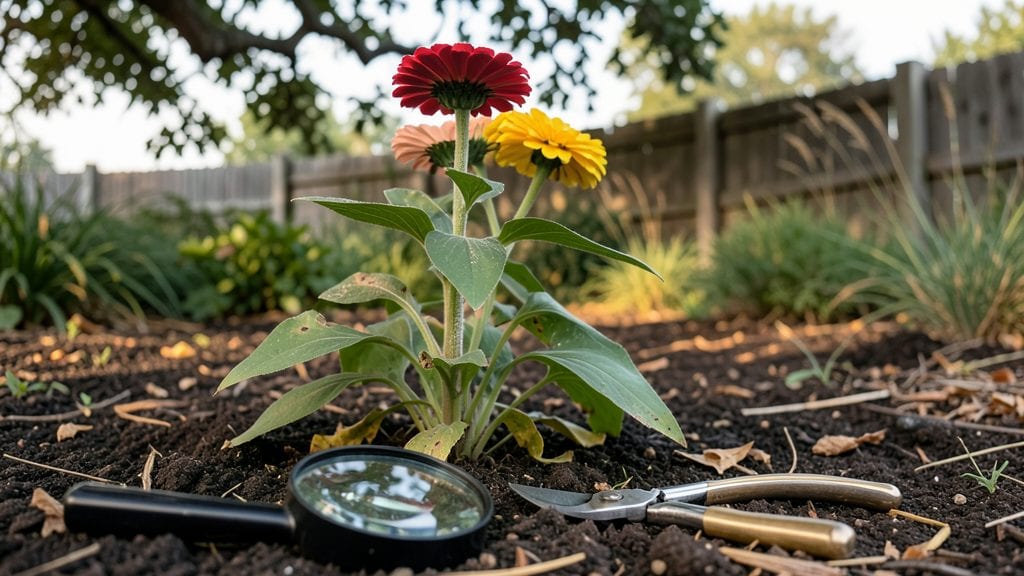
Zinnia plant diseases can turn your vibrant garden into a sad, spotted mess if you don’t catch them early. 🌱 I’ve seen healthy zinnias go from showstopper to sad in just a few weeks—powdery mildew, rust, and even bacterial spots can creep in when humidity and watering get out of control.
The good news? Most of these issues are preventable with the right habits.
Most zinnia diseases start with poor airflow or wet foliage—think crowded plants or overhead watering. I learned the hard way that spacing them 12-18 inches apart and watering at the base (not the leaves) cuts down on fungal trouble by 80%.
Even disease-resistant varieties like ‘Benary’s Giant’ or ‘Profusion’ need these basics to stay healthy.
When you spot the first signs—white powder, orange rust spots, or yellowing leaves—act fast. A mix of neem oil and baking soda spray (1 tsp each per quart of water) stops early infections cold. For stubborn cases, copper fungicide works, but prevention is always easier than cleanup.
This isn’t just about saving your zinnias—it’s about keeping your garden thriving. With the right spacing, watering, and a quick response to symptoms, you’ll enjoy those bold blooms all season long. Let’s get those plants fighting fit!
Root Causes of Zinnia Troubles
Zinnia diseases don’t just appear out of nowhere—they’re often the result of a perfect storm of environmental stress, poor growing conditions, or microbial invaders. Understanding why these issues arise is the first step to preventing them.
Below, we break down the key culprits behind zinnia plant diseases, from fungal infections to environmental triggers.
Zinnias thrive in open spaces, but when they’re planted too closely together, their leaves brush against one another, creating a humid microclimate. This trapped moisture is a golden ticket for fungal pathogens like Alternaria or Septoria, which love damp, stagnant air.
Why it happens:
- High humidity slows evaporation, keeping leaves wet longer—ideal for spore germination.
- Blocked airflow prevents sunlight from drying surfaces, prolonging moisture exposure.
- Debris buildup (fallen leaves, old petals) traps spores near plant bases, increasing infection risk.
Pro tip: 💡 Space zinnias 12–18 inches apart and prune regularly to improve airflow. If growing in containers, avoid overpotting—root-bound plants stress easily and become more susceptible.
Zinnias are drought-tolerant once established, but excessive or inconsistent watering throws their defenses off balance. Both overwatering and underwatering create stress that opens doors for pathogens.
Why it happens:
| Issue | How It Weakens Zinnias | Resulting Disease Risk |
|---|---|---|
| Overwatering | Soggy soil drowns roots, cutting off oxygen and promoting root rot (e.g., Phytophthora). | Fungal infections like Botrytis (gray mold) or Pythium. |
| Underwatering | Stressed plants close stomata to retain moisture, but this also traps heat and reduces disease resistance. | Bacterial leaf spot (Xanthomonas) or powdery mildew (Erysiphe) thrive in heat-stressed foliage. |
| Irregular watering | Fluctuating moisture levels crack soil, creating entry points for pathogens. | Soil-borne diseases like Fusarium wilt. |
Pro tip: 🌡️ Water deeply but infrequently—aim for 1 inch per week (more in extreme heat). Use drip irrigation or soaker hoses to avoid wetting leaves, which reduces fungal splash. Water in the early morning so foliage dries by evening.
Fungal diseases like powdery mildew or rust don’t just appear—they hitchhike on wind, tools, or even your shoes. Zinnias are especially vulnerable when grown in contaminated soil or near infected plants.
Why it happens:
- Previous infections: If zinnias or other plants (like marigolds or sunflowers) were diseased last season, spores may remain dormant in the soil for years.
- Wind and rain: Spores spread easily in humid, windy conditions, especially during monsoon seasons or after storms.
- Contaminated tools/garden debris: Pruners, gloves, or old mulch can carry spores from plant to plant.
Pro tip: ✨ Rotate crops—avoid planting zinnias in the same spot yearly. Sterilize tools with a 10% bleach solution (1 part bleach to 9 parts water) between uses. Remove infected plants immediately and dispose of them in the trash (not compost).
Zinnias love warmth, but sudden temperature swings—like hot days followed by cold nights—can weaken their natural defenses. Heat stress also increases plant sap stickiness, making them more attractive to pests that carry diseases.
Why it happens:
- Heat stress: Temperatures above 90°F (32°C) can scorch leaves, creating wounds where bacteria or fungi enter.
- Cold snaps: Early-season frosts or late-season chills stunt growth, leaving plants vulnerable to damping-off (a soil-borne fungal disease).
- Poor acclimation: Seedlings started indoors may struggle when transplanted to harsh outdoor conditions.
Pro tip: 🌡️ Hardening off seedlings gradually (expose them to outdoor temps for 1–2 hours daily over 1 week). Use shade cloth during heatwaves, and avoid planting zinnias until soil temps are consistently above 50°F (10°C). Mulch with straw or wood chips to moderate soil temperature.
Some zinnia diseases aren’t caused by fungi or bacteria directly—they’re spread by pests. Insects like aphids, thrips, or leafhoppers feed on plant sap and excrete honeydew, a sticky residue that fosters sooty mold and other fungal growths.
Why it happens:
- Honeydew buildup: Aphids and whiteflies leave behind sugar-rich droppings, which attract molds like Cladosporium.
- Physical damage: Chewing insects (e.g., Japanese beetles) create entry points for secondary infections.
- Viral vectors: Some pests (like leafhoppers) transmit zinnia mosaic virus while feeding.
Pro tip: 🔥 Monitor plants weekly for pests, especially on undersides of leaves. Use neem oil or insecticidal soap for mild infestations. Introduce beneficial insects like ladybugs or lacewings to control populations naturally.
How to Fix Zinnia Troubles
Zinnia plants are resilient, but when diseases strike, quick action can save your garden. Below are practical, step-by-step solutions for the most common fungal and bacterial issues, plus prevention tips to keep your zinnias thriving.
Whether you're dealing with powdery mildew, rust, or bacterial spots, these fixes will help you restore your zinnias to their vibrant best—without losing hope (or your favorite flowers!).
Cause: White, powdery fungus thrives in humid, shaded conditions. Fix: ✅ 🔥 Remove Infected Leaves – Snip off heavily mildewed foliage with sterilized scissors (wipe with rubbing alcohol between cuts). Dispose of debris in the trash (not compost). ✅ 🍳 DIY Fungicide Spray – Mix 1 tsp baking soda + 1 quart water + a few drops of dish soap (soapy water helps the solution stick). Spray underneath leaves (where spores hide) every 5–7 days until cleared. ✅ 👨🍳 Boost Airflow – Space plants 12–18 inches apart and prune nearby foliage to improve circulation. Avoid overhead watering—water at the base in the morning so leaves dry quickly.
💡 Pro Tip: Neem oil (1 tbsp per gallon of water) is a natural fungicide. Spray in the early morning or evening to avoid burning leaves.
Cause: Orange pustules on leaves weaken plants by blocking sunlight. Fix: ✅ 🔪 Prune Rusty Spots – Cut off all infected leaves (rust spores spread via wind and water). Burn or bag them—do not compost. ✅ 🥘 Copper Fungicide Treatment – Use a store-bought copper-based fungicide (like Bonide Copper Fungicide) or a homemade mix (1 tbsp copper sulfate per gallon of water). Apply every 10–14 days until new growth is rust-free. ✅ ⏰ Rotate Plant Locations – Rust thrives in the same soil year after year. Move zinnias to a new spot next season or plant them in raised beds with fresh, sterile soil.
💡 Pro Tip: Reflective mulch (like aluminum foil) around the base can reduce humidity near the soil, making it harder for rust spores to take hold.
Cause: Dark, water-soaked spots with yellow halos spread via splashing water. Fix: ✅ 🧼 Sterilize Tools & Hands – Wash pruners with rubbing alcohol before and after cutting. Wear gloves to avoid spreading bacteria. ✅ 🌧️ Adjust Watering Habits – Water only at the base in the early morning. Avoid late-day watering to prevent prolonged leaf wetness. ✅ 🎯 Chemical Defense – Use a copper fungicide (like Copper Soap) or a bacterial spray (e.g., Serenade Garden Disease Control). Apply every 7–10 days until symptoms fade. ✅ 🚫 Quarantine Severely Infected Plants – If spots are large and numerous, remove the plant entirely to prevent spread.
💡 Pro Tip: Solarize the soil (cover with clear plastic for 4–6 weeks in hot sun) to kill lingering bacteria before replanting.
The best cure? Stop problems before they start! Follow these easy habits to protect your zinnias:
- 🌿 Choose Resistant Varieties – Opt for disease-resistant zinnias like ‘Benary’s Giant’ or ‘Crystal’ hybrids.
- 🌞 Plant in Full Sun – Zinnias need 6+ hours of sunlight daily to dry quickly and resist fungi.
- 🌱 Rotate Crops – Avoid planting zinnias in the same spot year after year (wait 2–3 years before replanting).
- 🧹 Clean Up Debris – Remove dead leaves and spent blooms regularly to eliminate hiding spots for spores.
- 💧 Water Wisely – Use drip irrigation or soaker hoses to keep foliage dry.
Final Thought: With these targeted fixes, your zinnias can bounce back—stronger and more vibrant than ever. Stay vigilant, act fast, and soon you’ll be enjoying healthy, disease-free blooms all season long! 🌸💪
Frequently asked questions
What are the most common signs of zinnia plant diseases?
Watch for white powdery coatings (powdery mildew), orange rust spots (leaf rust), or dark, water-soaked lesions (bacterial spots). Yellowing leaves or stunted growth may also signal trouble. Check both leaf surfaces and stems—early detection is key to stopping spread.
Can I save zinnias already showing disease symptoms?
Yes, but act fast! Prune infected areas immediately with sterilized tools, then treat with neem oil or copper fungicide. For severe cases, isolate the plant and consider removing it entirely to prevent cross-contamination. Prevention (proper spacing, watering at base) is always easier than cleanup.
How do I prevent fungal diseases in zinnias?
Focus on airflow and dryness: Space plants 12-18 inches apart, water at soil level (not overhead), and prune regularly. Use reflective mulch to reduce humidity near the soil. Choose disease-resistant varieties like 'Profusion' or 'Crystal' for added protection.
Is it safe to compost zinnias affected by disease?
No—never compost infected plant material. Fungal spores and bacteria can survive composting and reinfect your garden. Bag diseased plants in sealed trash bags and dispose of them in outdoor trash bins instead. This prevents spreading pathogens to healthy plants.
What's the best time of day to water zinnias to prevent disease?
Water in the early morning (between 6-9 AM) when temperatures are cooler. This gives leaves 6-8 hours to dry before evening humidity sets in. Avoid watering at night, as prolonged moisture creates ideal conditions for fungal growth.