
How To
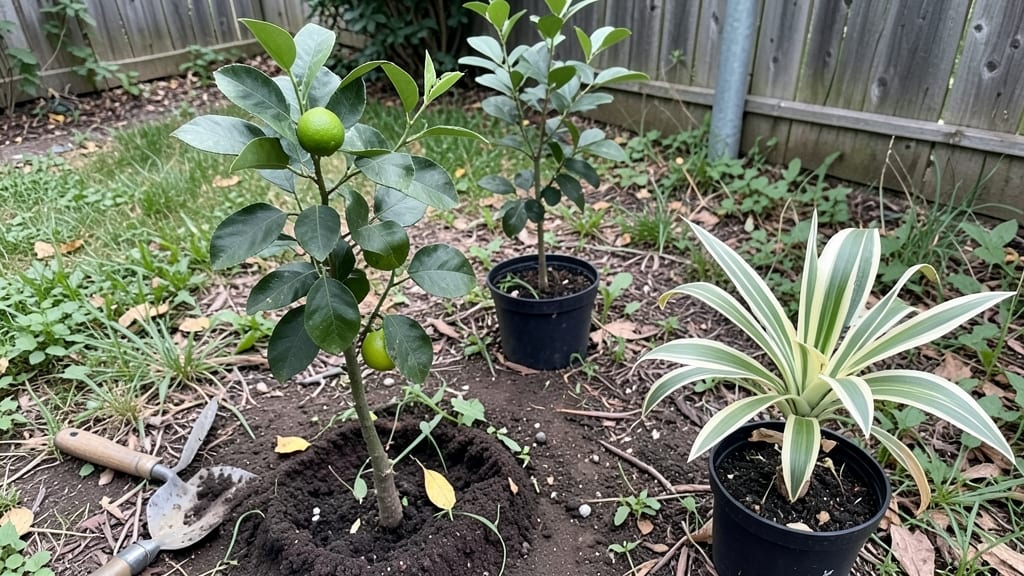
A 9B planting schedule aligns crops with Florida’s frost-free zone to maximize yields year-round, starting warm-season veggies like tomatoes in March, cool-season greens in September, and using succession planting for continuous harvests. Adjust timing based on local microclimates and rainfall patterns.
A 9B planting schedule works because Florida’s warm winters and long growing season eliminate traditional planting barriers. 🌱 Instead of seasonal limitations, you can grow nearly year-round with strategic timing—warm crops thrive in spring/fall while cool-season plants shine in summer’s cooler months.
The key is understanding your microclimate: coastal areas may handle heat better than inland regions, and rainfall patterns can shift planting windows by weeks. For example, I’ve seen okra planted in May in central Florida but delayed until June in drier north regions.
This system isn’t just about timing—it’s about continuous harvests. By staggering plantings every 2-3 weeks (like lettuce or radishes), you create an unbroken supply of fresh produce. I’ve found shade cloth essential for summer greens—it can turn a scorching July into prime planting time.
The beauty of 9B gardening is its adaptability: what works in Miami’s humidity might need adjustments in Gainesville’s drier air, but the core principle remains the same: work with nature’s rhythms, not against them.
💡 In This Article
- Florida 9B Climate Zones and Planting Windows
- Succession Planting Strategies for 9B Gardens
Florida 9B climate zones and planting windows
Florida's 9B climate zone creates a gardener's paradise because it offers 300+ frost-free days annually, with average winter lows rarely dipping below 40°F.
This extended growing season means you can plant warm-season crops like sweet potatoes and peppers year-round with proper care, while cool-season crops thrive during summer's naturally cooler months. The key mechanism here is Florida's subtropical climate, where temperature swings are minimal compared to northern zones.
For example, while Zone 5 gardeners face 120 frost-free days, Florida's 9B zone gives you nearly 2.5x more growing time—a game-changer for continuous harvests.
The planting windows are dictated by temperature thresholds rather than frost dates. Warm-season plants like tomatoes and okra need soil temperatures above 60°F to germinate, which typically occurs by March in most of Florida.
Meanwhile, cool-season crops such as broccoli and spinach prefer temperatures below 85°F, making September-October their ideal planting window.
The humidity factor can't be overlooked either—Florida's 80-90% relative humidity during summer favors heat-tolerant crops like sweet corn and eggplant, while drier winter months suit drought-resistant varieties like kale and Swiss chard.
What most people don't realize is how microclimates create local variations within the 9B zone. Coastal areas like Miami experience warmer winters (average lows of 55°F) compared to inland regions like Gainesville (45°F lows).
This means coastal gardeners can plant warm crops 2-3 weeks earlier in spring and extend fall plantings later. The humidity also plays a role in disease pressure—high moisture levels favor fungal diseases, which is why proper spacing and air circulation become critical in Florida's wetter months.
Here's how temperature ranges dictate your planting phases:
- Spring (March-May): Plant warm-season crops as soil warms above 65°F—think tomatoes, peppers, and cucumbers
- Summer (June-August): Focus on heat-tolerant varieties or use shade cloth for greens like lettuce and spinach
- Fall (September-November): Transition to cool-season crops as temperatures drop below 85°F—broccoli, cabbage, and carrots thrive
- Winter (December-February): Plant cold-hardy greens like kale and collards, or extend warm crops with row covers
The science behind this involves photosynthesis optimization. Plants in Florida's 9B zone experience consistent daylight hours (10-11 hours in winter) that support steady growth, unlike northern zones with dramatic seasonal light changes.
The long growing season also means you can overlap plantings—for example, planting tomatoes in March and again in September to create a 6-month supply from the same variety. This temporal diversity is what makes Florida's gardening so rewarding.
One advanced technique I've found particularly effective is seasonal crop rotation based on temperature preferences. For instance, planting okra in May (when soil hits 75°F) and spinach in October (when temps drop to 75°F) creates natural pest control cycles.
The heat-loving okra attracts different beneficial insects than the cool-loving spinach, reducing overall pest pressure in your garden ecosystem. 🌿