
Companion Plants
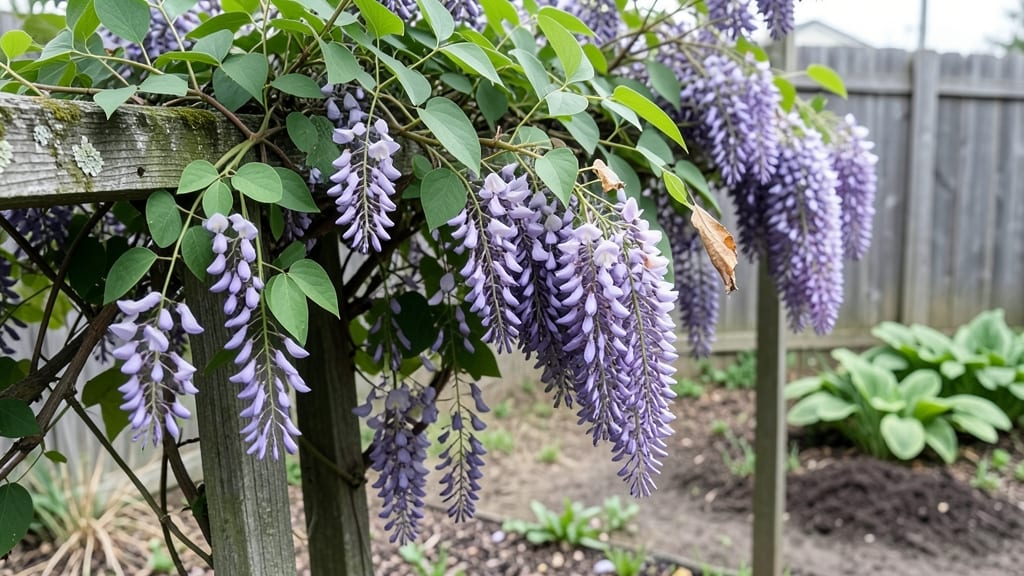
Growing amethyst wisteria plants means waking up to a purple waterfall of blooms that lasts from spring through summer. 🌿 I’ve watched mine climb a sturdy trellis, its deep lavender flowers dangling like nature’s chandeliers—something store-bought vines can’t match.
The secret isn’t just the right spot; it’s understanding how this vigorous climber needs support, patience, and just the right balance of sunlight and water.
You’ll need a strong trellis or arbor (think 10-15 feet tall) to handle its weight, well-draining soil mixed with compost, and a location with full sun to partial shade. Amethyst wisteria thrives where temperatures stay mild—it’s tough enough for zones 5-9 but needs winter protection in colder areas.
The first year is all about establishing roots, so hold off on heavy pruning until you see how it grows.
By summer, you’ll have fragrant cascades of blooms that attract hummingbirds and bees, plus glossy green leaves that stay lush even in heat waves. The key to keeping it productive? Pruning after flowering to shape the vines and remove dead wood.
I’ve learned the hard way that skipping this step leads to tangled, overgrown vines that struggle to bloom as heavily.
Even in small spaces, this wisteria adapts—just choose a dwarf variety if your yard is tight. The trade-off? More maintenance to keep it in check.
But once it’s established, it’s the kind of plant that makes neighbors stop and ask, “What is that?”—and the answer is always “My amethyst wisteria.”
📚 In This Guide
- What you need
- Instructions
- Tips and common mistakes
- Wrapping up and next steps
What you need
- ● Amethyst Wisteria Plant: 1-2 mature plants (3–5 feet tall, with established roots) or 3–5 young cuttings (6–12 inches long).
- ● Well-Draining Soil: 50% potting mix (for containers) or garden soil amended with compost (20–30%) and perlite/sand (10–15%) for drainage.
- ● Fertilizer: Slow-release granular fertilizer (10-10-10 or 20-20-20): 1–2 tbsp per plant (sprinkle around roots).
- ○ Organic option (optional): 1 cup worm castings or fish emulsion per plant (every 4–6 weeks).
- ● Support Structure: For containers: A trellis (4–6 feet tall) or obelisk (ensure it’s sturdy—wisteria can reach 10+ feet!).
- ● For ground planting: A permanent fence, arbor, or pergola (minimum 6 feet tall).
- ● Garden trowel or shovel (for planting).
- ● Pruning shears (sharp, sterilized—disinfect with rubbing alcohol between cuts!).
- ● Gloves (thick gardening gloves to protect from thorns).
- ● Watering can or hose with a gentle spray nozzle (wisteria hates soggy roots!).
- ○ Mulch (optional but recommended): 2–3 inches of wood chips or shredded bark (helps retain moisture and regulate soil temp).
- ● Sunlight: Full sun (6+ hours/day)—amethyst wisteria thrives in bright, direct light.
- ● Climate: Hardy in USDA Zones 5–9 (can tolerate light frosts but avoid heavy freezes).
- ● Space: Minimum 6 feet of vertical clearance (more if growing aggressively).
- ● Drainage: No standing water—wisteria roots rot easily in soggy soil.
Step-by-Step guide to planting and caring for amethyst wisteria
Here’s how to grow these stunning purple cascades with minimal fuss.
🌱 Step 1: Choose the Perfect Planting Spot
Amethyst wisteria thrives in partial shade to full sun—think dappled sunlight or morning sun with afternoon shade. Avoid harsh afternoon rays, which can scorch delicate leaves. I always check the spot for at least 4-6 hours of light daily, but never direct midday sun.
This vine loves well-draining soil and won’t tolerate soggy roots. If your garden soil is heavy clay, amend it with organic compost before planting. A slightly acidic to neutral pH (6.0-7.0) keeps the plant happy. Test your soil if unsure—amending now prevents future struggles.
🪴 Step 2: Plant with Support and Proper Spacing
Dig a hole twice as wide as the root ball but only as deep. Amethyst wisteria needs room to climb, so install a sturdy trellis, arbor, or pergola before planting. I use a 6-foot tall metal trellis for these vines—it’s lightweight but strong enough to support the weight as they mature.
Place the plant so the top of the root ball sits 1 inch below soil level. This prevents the stem from rotting while keeping roots anchored. Space 4-6 feet apart if planting multiple vines—they’ll spread and intertwine beautifully over time. Water deeply right after planting to settle the soil around the roots.
☀️ Step 3: Water and Fertilize for Lush Growth
Keep the soil evenly moist but not soggy for the first 4-6 weeks after planting. Water deeply 2-3 times per week, checking that the top 2 inches of soil feel dry before watering again. Overwatering is the fastest way to kill these vines—root rot sets in quickly.
Once established, reduce watering to once a week unless your area experiences extreme heat. Feed with a balanced, slow-release fertilizer in early spring and again after flowering. I swear by a 10-10-10 mix—it gives them just enough nutrients without overpowering the delicate blooms.
✂️ Step 4: Prune for Health and Abundant Blooms
Prune amethyst wisteria right after flowering to encourage next year’s blooms. Cut back one-third of the oldest stems to the base—this rejuvenates the plant and prevents overcrowding. Remove any dead, diseased, or crossing branches with clean, sharp pruners.
Never prune in late fall or winter—you’ll cut off next year’s flower buds. If your vine gets too leggy, trim back overly long stems by half. The goal is to maintain an open, airy structure so sunlight reaches all parts of the plant. You’ll see fuller growth and more blooms within a season.
🌿 Step 5: Protect and Maintain Year-Round
Amethyst wisteria is hardy in USDA zones 5-9, but young plants need winter protection in colder climates. Wrap the trellis or arbor in burlap and add a thick layer of mulch around the base to insulate roots. I’ve seen these vines survive 20°F winters with just this simple care.
Watch for aphids or spider mites—they love the tender new growth. Spray with neem oil at the first sign of pests. If leaves yellow, it’s usually overwatering—let the soil dry out more between waterings. With proper care, your amethyst wisteria will cascade with vibrant purple blooms for years.
Tips & tricks for perfect amethyst wisteria growth
These simple secrets will help you coax those breathtaking purple cascades from your amethyst wisteria with less stress and more success.
The Light Factor: In Step 1, when choosing your planting spot, pay attention to how sunlight moves throughout the day. I've learned the hard way that even a few hours of harsh afternoon sun can scorch those delicate leaves. If you're unsure about your spot, watch it for a day—morning sun with afternoon shade is ideal. The 4-6 hours of light should be gentle, not intense.
Support System: Don't skip Step 2's trellis installation! I've seen too many beautiful vines struggle because their support wasn't sturdy enough. For a 6-foot trellis, use something that can handle at least 20 pounds of weight—these vines get heavy when loaded with flowers. Metal trellises are my favorite because they won't rot, but wooden arbors work too if properly treated.
Watering Wisdom: The 4-6 week watering schedule in Step 3 is crucial, but timing matters just as much as amount. Always water in the morning so the foliage has all day to dry. Wet leaves at night invite fungal problems. And here's a trick I picked up: stick your finger 2 inches into the soil—if it feels dry, it's time to water. This simple check prevents both underwatering and the dreaded overwatering that causes root rot.
Pruning Pro Tip: When you're ready to prune in Step 4, mark the stems you'll be cutting back with a piece of twine or ribbon before you start. This visual cue helps you see the plant's structure better and ensures you're cutting back that one-third of oldest stems evenly. And remember—always use clean, sharp pruners. Dull blades can crush stems, making them more susceptible to disease.
Pro Tips for Amethyst Wisteria Plants
- These simple secrets will help you coax those breathtaking purple cascades from your amethyst wisteria with less stress and more success.
- The Light Factor: In Step 1, when choosing your planting spot, pay attention to how sunlight moves throughout the day.
- Support System: Don't skip Step 2's trellis installation!
Frequently asked questions
Got questions about growing amethyst wisteria? You’re not alone!
Here are answers to the most common queries about this stunning, low-maintenance plant—from care tips to troubleshooting—so you can enjoy its cascading purple beauty without stress.
How fast does amethyst wisteria grow, and how big will it get?
Amethyst wisteria grows moderately fast—expect 12–24 inches of new growth per year. With proper support (like a trellis or fence), it can reach 10–15 feet long when mature. Prune in late winter to control size and encourage bushier blooms. Pro tip: Train young vines early to avoid tangled messes later!
When is the best time to plant amethyst wisteria?
The ideal planting window is early spring or fall, when temperatures are mild (50–70°F). Avoid planting in summer heat or winter frost, as roots need time to establish. If you’re in a warm climate, fall planting gives roots a head start before summer dormancy. Bonus: Mulch heavily after planting to retain moisture.
How often should I water amethyst wisteria, and does it need special soil?
Water deeply 1–2 times per week for the first year, then taper to weekly waterings once established. This drought-tolerant beauty thrives in well-draining soil—amend heavy clay with compost or sand. It tolerates partial shade to full sun, but blooms most abundantly in morning sun + afternoon shade. Watch out: Overwatering causes root rot!
What pests or diseases should I watch for with amethyst wisteria?
This hardy plant is pest-resistant, but keep an eye out for:
- Aphids (suck sap; blast off with water or use neem oil).
- Spider mites (in dry heat; increase humidity).
- Powdery mildew (white fungus; improve airflow).
Can I grow amethyst wisteria in containers, or does it need to be planted in the ground?
Yes! It thrives in large containers (15+ gallons) with drainage holes, making it perfect for patios or balconies. Use a light, airy potting mix and repot every 2–3 years. Container hack: Train vines to climb a vertical garden or trellis for a stunning vertical display.
What are some great companion plants for amethyst wisteria?
Pair it with:
- Low-growing perennials (e.g., heuchera or hostas) to contrast its height.
- Climbing roses for a romantic, layered look.
- Ferns or ivy to soften its structure.
Wrapping up and next steps
Growing amethyst wisteria plants is a rewarding journey that brings vibrant purple cascades to your garden year-round—with the right care and patience! Whether you’re drawn to their stunning blooms or their companion-planting benefits, these beauties thrive when given the ideal conditions.
Now that you’re equipped with the essentials, it’s time to roll up your sleeves and watch your garden transform.
Ready to take the next step? Start by selecting a sunny spot in your garden or container setup, then plant your amethyst wisteria with confidence. Before you know it, you’ll be enjoying a lush, purple paradise that turns heads and fills the air with fragrance. Happy gardening! 🌸🌿