
Planting
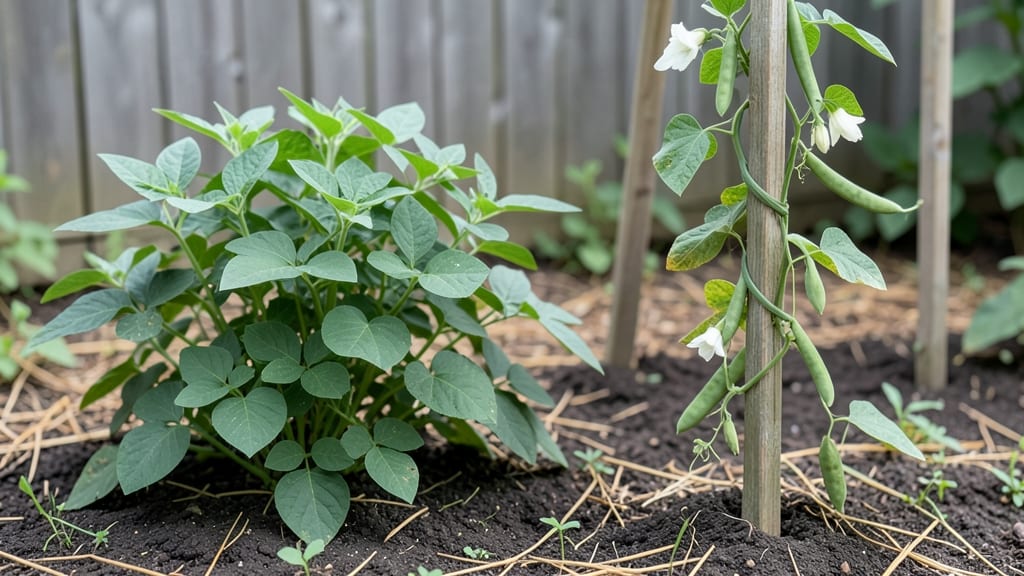
The right bean plant types can turn your garden into a lush summer harvest in just 60 days—and each variety delivers its own speed and flavor. 🌱 I’ve grown everything from delicate snap peas to towering pole beans, and each type brings its own speed. flavor, and growing quirks to the table.
Bush beans are the foolproof starter: compact, self-supporting, and ready to pick in 50-60 days. Pole beans climb 6-10 feet and produce for weeks, but they need a trellis. Runner beans, the underrated workhorses, deliver both tender pods and dried beans—if you let them go to seed.
Then there are snap peas, which mature in 60-70 days but demand cooler weather.
You’ll end up with a garden that’s bursting with color and texture—velvety green pods, crisp snap peas, and beans that dry into pantry staples. The best part? Most varieties thrive in full sun and well-draining soil, making them perfect for beginners or small spaces.
Whether you’re craving quick harvests or long-term storage, these fast varieties fit seamlessly into any garden plan. Let’s match the right bean to your goals—from early summer snacks to late-season storage.
📚 In This Guide
- What you need
- Instructions
- Tips and common mistakes
- Wrapping up and next steps
What you need
- ● Bean seeds – Choose from fast-growing varieties like Blue Lake Bush Beans, Kentucky Wonder Pole Beans, or Scarlet Runner Beans. Start with 1-2 pounds of seeds (about 500-1,000 seeds) for a small garden.
- ● Potting soil or garden soil – Use well-draining, nutrient-rich soil (pH 6.0-7.0). For containers, a 5-gallon bag per plant is ideal.
- ● Compost or organic fertilizer – A 5-pound bag of compost or a balanced 10-10-10 fertilizer to enrich the soil before planting.
- ● Watering can or hose with a gentle spray nozzle – Beans need consistent moisture without soggy soil.
- ● Garden trowel or hand shovel – For digging small holes (1-2 inches deep).
- ● Measuring tape or ruler – To space seeds properly (2-4 inches apart for bush beans, 4-6 inches apart for pole beans).
- ○ Pole bean supports (optional but recommended) – 5-6 foot bamboo stakes, trellises, or wire mesh for climbing varieties.
- ● Mulch (straw or shredded leaves) – A 2-3 inch layer to retain moisture and suppress weeds.
- ● Sunlight – A full-sun spot (6+ hours of direct sunlight daily) is a must!
- ● Warm soil – Wait until soil temps reach 60°F+ (use a soil thermometer if unsure).
- ● Last frost date – Plant 2-3 weeks after the last frost in your area.
Step-by-step guide to selecting and growing fast-growing bean varieties
Here’s how to pick and cultivate the quickest bean varieties for a productive garden.
🌱 Step 1: Choose the Right Fast-Growing Varieties
For speed, focus on bush beans like 'Blue Lake' or 'Provider,' which mature in 50-60 days. Pole beans like 'Kentucky Wonder' take slightly longer (60-70 days) but produce continuously. Avoid heirlooms or specialty varieties—they often require more time to reach harvest.
Check your local frost dates and plant 4-6 weeks before the last frost for a head start. I always opt for certified organic seeds to avoid introducing pests or diseases to my garden beds. Look for labels specifying "fast-maturing" or "early harvest" to streamline your selection.
☀️ Step 2: Prepare the Soil and Planting Site
Beans thrive in well-draining, slightly acidic soil (pH 6.0-7.0) with plenty of organic matter. Amend your garden beds with 2-3 inches of compost mixed into the top 6 inches of soil before planting. Avoid fresh manure—it can burn tender roots and attract pests.
Choose a location with full sun (6-8 hours daily). Beans are sensitive to cold soil, so wait until the ground reaches at least 60°F before sowing. I use a soil thermometer to confirm—planting too early in cold soil delays germination and weakens seedlings.
🌿 Step 3: Plant Seeds at the Correct Depth and Spacing
Sow seeds 1 inch deep and 3-4 inches apart for bush beans, or 4-6 inches apart for pole beans. Plant in rows 18-24 inches apart to allow airflow and reduce disease risk. I use a small hand trowel to make precise holes and avoid disturbing the soil structure.
Water gently after planting to settle the soil around the seeds. Keep the soil consistently moist but not soggy until germination, which typically occurs in 7-10 days. Overwatering can cause seeds to rot, while dry soil slows sprouting—check moisture daily with your finger.
💧 Step 4: Maintain Moisture and Fertility for Fast Growth
Beans need 1-1.5 inches of water per week, delivered evenly at the soil level. Water in the early morning to reduce evaporation and fungal risks. I use a drip irrigation system to keep moisture steady without wetting the leaves, which prevents mildew.
Side-dress with a light application of compost tea or balanced fertilizer (10-10-10) when plants reach 6 inches tall. Beans fix nitrogen in the soil, so avoid heavy nitrogen feeds—they encourage leafy growth at the expense of pods. Watch for yellowing leaves, which can signal over-fertilization or nutrient imbalance.
✂️ Step 5: Harvest at Peak Ripeness for Continuous Production
Pick bush beans when pods are 4-6 inches long and firm, usually 50-60 days after sowing. For pole beans, harvest when pods reach 6-8 inches and snap easily when bent. I harvest every 2-3 days to encourage more production—beans left too long on the vine become tough and woody.
After the first harvest, bush beans typically produce for 4-6 weeks, while pole beans continue yielding until frost. Succession plant every 2 weeks for a steady supply. Save seeds from your best plants for next season by letting a few pods mature fully on the vine.
Tips & tricks for perfect fast-growing bean varieties
To maximize your harvest speed and yield, these key strategies will help you grow beans faster and more efficiently.
Variety Selection: The 50-60 day maturity window for bush beans like 'Blue Lake' or 'Provider' is non-negotiable for speed. I've found that planting a mix of bush and pole varieties creates a staggered harvest—bush beans give you quick results while pole beans extend production. For even faster germination, soak seeds overnight in water before planting, which can shave off 1-2 days from the 7-10 day sprouting window.
Soil Temperature Strategy: Waiting until soil reaches at least 60°F isn't just about avoiding cold damage—it's about speed. I've seen germination times nearly double when planting in cooler soil. Use a soil thermometer to confirm, and consider using black plastic mulch to warm the soil faster if you're in a cooler climate. This preheating can help you plant 1-2 weeks earlier than usual.
Watering Technique: The 1-1.5 inches of water per week guideline is perfect, but timing matters more than you might think. I water my beans in the early morning using a soaker hose, which delivers moisture directly to the roots without wetting the leaves. This prevents fungal diseases that could slow growth, and the consistent moisture keeps the soil at optimal temperature for faster development. Avoid overhead watering—it creates ideal conditions for mildew that can set back your plants.
Harvest Timing: Those 50-60 days to harvest for bush beans are tight, so don't wait until the last minute. I harvest every 2-3 days starting when pods reach 4-6 inches—this prevents the plants from diverting energy to seed production, which would slow down your overall yield. For pole beans, harvest when pods snap easily when bent; this is your cue that the plant is ready to produce more. Regular harvesting actually stimulates more flower production, creating a continuous cycle.
Pro Tips for Bean Plant Types
- To maximize your harvest speed and yield, these key strategies will help you grow beans faster and more efficiently.
- Variety Selection: The 50-60 day maturity window for bush beans like 'Blue Lake' or 'Provider' is non-negotiable for speed.
- Soil Temperature Strategy: Waiting until soil reaches at least 60°F isn't just about avoiding cold damage—it's about speed.
Frequently asked questions
Got questions about growing fast-growing bean varieties? You’re not alone! Here are some of the most common queries gardeners have about bean plant types—plus quick, actionable answers to help you grow like a pro.
Which bean types grow the fastest?
If you’re craving speed, opt for bush beans like Blue Lake or Contender, which mature in just 50–60 days. Pole beans like Kentucky Wonder take slightly longer (60–70 days) but produce longer. For the fastest harvest, choose dwarf varieties—they’re perfect for small spaces and impatient gardeners!
How long do beans take to germinate?
Most bean seeds sprout in 7–14 days under ideal conditions (warm soil, 60–85°F, and consistent moisture). For faster results, soak seeds overnight before planting. If germination takes longer than 2 weeks, check soil temperature—beans hate cold soil. Pro tip: Use a seedling heat mat if your spring is chilly! →
Can I grow beans in containers?
Bush beans thrive in 5-gallon pots or deeper containers (12+ inches), while pole beans need trellises or tall cages (6+ feet). Use well-draining soil and ensure pots get 6–8 hours of sunlight. Just avoid overcrowding—beans need room to breathe (and climb!).
What pests should I watch for with beans?
Beans are magnets for bean beetles, aphids, and slugs. Prevent issues with row covers (for early pests) or neem oil sprays. Handpick beetles in the morning when they’re sluggish. For slugs, set out beer traps or diatomaceous earth. Rotate crops yearly to break pest cycles—beans shouldn’t grow in the same spot more than once every 3 years.
Do beans need full sun?
Yes! Beans crave 6–8 hours of direct sunlight daily. While they can tolerate partial shade, production drops dramatically. In hot climates, provide afternoon shade to prevent wilting. If your garden is shady, choose shade-tolerant varieties like ‘Provider’ (a bush bean) or grow them near taller plants for dappled light.
Wrapping up and next steps
From bush beans to pole varieties and everything in between, the world of fast-growing beans offers something for every gardener!
Whether you’re short on space, eager for quick harvests, or just love experimenting, there’s a bean type that’ll thrive in your garden. Now’s the perfect time to roll up your sleeves—start with a few seeds, watch them sprout, and soon you’ll be enjoying homegrown goodness! 🌱
Ready to dive in? Pick your favorite variety, gather your supplies, and plant those seeds today! Your future meals (and happy plants) will thank you.