
Lawn
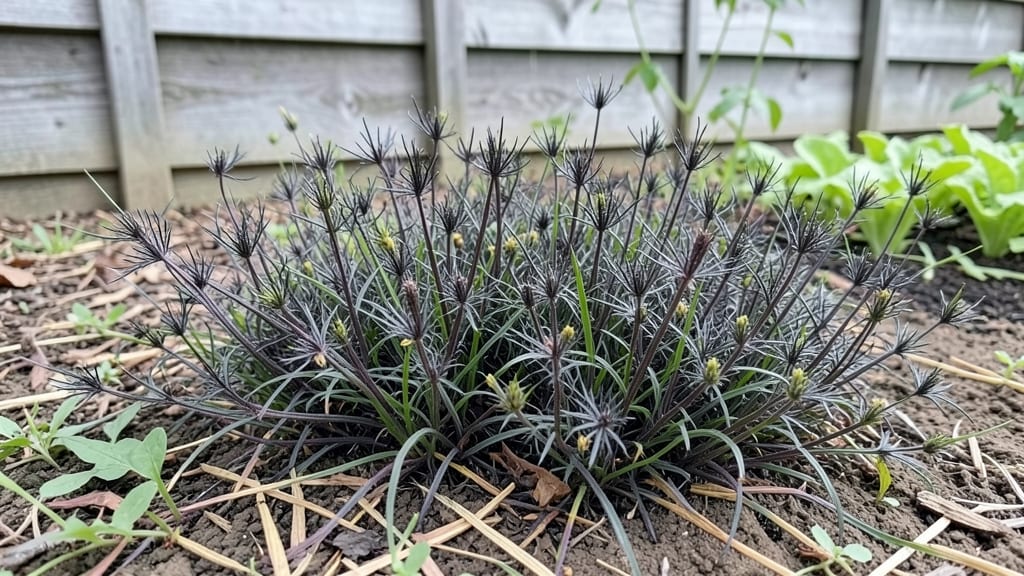
That black grass plant, creeping into your lawn with its wiry strands, isn’t just unsightly—it’s a natural weed barrier that can outcompete your grass if left unchecked. I've battled this stubborn invader for years, and what I learned changed how I manage my lawn's edges and problem spots.
The secret isn't just pulling it—it's understanding why it thrives where grass struggles. Black grass spreads aggressively in shady, compacted, or high-traffic areas, choking out thinner turf. But with the right approach, you can suppress it without harsh chemicals, letting your grass reclaim the space naturally.
I'll show you how to starve it out, smother it, or pull it strategically so your lawn fills in thicker.
By the end, you'll have a lawn that stays dense and green, with black grass reduced to just a few stubborn clumps at the edges.
The key is consistency—tackle it before it takes over, and your grass will thank you with lush, even growth that crowds out weeds before they start.
Works for both sunny and shady lawns, and the techniques adapt to seasonal patterns. Let's get your lawn back to looking like the thick, healthy carpet it should be—without the weeds stealing the show.
📚 In This Guide
- What you need
- Instructions
- Tips and common mistakes
- Wrapping up and next steps
What you need
- ● Black grass plant seeds (Ehrharta erecta) – 1–2 lbs per 100 sq ft (adjust based on coverage goals). Opt for organic, non-GMO seeds for best results.
- ● Lawn soil or topsoil – 2–3 inches depth (well-draining, slightly sandy loam works best).
- ● Garden rake or tilling tool – For loosening soil and removing debris.
- ○ Broadcast spreader or hand seeder – Ensures even seed distribution (optional but helpful for large areas).
- ● Watering system – Hose with sprinkler head or drip irrigation (consistent moisture is key for germination).
- ● Lawn fertilizer (low-nitrogen, high-phosphorus) – 10-20-10 ratio to promote root growth (apply lightly after seeding).
- ● Straw or peat moss mulch – ¼-inch layer to retain moisture and protect seeds from birds.
- ● Weed barrier fabric – Landscape cloth to suppress existing weeds before planting (lay under soil if needed).
- ● Soil pH tester kit – Ensures your soil is slightly acidic (pH 6.0–7.0); amend with lime or sulfur if necessary.
- ● Lawn roller (lightweight) – Gently presses seeds into soil for better contact (use after watering).
- ● Organic weed killer (post-emergent) – Vinegar-based or corn gluten meal to target weeds after black grass establishes.
- ● Knee pads or gardening stool – Because comfort matters when you’re on your hands and knees! 😉
Step-by-Step instructions for planting black grass as a lawn weed barrier
This dense, low-growing grass creates a natural weed blocker that stays green all season.
Prepare Your Soil for Planting
Start by clearing the area of existing weeds, rocks, or debris. Use a rake to loosen the top 4 inches of soil—this helps roots establish quickly. Black grass thrives in well-draining soil, so if your yard has heavy clay, mix in 2 inches of coarse sand or compost to improve aeration. Test the soil pH; black grass prefers a slightly acidic range between 6.0 and 7.0. If your soil is too alkaline, add sulfur or peat moss to adjust it before planting.
Level the ground with a garden rake, removing any low spots where water might pool. This grass doesn’t tolerate soggy conditions, so proper drainage is key. Walk over the area to check for uneven patches—smooth them out so the surface is even for consistent growth.
Spread Black Grass Seed Evenly
Use a broadcast spreader to distribute the black grass seed uniformly across the prepared area. For best results, apply 2 pounds of seed per 100 square feet—this ensures dense coverage without overcrowding. Lightly rake the seed into the soil with a stiff-bristled rake, pressing it just enough to make contact with the earth. Avoid burying the seed deeper than ¼ inch, as it needs light to germinate.
If you’re planting in a high-traffic area, consider mixing the seed with 1 pound of straw mulch per 100 square feet to protect it from erosion until germination. Water the area lightly immediately after seeding to settle the seed into the soil, but don’t soak it—excess moisture can wash the seed away.
Water Consistently for Germination
Keep the soil evenly moist for the first 2-3 weeks after planting. Water deeply twice daily—once in the morning and once in the late afternoon—using a gentle spray or soaker hose to avoid disturbing the seed. The top ½ inch of soil should remain damp but not soggy. Overwatering can lead to fungal issues, while underwatering causes uneven germination.
You’ll see the first signs of sprouts in 7-14 days, depending on temperature and moisture. Once the grass reaches 2 inches tall, reduce watering to once daily and gradually taper off to encourage deep root growth. Avoid walking on the new grass until it’s fully established—this prevents seed displacement and damage.
Maintain for a Dense, Weed-Free Lawn
Once established, black grass needs 1-1.5 inches of water per week, either from rainfall or irrigation. Mow when the grass reaches 3-4 inches tall, keeping the height between 2 and 3 inches for optimal density. Use a sharp mower blade to prevent tearing the grass, which can invite weeds. Fertilize lightly in early spring with a balanced, slow-release fertilizer to promote healthy growth without excessive top growth.
To prevent weeds from infiltrating, apply a pre-emergent herbicide in early spring if needed, but avoid post-emergent treatments—black grass is sensitive to many broadleaf herbicides. Instead, focus on keeping the grass thick and healthy, as it naturally outcompetes weeds. Aerate the lawn annually in fall to improve soil health and root development.
Tips & tricks for perfect black grass planting
Planting black grass for a natural weed barrier takes patience and attention to detail—but these tricks will help you avoid common pitfalls and create a lush, weed-free lawn.
Soil Preparation is Everything: In Step 1, don't rush the soil prep. I've seen black grass fail when planted in compacted or poorly drained soil. After loosening the top 4 inches, press your foot into the soil—if it feels hard, you need to work it more. For clay-heavy areas, mix in that 2 inches of sand or compost thoroughly. A simple pH test kit (available at garden centers) makes checking the 6.0-7.0 range easy, and adjusting now saves headaches later.
Seed Distribution Technique: When spreading the 2 pounds of seed per 100 square feet in Step 2, work in overlapping passes to avoid thin spots. I use a stencil method: mark off 10x10 foot squares with spray paint, then focus on one square at a time. This ensures even coverage. After raking, do a quick visual check—you should see seed everywhere, not just in patches. The ¼-inch depth rule is critical; any deeper and you'll suffocate those seeds.
Watering Wisdom: The twice-daily watering in Step 3 is non-negotiable for those first 2-3 weeks. I set a timer on my irrigation system for 10 minutes in the morning and 10 minutes in the evening to maintain that damp-but-not-soggy top ½ inch. A sprinkler head that sprays too forcefully can wash seeds away, so a gentle soaker hose or fine mist setting works best. You'll know you're doing it right when the soil feels like a wrung-out sponge.
Maintenance Matters: Once established, the 1-1.5 inches of weekly water is crucial for drought resistance. I mow when the grass hits 3-4 inches, but here's a pro tip: if you're using a push mower, go in two directions—first lengthwise, then crosswise—to get a cleaner cut without tearing the blades. And that annual fall aeration? It's worth the effort—your grass will reward you with deeper roots and better weed suppression next season.
Pro Tips for Black Grass Plant
- Planting black grass for a natural weed barrier takes patience and attention to detail—but these tricks will help you avoid common pitfalls and create a lush, weed-free lawn.
- Soil Preparation is Everything: In Step 1, don't rush the soil prep.
- Seed Distribution Technique: When spreading the 2 pounds of seed per 100 square feet in Step 2, work in overlapping passes to avoid thin spots.
Frequently asked questions
Got questions about using black grass plant as a natural lawn weed barrier?
You’re not alone! Here are some of the most common concerns—and straightforward answers—to help you get started with confidence.
What exactly is black grass plant, and how does it work as a weed barrier?
The black grass plant (often Digitaria sanguinalis or similar species) is a fast-growing, dense ground cover that smothers weeds by blocking sunlight and crowding out invasive species. Its deep roots also improve soil structure, making it a low-maintenance alternative to mulch or synthetic barriers. Think of it as nature’s own weed-repelling carpet!
How long does it take for black grass to establish and suppress weeds?
With proper care, black grass typically establishes within 4–6 weeks and starts effectively suppressing weeds in 8–12 weeks. For best results, keep the soil moist during the first month and mow or trim it back every 3–4 weeks to encourage dense growth. Patience pays off—once established, it’s a self-sustaining weed blocker!
Does black grass need a lot of water, or is it drought-tolerant?
Black grass is moderately drought-tolerant once established but thrives with 1–1.5 inches of water per week during its first few months. After rooting, it can handle brief dry spells better than many ornamental grasses. Pro tip: Water deeply in the morning to reduce fungal risks and encourage deeper roots.
Can I use black grass in shaded areas, or does it need full sun?
While black grass prefers full sun (6+ hours daily) for optimal growth, it can tolerate partial shade (3–6 hours of sun). In shadier spots, growth may be slower, and weed suppression might take longer. If your yard is heavily shaded, consider pairing it with clover or creeping thyme for a more resilient barrier.
What should I do if black grass stops spreading or looks patchy?
Patchiness often signals nutrient deficiency, poor soil contact, or competition from weeds. Try these fixes:
- Fertilize lightly with a balanced, low-nitrogen fertilizer (e.g., 10-10-10) to boost growth.
- Hand-pull weeds in bare spots and replant black grass seeds or plugs.
- Check soil moisture—consistent watering (not soggy) helps roots spread.
- Mow higher (3–4 inches) to encourage bushier growth and shade out weeds.
Are there alternatives to black grass for weed suppression?
Yes! If black grass isn’t your style, try these low-maintenance alternatives:
- Clover (fixes nitrogen, drought-tolerant, great for pollinators).
- Creeping thyme (fragrant, heat-loving, edible).
- Microclover blends (mix of clover and grass for a softer look).
- Living mulches like buckwheat or winter rye (temporary but effective).
Wrapping up and next steps
Transforming your lawn into a lush, weed-free paradise with black grass plant is totally within reach! 🌱 Whether you're tackling stubborn weeds or aiming for that envy-worthy green carpet, this natural barrier method delivers serious results with minimal effort.
Start small—test a patch, refine your approach, and soon, your entire yard could be the talk of the neighborhood.
Ready to take the next step? Grab your supplies, roll up your sleeves, and give your lawn the upgrade it deserves! 🌿✨