Diseases
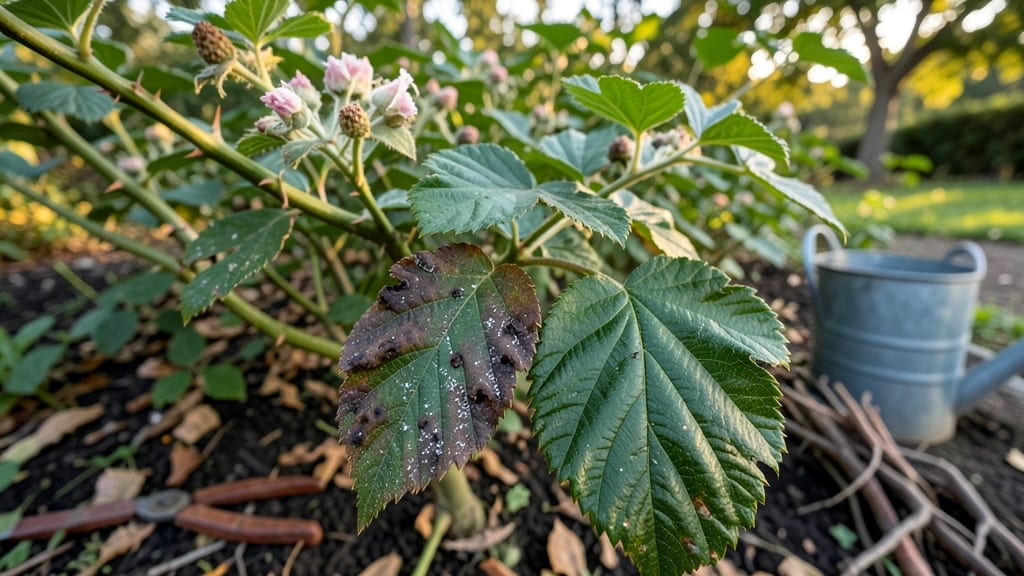
Blackberry plant diseases can turn your thriving brambles into a sad, spotted mess—unless you know the signs. 🌿 I’ve watched anthracnose turn my canes black and rust turn leaves into dust, but once you recognize the patterns, you can stop them in their tracks.
The worst offenders—fungal infections like botrytis and bacterial spots—love warm, wet conditions. Pruning for airflow, removing infected debris, and spacing plants properly cuts their chances of taking hold. Organic sprays with neem oil or copper fungicide work wonders when caught early.
You’ll spot the difference within weeks: canes stay strong, berries ripen without rot, and your patch thrives instead of withering. The key is acting fast—once diseases set in, they spread like wildfire through your bushes.
Works for home gardeners in any climate, from humid South to dry Southwest. Here’s how to keep your blackberries healthy season after season—no guesswork, just results.
Root Causes Of Blackberry Ailments
Blackberry plants, like any living organism, are vulnerable to diseases when their balance is disrupted. Understanding why these issues arise helps gardeners take preventive action before problems escalate. Below, we break down the core factors—from environmental stressors to biological invaders—that turn a thriving blackberry patch into a battleground.
Blackberries thrive in specific conditions, and when those conditions shift—whether due to weather, poor soil, or mismanagement—disease-causing pathogens seize the opportunity. Here’s how environmental factors create openings for trouble:
- 💦 Overhead Watering & Poor Drainage Blackberries hate soggy roots. Excess moisture (from overwatering, heavy clay soil, or poor drainage) creates the perfect breeding ground for fungal spores like Botrytis (gray mold) and Phytophthora (root rot). Fungi thrive in damp, stagnant conditions, while bacteria like Xanthomonas (bacterial leaf spot) spread rapidly when leaves stay wet for prolonged periods.
| Problem | Why It Happens | Actionable Fix |
|---|---|---|
| Compacted or waterlogged soil | Prevents oxygen flow to roots, weakening plant immunity. | Amend soil with compost or sand; raise beds for better drainage. |
| Frequent overhead irrigation | Leaves remain damp, inviting fungal spores to germinate. | Use drip irrigation or soaker hoses; water at soil level. |
- ☀️ Extreme Heat or Cold Blackberries are hardy but struggle under heat stress (above 90°F/32°C) or freeze damage. Heat weakens cell walls, making plants susceptible to anthracnose (a fungal disease causing dark lesions), while cold snaps can crack canes, creating entry points for bacterial infections.
Pro Tip: 🌡️ Mulch with straw or wood chips to regulate soil temperature and retain moisture without suffocating roots.
- 🌬️ Humidity & Lack of Airflow Blackberries grown in dense, shaded, or humid conditions suffer from poor ventilation, which traps moisture and spores. Diseases like powdery mildew (white fungal growth) and rust (orange pustules) flourish in these environments.
Fix: 🌿 Prune canes to improve airflow; space plants 3–4 feet apart; avoid planting near tall trees or fences.
Diseases don’t just appear—they’re invited by weakened plants or introduced through contaminated tools, soil, or even wildlife. Here’s how pathogens exploit blackberries:
- 🍄 Fungal Spores in the Air or Soil Fungi like Botrytis and Sphaerotheca (powdery mildew) are ubiquitous in gardens. They lie dormant in soil, plant debris, or even on neighboring plants until conditions (like humidity or stress) trigger their growth. Once established, they spread via wind, water splashes, or contaminated pruners.
Prevention: 🧹 Remove old canes and leaf litter after harvest; sterilize tools with 70% rubbing alcohol or bleach solution (1 part bleach to 9 parts water).
- 🧫 Bacterial Hitchhikers Bacteria such as Pseudomonas (bacterial canker) or Xanthomonas enter plants through wounds (e.g., thorns, pruning cuts, or insect bites). Once inside, they multiply rapidly in warm, moist conditions, clogging vascular tissue and causing wilting or blackened canes.
Key Risk: 🚫 Never reuse pruners on infected plants without cleaning—bacteria can survive on metal tools for years.
- 🐛 Insects as Disease Carriers Some pests, like Japanese beetles or thrips, feed on blackberry leaves and excrete honeydew—a sticky substance that attracts sooty mold fungi. Others, such as raspberry cane borers, create entry wounds for secondary infections.
Solution: 🐞 Monitor for pests early; use neem oil or insecticidal soap as a preventive barrier.
Even the hardiest blackberry plants can fall prey to diseases when gardeners make common mistakes. Here’s how well-intentioned actions backfire:
- 🔪 Improper Pruning Techniques Cutting canes at the wrong time (e.g., during wet weather) or leaving stubs creates open wounds that pathogens exploit. Additionally, pruning when plants are stressed (e.g., during drought or extreme heat) delays healing.
Best Practice: ⏰ Prune in late winter or early spring (before new growth); use clean, sharp shears; make cuts at a 45° angle just above a bud.
- 🌿 Planting in Contaminated Soil If previous crops (especially other Rubus species like raspberries) suffered from diseases, the soil may still harbor pathogens. Reusing infected compost or planting in low-lying areas where water pools increases risk.
Fix: 🔬 Test soil for pathogens; rotate crops; solarize soil (cover with clear plastic for 4–6 weeks in summer to kill fungi).
- 🍓 Over-Fertilizing with Nitrogen While nitrogen promotes leafy growth, excessive nitrogen makes blackberries soft and susceptible to fungal infections. It also attracts sap-sucking insects, which weaken plants indirectly.
Balance Tip: 📊 Use a balanced fertilizer (e.g., 10-10-10) or organic amendments like composted manure; avoid synthetic nitrogen spikes.
By addressing these root causes—whether through smarter watering, pathogen-proof practices, or cultural adjustments—you can dramatically reduce the risk of blackberry diseases before they take hold. Prevention isn’t just easier; it’s the most effective strategy in the garden!
Fixing Blackberry Fungal Foes
Now that you’ve identified the culprit behind your blackberry plant’s woes, it’s time to roll up your sleeves and get to work! 🌱💪 Below are practical, step-by-step solutions tailored to each disease, along with prevention tips to keep your berries thriving.
Remember: early action is key—don’t wait until the problem spreads!
**🔥 Remove infected plant parts immediately!
- 🔪 Prune infected canes (black or sunken lesions) down to healthy tissue using sterilized pruners (wipe with rubbing alcohol between cuts).
- 🧹 Clean up debris: Rake and remove fallen leaves/canes from the area to prevent spores from lingering.
- 🌧️ Improve airflow: Thin out overcrowded canes and space plants 4–6 feet apart to reduce humidity.
✨ Prevention for next season:
- 🌡️ Apply fungicide (copper-based or neem oil) before bud break in early spring.
- 💡 Avoid overhead watering—use drip irrigation instead.
🍳 Act fast—this spreads quickly!
- 🧽 Sterilize tools before and after pruning to avoid cross-contamination.
- 🚫 Remove and destroy infected canes (do not compost them).
- 💦 Spray with fungicide (chlorothalonil or copper fungicide) every 7–10 days during wet seasons.
🎯 Long-term defense:
- 🌿 Rotate planting sites—don’t grow blackberries in the same spot yearly.
- 💡 Plant resistant varieties like ‘Triple Crown’ or ‘Natchez.’
👨🍳 This one’s tough—replace the plant if severe.
- 🌱 Dig up and remove the entire infected plant (including roots) to stop the fungus.
- 🔥 Solarize the soil (cover with clear plastic for 4–6 weeks in hot weather) to kill remaining spores.
- 🌱 Plant new blackberries in fresh, well-draining soil (avoid replanting in the same spot for 2+ years).
💡 Prevention tips:
- 🌡️ Avoid overwatering—keep soil moist but not soggy.
- 🌿 Choose disease-resistant rootstock for new plants.
🍳 Stop the spread with copper-based treatments.
- 🧹 Remove heavily infected leaves (yellow-orange pustules).
- 💦 Spray with copper fungicide (follow label instructions) every 2 weeks during rainy seasons.
- 🌿 Thin canes to improve airflow and reduce humidity.
✨ Prevention for next year:
- 🌡️ Apply fungicide at first signs of rust in spring.
- 💡 Avoid planting blackberries near susceptible hosts (like roses or raspberries).
🔥 This is a no-compromise situation—aggressive action required!
- 🚫 Remove and burn infected canes (do not compost).
- 🧽 Sterilize pruners with bleach or alcohol between cuts.
- 💦 Spray with copper bactericide (like Bordeaux mixture) every 2 weeks during wet periods.
🎯 Prevention tips:
- 🌱 Plant in well-draining soil to reduce stress.
- 💡 Avoid wounding canes—use clean tools and prune carefully.
🍳 Reduce moisture to starve the fungus.
- 🧹 Remove infected fruit and flowers (gray mold appears fuzzy).
- 🌧️ Improve airflow by pruning dense foliage.
- 💦 Water at the base (never overhead) and avoid late-season irrigation.
✨ Prevention for next season:
- 🌡️ Apply fungicide (like myclobutanil) before flowering.
- 💡 Harvest promptly—don’t let fruit linger on the plant.
💡 🌱 Healthy plants fight better!
- 🌿 Choose disease-resistant varieties (check local nursery recommendations).
- 🌡️ Water deeply but infrequently—early morning is best.
- 🧹 Clean up debris in fall to remove overwintering spores.
- 💡 Rotate crops—don’t plant blackberries in the same spot yearly.
🔥 Pro Tip:** Test your soil (pH 5.5–6.5 is ideal for blackberries). Amend with compost if needed—healthy soil = stronger plants! 🌱💚
Frequently asked questions
What are the first signs of anthracnose on my blackberry bushes?
Look for dark, sunken spots on leaves that turn brown and papery, especially after wet weather. You’ll also notice blackened canes and fruit with sunken lesions. This fungal disease thrives in humidity—prune infected areas immediately and apply copper fungicide to stop its spread.
Can I save my blackberries if they have powdery mildew?
Yes, but act fast! Remove heavily infected leaves and improve airflow by thinning canes. Spray with neem oil or sulfur-based fungicide every 7-10 days until symptoms disappear. For next season, choose resistant varieties and avoid overhead watering.
Why do my blackberry leaves keep getting orange spots?
Those are likely rust fungus spores. Remove infected leaves immediately and apply copper fungicide. Thin your plants to improve airflow and avoid planting near susceptible hosts like roses. The key is catching it early—rust spreads rapidly in wet conditions.
Is it safe to compost blackberry leaves with diseases?
No—never compost infected plant material. Fungal spores and bacteria can survive composting and reinfect your garden. Instead, bag and discard diseased leaves in yard waste or burn them. Sterilize your tools with rubbing alcohol between uses to prevent cross-contamination.
How often should I spray fungicide on my blackberries?
Apply fungicide preventively before symptoms appear—typically every 2-3 weeks during wet seasons or when humidity is high. For organic options, use neem oil or copper sprays. Always follow label instructions and rotate between different fungicides to prevent resistance.