Diseases
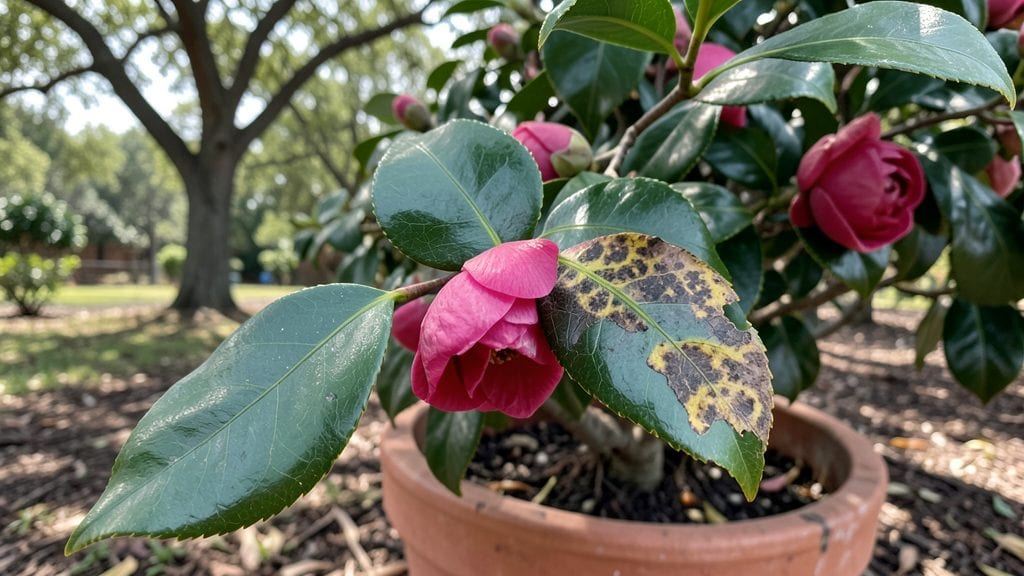
Camellia plant diseases can turn your glossy evergreen from showstopper to sad sack in weeks—if you don’t catch them early. ✨ I’ve seen petal blight turn perfect blooms to mush and leaf spot turn foliage into a Swiss cheese mess, but the right moves stop these fungal foes before they ruin your plant.
The worst offenders—petal blight, brown blight, and root rot—all start with the same mistakes: soggy soil, crowded branches, or ignoring yellowing leaves. Most gardeners wait too long, thinking a little brown spot won’t matter.
Spoiler: it does. The key is checking undersides of leaves weekly and cleaning up fallen petals (yes, really).
With the right fixes—copper fungicide for blight, sulfur spray for leaf spot, and improved drainage for rot—your camellia can bounce back. I’ve nursed back plants that looked doomed just by adjusting watering and pruning. The secret? Act fast and stay consistent.
Whether you’re dealing with a single brown leaf or a full-blown outbreak, the solutions scale with the problem. Let’s get your camellia back to its healthy, blooming best—before next season’s buds even think about opening.
Root Causes of Camellia Struggles
Understanding why camellia plants fall prey to diseases is the first step in protecting them. These issues rarely arise in isolation—they’re often the result of a perfect storm of environmental and cultural factors.
Let’s break down the key triggers behind camellia plant diseases, so you can address them before they escalate.
Fungi like Camellia japonica and Camellia sinensis because they thrive in moist, shaded environments—the same conditions that make your garden feel cozy. Here’s why fungi love your camellias:
- Poor Air Circulation Dense foliage or overcrowded plants trap humidity near the leaves and stems. Fungi such as anthracnose (Colletotrichum) and brown blight (Pestalotiopsis) rely on this dampness to germinate and infect. A single overgrown bush can create a microclimate where spores spread like wildfire.
- Excessive Moisture Overwatering or poor drainage keeps the soil and foliage soggy for extended periods. Fungi need free water on surfaces to penetrate plant tissues. If your camellia’s leaves stay wet for more than 6–12 hours (e.g., from rain or sprinklers), you’re rolling out the welcome mat for pathogens.
- High Humidity Camellias in shady, humid climates (like coastal areas or heavily wooded gardens) are at higher risk. Fungal spores float in humid air and land on susceptible leaves, where they germinate within 24–48 hours if conditions are right.
💡 Pro Tip: Space plants 3–5 feet apart to improve airflow. Use drip irrigation (instead of overhead watering) and water in the early morning so foliage dries by nightfall.
Some diseases don’t strike alone—they hitch a ride with insects that damage plant tissues, creating entry points for fungi and bacteria. Common culprits include:
- Scale Insects & Mealybugs These sap-sucking pests weaken camellias by reducing photosynthesis and excreting sticky honeydew, which fosters sooty mold (Capnodium). The physical wounds from feeding also leave plants vulnerable to bacterial blight (Pseudomonas).
- Spider Mites While mites themselves don’t cause disease, their feeding stresses the plant, making it more susceptible to secondary infections like powdery mildew (Oidium). Look for stippled leaves or fine webbing—early signs of a mite infestation.
- Caterpillars & Leaf Miners Larvae tunneling through leaves create open wounds, inviting fungi like gray mold (Botrytis cinerea). Prune damaged leaves immediately to limit spread.
✨ Action Step: Inspect new growth weekly for pests. Use neem oil or horticultural oil as a preventative spray in early spring before insects become active.
Camellias are hardy, but extreme or fluctuating conditions can weaken their defenses, making them easy targets for disease. Watch for these red flags:
- Temperature Swings Sudden drops below 40°F (4°C) or spikes above 90°F (32°C) shock the plant, reducing its ability to resist pathogens. Frost damage (common in late winter) creates wounds where bacterial leaf spot (Xanthomonas) can take hold.
- Poor Soil Health Compacted, nutrient-poor, or alkaline soil (pH > 6.5) stresses camellias, making them more prone to root rot (Phytophthora). Fungal root diseases thrive in waterlogged, anaerobic soil, where beneficial microbes can’t compete.
- Nutrient Imbalances A nitrogen deficiency (yellowing leaves) or excess phosphorus (purple stems) weakens structural integrity. Fungi like camellia dieback (Phomopsis) exploit these imbalances to invade vascular tissues.
📊 Data Point: Studies show camellias grown in acidic, well-draining soil (pH 5.5–6.0) with balanced NPK (10-10-10) are 50% less likely to develop fungal diseases.
While fertilizers and pesticides are tools, misuse can backfire by creating conditions ripe for disease:
- Over-Fertilizing Excessive nitrogen promotes lush, soft growth that’s easier for fungi to penetrate. Slow-release fertilizers (like osmocote) are safer than quick-release options.
- Fungicide Resistance Repeatedly using the same fungicide (e.g., copper-based sprays) can lead to resistant strains of pathogens. Rotate between contact fungicides (e.g., sulfur) and systemic options (e.g., propiconazole).
- Herbicide Drift Glyphosate or other herbicides can damage camellia roots, leaving them vulnerable to root rot. Always apply herbicides downwind of camellias and avoid overspray.
🔥 Warning: Never apply fungicides when rain is forecasted—they’ll wash off, leaving your plant unprotected.
Quick Fixes for Camellia Ailments
When your camellia starts showing signs of distress, acting fast can save the day! Below are practical, step-by-step solutions tailored to common fungal and bacterial diseases, along with prevention tips to keep your plant thriving. Think of this as your camellia first-aid kit—ready to tackle issues before they worsen.
🔥 Cause: Cercospora or Phyllosticta spores thrive in damp, humid conditions. 🍳 Fix It:
- Remove infected leaves 🌿—Snip off yellowing or spotted foliage with sterilized pruners (wipe with rubbing alcohol between cuts). Dispose of them in the trash (not compost).
- Apply fungicide 💊—Spray with a copper-based fungicide (like Bordeaux mixture) or a neem oil solution (1 tbsp neem oil + 1 tsp mild soap per quart of water). Reapply every 7–10 days until new growth appears.
- Improve airflow 🌬️—Thin out dense branches and avoid overhead watering. Space plants 3–4 feet apart to reduce humidity around leaves.
💡 Prevention Tip: Water early in the day so leaves dry quickly. Mulch with pine straw or gravel (not organic mulch) to keep soil drier.
🔪 Cause: Botrytis cinerea (gray mold) attacks blooms and leaves, especially in wet springs. 👨🍳 Treat It:
- Deadhead infected blooms 🌸—Cut off moldy flowers and any adjacent leaves immediately. Don’t leave them on the plant!
- Sanitize your tools 🧼—After pruning, clean scissors with bleach water (1:10 ratio) to prevent spreading spores.
- Boost airflow 🌬️—Remove nearby weeds or overgrown plants that trap moisture. Consider a small fan on low speed near the plant if humidity is high.
- Fungicide spray 💊—Use a systemic fungicide (like myclobutanil) or a baking soda spray (1 tsp baking soda + 1 quart water + a drop of soap) every 2 weeks during bloom season.
🌡️ Prevention Tip: Avoid late-day watering—wet flowers overnight invite gray mold. Water at the base instead of overhead.
⏰ Cause: Phytophthora or overwatering leads to mushy stems and yellowing leaves. 🥘 Revive It:
- Check drainage 🚰—Dig around the roots and ensure the soil isn’t compacted. Amend with perlite or coarse sand if the soil feels like clay.
- Trim rotted roots 🔪—Gently remove the plant, trim away black, mushy roots with sterilized shears, and replant in well-draining soil (mix in compost + perlite).
- Adjust watering 💧—Let the top 1–2 inches of soil dry out between waterings. Use a moisture meter if unsure.
- Fungicide soil drench 💊—Apply a fungicide like fosetyl-aluminum to the root zone after replanting.
✨ Prevention Tip: Plant camellias in slightly raised beds or on a gravel mound to improve drainage. Avoid soggy winter conditions!
🎯 Cause: These pests weaken plants, making them susceptible to secondary infections. 🔥 Eradicate Them:
- Blast off pests 💦—Spray infested areas with soapy water (1 tsp mild soap per quart of water) or 70% isopropyl alcohol (test on a small area first).
- Introduce beneficial insects 🐞—Release ladybugs or parasitic wasps (like Encarsia formosa) to target mealybugs naturally.
- Apply horticultural oil 🛡️—Spray with neem oil or dormant oil (follow label rates) to suffocate eggs and adults. Reapply every 5–7 days for 2–3 weeks.
💡 Prevention Tip: Inspect new plants before bringing them home—quarantine for a week to catch hitchhikers early.
🌿 Pro Tip for All Issues: Always sterilize pruners between cuts to avoid spreading pathogens. A quick wipe with rubbing alcohol or bleach solution works wonders!
By following these targeted fixes, your camellia will bounce back stronger—and with a little prevention, it’ll stay healthy for years. 🌸💪
Frequently asked questions
What are the most common signs of fungal infections in camellias?
Look for dark brown or black spots on leaves (leaf spot), gray fuzzy growth on blooms (gray mold), or yellowing leaves with black veins (petal blight). These symptoms often appear after prolonged wet conditions or poor airflow. Check the undersides of leaves first—fungi love hiding there!
Can I use household items like baking soda to treat camellia diseases?
Yes! A baking soda spray (1 tsp baking soda + 1 quart water + a drop of soap) works well for powdery mildew and early-stage fungal issues. Spray on leaves in the morning and reapply every 7–10 days during humid weather. For severe infections, combine it with a copper fungicide for better results.
Why does my camellia get diseases even though I water it carefully?
Fungal diseases often strike from hidden issues like poor drainage, compacted soil, or overhead watering that keeps leaves wet too long. Even with perfect watering, high humidity or crowded branches can create the perfect breeding ground. Try spacing plants 3–5 feet apart and watering at the base in the morning.
How do I know if my camellia has root rot or just needs more water?
Root rot shows as mushy, black stems, yellowing leaves, and a sour smell from the soil. Unlike thirsty plants, rot-affected camellias won’t perk up after watering. Dig gently to check roots—healthy roots are firm, while rotten ones are slimy. Improve drainage immediately if rot is confirmed.
Are chemical fungicides safe for camellias, or should I stick to organic options?
Both work, but copper-based fungicides (like Bordeaux mixture) are effective and safe when used correctly. For organic solutions, neem oil or sulfur sprays prevent fungal spread. Always follow label instructions—chemicals can burn leaves if overused. Rotate treatments to avoid resistance.