
Plants
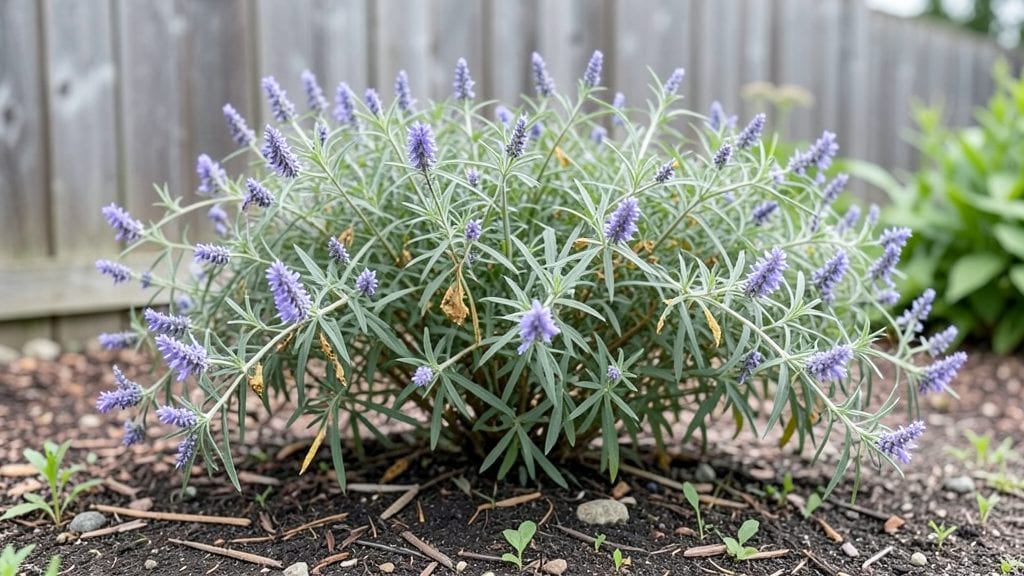
The bluebeard plant (Caryopteris) is invasive in some regions due to its aggressive root system and rapid seed dispersal, outcompeting native species in disturbed soils and sunny areas. Controlling it requires early removal, mulching, and monitoring to prevent regrowth.
The bluebeard plant's spread is fueled by its deep, sprawling roots and ability to produce up to 1,000 seeds per plant, which disperse easily through wind and wildlife. 🌿 Once established, it forms dense thickets that choke out native wildflowers and grasses, particularly in open, sunny habitats like meadows and forest edges.
This makes it a persistent challenge for gardeners and conservationists alike, as even small patches can quickly multiply into larger infestations.
What sets it apart from similar ornamental plants like lavender is its lack of natural predators in many regions, allowing it to dominate ecosystems without ecological checks. Unlike native alternatives, bluebeard thrives in poor soil conditions and drought, making it especially problematic in areas where water resources are limited.
💡 In This Article
- How Bluebeard Plant Spreads Aggressively
- Effective Bluebeard Plant Removal Techniques
How bluebeard plant spreads aggressively
The bluebeard plant's invasion begins with its rhizomatous root system, which can spread horizontally up to 3 feet per year under ideal conditions. These roots store nutrients and produce new shoots, allowing the plant to quickly form dense colonies.
Unlike many ornamental plants, bluebeard lacks specialized adaptations to deter herbivores, giving it a competitive edge in disturbed ecosystems where native species face more natural pressures.
What truly makes it aggressive is its seed production capacity—a single mature plant can generate 500 to 1,000 seeds annually. These tiny, wind-dispersed seeds remain viable in the soil for 3-5 years, creating a seed bank that ensures continuous germination.
The plant's lightweight seeds travel easily on breezes, allowing it to colonize new areas rapidly, much like dandelions but with greater ecological impact.
In ecosystems like prairies and woodlands, bluebeard outcompetes native species by forming thick mats that block sunlight. Its deep roots also access water and nutrients that shallower-rooted plants can't reach.
Unlike lavender or Russian sage—which have slower growth rates and more localized spread—bluebeard's aggressive lateral expansion creates monocultures that disrupt local biodiversity.
Ecologically, bluebeard's spread reduces habitat quality for native wildlife. Birds and insects that rely on native wildflowers for food and shelter find fewer resources as bluebeard dominates. This is particularly problematic in restoration projects, where its persistence can undo years of habitat rehabilitation efforts.
Comparing it to native alternatives reveals key differences: lavender spreads primarily through rhizomes but at half the rate, while Russian sage produces far fewer seeds (100-200 per plant) and has natural predators like deer that keep populations in check.
Bluebeard's combination of rapid root expansion and prolific seeding makes it uniquely problematic in landscapes where it's not native.
Understanding these mechanisms helps explain why bluebeard becomes so difficult to control once established. Its ability to regenerate from both roots and seeds means even small patches require consistent monitoring and removal to prevent full-blown infestations. 🌱