Pests and Diseases
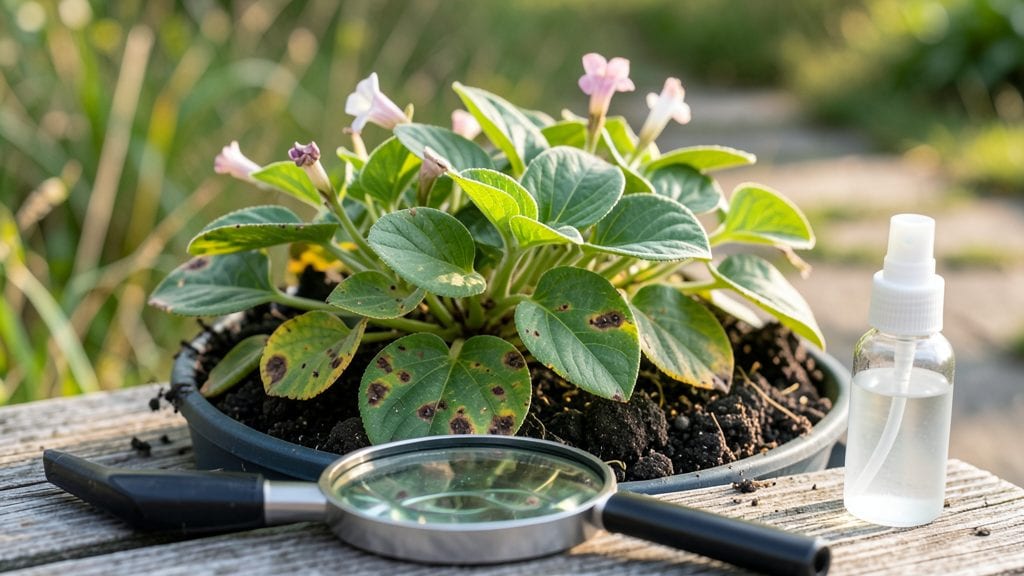
Impatiens plant disease can turn your vibrant hanging baskets into sad, drooping messes faster than you’d think. 🌿 I’ve watched downy mildew and fungal blight ruin entire beds in weeks—until I learned the early warning signs and how to stop them cold.
The key isn’t just sprays; it’s catching the problem before it spreads to your whole garden.
Most impatiens diseases start with tiny yellow spots on leaves or a fuzzy white coating on the undersides. That’s your first clue—don’t wait until the plant looks like Swiss cheese.
Good airflow, proper spacing, and removing infected leaves immediately are your best defenses. I’ve saved plants this way even when neighbors gave up and tossed theirs.
Once you spot trouble, act fast with neem oil or copper fungicide for fungal issues, or prune out infected stems completely. The goal is to keep your impatiens thriving with bold, glossy foliage and those signature blooms.
With these steps, you’ll cut down on losses and enjoy healthier plants all season.
This works for both garden beds and containers, and the same principles apply whether you’re dealing with downy mildew or bacterial blight. Let’s get your impatiens back to their showstopping best before the season’s over.
Root Causes Of Impatiens Illness
Impatiens plants—with their vibrant blooms and lush foliage—can quickly fall victim to diseases that disrupt their beauty. Understanding why these issues arise is the first step to prevention. Below, we break down the key factors that make impatiens susceptible to fungal blights, bacterial infections, and other plant diseases.
Impatiens thrive in shade and moisture**, but their leaves stay damp for too long when plants are packed too closely. This creates the perfect breeding ground for fungal spores like Phytophthora and Botrytis.
- Why it happens: Stagnant air prevents water evaporation, keeping leaves wet—ideal for fungal spores to germinate and infect.
- Actionable fix:
- Space plants 12–18 inches apart to improve airflow.
- Avoid overhead watering; use drip irrigation or soaker hoses instead.
- Prune crowded stems to reduce humidity buildup between leaves.
Impatiens love moisture, but too much water—especially in poorly draining soil—leads to root rot and fungal infections like Pythium.
- Why it happens: Waterlogged soil cuts off oxygen to roots, weakening the plant’s defenses. Fungal pathogens thrive in these anaerobic conditions.
- Actionable fix:
- Use well-draining potting mix (add perlite or sand if needed).
- Ensure containers have drainage holes and elevate pots to prevent water pooling.
- Water only when the top inch of soil is dry—never on a schedule.
While impatiens enjoy humidity, excessive dampness without airflow accelerates fungal spread, especially in greenhouses or shaded gardens.
- Why it happens: Fungi like Alternaria and Septoria spread faster in high-humidity environments (above 70% relative humidity). Poor ventilation traps spores near leaves.
- Actionable fix:
- Use a fan or dehumidifier in greenhouses to keep humidity below 60%.
- Space plants away from walls or dense foliage to improve air circulation.
- Water early in the day so leaves dry before evening moisture sets in.
Reusing dirty pruners, pots, or soil can introduce pathogens like bacteria or fungi directly to healthy impatiens.
- Why it happens: Tools, compost, or reused potting mix may carry Xanthomonas (bacterial leaf spot) or fungal spores from previous infected plants.
- Actionable fix:
- Sterilize tools with 70% isopropyl alcohol or a 10% bleach solution between uses.
- Avoid reusing contaminated soil—discard or pasteurize soil by baking at 180°F (82°C) for 30 minutes.
- Buy sterilized potting mix or amend garden soil with compost tea to boost microbial balance.
Impatiens weakened by temperature swings, nutrient deficiencies, or pests are more vulnerable to diseases.
- Why it happens: Stress triggers ethylene production, a plant hormone that opens stomata (pores), making it easier for pathogens to enter.
- Actionable fix:
- Provide consistent shade (40–60%)—avoid sudden exposure to harsh sun.
- Fertilize with a balanced, water-soluble fertilizer (10-10-10) every 4–6 weeks.
- Monitor for pests (aphids, spider mites) and treat early with neem oil or insecticidal soap.
💡 Pro Tip: Rotate impatiens annually to prevent soil-borne diseases from building up in the same spot. Crop rotation disrupts pathogen cycles!
Quick Fixes for Fungal Foes
Now that you know what’s attacking your impatiens, it’s time to act! Fungal diseases like downy mildew, powdery mildew, and bacterial blight don’t stand a chance with the right mix of removal, treatment, and prevention.
Below, we break down how to tackle each issue—plus, how to keep your plants thriving long-term.
Cause: Plasmopara obducens thrives in humid, shady conditions, leaving yellow spots and fuzzy gray growth on undersides of leaves.
Fix It:
- 🍂 Prune the Problem
- Snip off infected leaves (don’t compost them—dispose in a sealed bag).
- Sterilize pruners with 70% isopropyl alcohol between cuts to prevent spread.
- 💦 Boost Airflow & Light
- Space plants 6–12 inches apart to improve air circulation.
- If growing in shade, gradually introduce more sunlight (but avoid scorching leaves).
- 🧴 Fungal Sprays That Work - Baking soda spray: Mix 1 tsp baking soda + 1 tbsp oil + 1 tsp mild soap per quart of water.
Spray every 7–10 days (test on a small leaf first). - Copper fungicide: Apply every 7–14 days (follow label instructions). Works best on young infections. - Neem oil: A natural antifungal—spray weekly for prevention.
💡 Pro Tip: Water in the morning so foliage dries quickly, reducing humidity hotspots.
Cause: Erysiphe cichoracearum loves dry, dusty leaves, creating white, powdery patches.
Fix It:
- 🧹 Cleanse the Leaves
- Wipe leaves with a soapy sponge (mild dish soap + water) to remove mildew.
- For stubborn spots, use a soft toothbrush dipped in 1:1 water + rubbing alcohol (test first!).
- 🌿 Preventive Sprays
- Sulfur fungicide: Apply every 10–14 days (safe for impatiens but avoid if temps exceed 90°F).
- Potassium bicarbonate: Mix 1 tbsp per gallon of water + a drop of soap. Spray weekly.
- 🌞 Adjust Growing Conditions
- Increase airflow with a small fan (set to low).
- Avoid overhead watering—use drip irrigation or water at the base.
✨ Bonus: Reflective mulch (like aluminum foil) under pots can reduce mildew by 50% by bouncing light onto leaves.
Cause: Pseudomonas syringae causes water-soaked spots, wilting, and oozing bacteria—often from contaminated water or tools.
Fix It:
- 🚫 Quarantine Immediately
- Remove entire infected plants (don’t compost—dispose in trash).
- Sterilize pots with bleach solution (1:10 bleach:water) or baking soda soak.
- 💧 Use Clean Water Only
- Rainwater? Filter or boil first.
- Tap water? Let it sit out for 24 hours to reduce chlorine.
- Avoid overhead watering—use a watering wand for targeted base irrigation.
- 🛡️ Copper-Based Bactericides
- Copper hydroxide or copper sulfate sprays can stop spread (reapply every 5–7 days).
- Hydrogen peroxide (3%): Mix 1 tbsp per quart of water—spray every 3 days for mild cases.
🔥 Warning: Bacterial infections often mean it’s too late to save the plant—focus on preventing spread to others.
No matter the issue, these habits will save your impatiens season after season:
| Do This | Avoid This |
|---|---|
| Rotate plants every 2–3 weeks for even sunlight. | Crowding plants together. |
| Water at soil level (never leaves). | Overhead sprinklers. |
| Deadhead flowers regularly to reduce humidity. | Leaving wet foliage overnight. |
| Use disease-resistant varieties (e.g., Impatiens walleriana ‘Super Elfin’). | Planting in soggy soil. |
| Sterilize tools between uses (bleach or alcohol). | Sharing tools between infected and healthy plants. |
🌡️ Temperature Check: Impatiens thrive in 60–75°F—extreme heat or cold weakens defenses.
Final Thought: Act fast—fungal diseases spread in days, while bacterial ones can wipe out a plant in weeks. With these fixes, your impatiens will bounce back bigger and healthier than ever. 🌿✨
Frequently asked questions
What are the first signs of impatiens plant disease?
Look for tiny yellow spots on leaves or a fuzzy white/gray coating on undersides—classic signs of downy mildew. Bacterial infections often show as water-soaked spots that may ooze, while powdery mildew appears as white, dusty patches. Act fast if you spot these!
Can I save an impatiens plant already showing disease symptoms?
It depends! For fungal issues like mildew, prune infected leaves immediately and apply neem oil or copper fungicide. With bacterial infections, the plant is often beyond saving—focus on removing it and sterilizing tools/pots to prevent spread. Always quarantine suspect plants right away.
Why do my impatiens keep getting diseases even after treatment?
Persistent issues usually mean poor airflow or contaminated tools/soil. Space plants 12–18 inches apart and sterilize everything between uses. Check your water source too—chlorine or pathogens in tap water can keep reintroducing problems. Rotate plants annually to break disease cycles.
Are there disease-resistant impatiens varieties I should choose?
Yes! Look for Impatiens walleriana cultivars like 'Super Elfin' or 'Diamond Rush'—they're bred for better resistance. These varieties handle humidity better and recover faster from mild infections. Always buy from reputable nurseries that test plants for diseases before sale.
How do I prevent diseases in impatiens grown in containers?
Use pots with drainage holes and elevate them to prevent waterlogging. Water at the base (never overhead) and avoid leaving containers in soggy saucers. Sterilize pots between uses with a 1:10 bleach solution or baking soda soak. Refresh potting mix yearly.