
Companion Plants
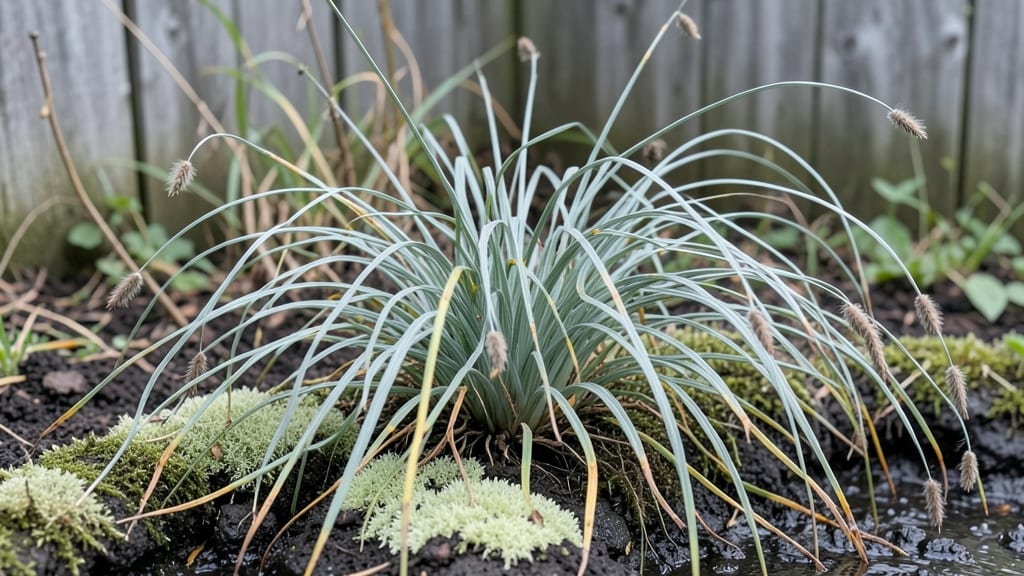
My boggy garden plants transformed from a soggy disappointment into a lush, thriving wetland oasis—here’s how I did it. 🌿 The secret isn’t fighting the water; it’s choosing plants that love it.
I learned this the hard way after my first batch of regular perennials rotted within weeks, but these swamp-loving varieties now make my yard the envy of the neighborhood.
You’ll need three things: native moisture-lovers like cardinal flower or sweet flag, containers with drainage holes for delicate species, and a simple soil test to check pH. Most of these plants prefer 6.0–7.5 pH and can handle standing water for weeks.
The key is matching plants to their natural habitat—think marshes, riverbanks, or bogs—and you’ll see them flourish where others fail.
By summer’s end, you’ll have vibrant foliage that stays green even after heavy rains, fragrant blooms that attract pollinators, and a garden that’s low-maintenance once established. My favorite?
The way irises spread effortlessly while keeping pests at bay—nature’s built-in pest control. The best part? These plants clean the water too, reducing that murky, stagnant look.
Works in rain gardens, low spots, or even containers on patios. Here’s the full list of swamp-proof plants and how to keep them happy—no more soggy disappointments, just year-round greenery that outshines dry-land gardens. Let’s get those roots wet!
📚 In This Guide
- What you need
- Instructions
- Tips and common mistakes
- Wrapping up and next steps
What you need
- ● Boggy garden plants: 3–5 varieties (e.g., Caltha palustris [Marsh Marigold], Iris pseudacorus [Yellow Flag], Carex oshimensis [Oshima Sedge], Mentha aquatica [Water Mint], and Gunnera manicata [Giant Rhubarb]). Choose based on your zone and light conditions.
- ● Well-draining soil amendments: Peat moss or coconut coir (5–10 gallons)
- ● Compost (2–3 cubic feet)
- ● Perlite or sand (1–2 gallons, for aeration)
- ● Water management tools: French drains or gravel trenches (if excessive water is an issue)
- ○ PVC pipes (optional, for redirecting water)
- ● Gardening basics: Trowel or transplant spade (for planting)
- ● Garden fork (for amending soil)
- ● Gloves (waterproof, if working in soggy conditions)
- ● Watering can or hose with a gentle spray nozzle
- ○ Optional but helpful: Soil pH test kit (bog plants prefer acidic to neutral soil, pH 5.0–7.0)
- ● Mulch (pine straw or wood chips, 2–3 inches thick, to retain moisture)
- ● Edging materials (stones or bricks, to define plant beds)
- ● Location: A spot with at least 6+ hours of sunlight (or partial shade for sensitive varieties like Hosta). Test drainage by digging a hole—if water pools after 24 hours, you’re ready!
- ● Timing: Plant in spring or early fall to avoid frost or extreme heat.
- ● Safety: Wear boots if your garden is truly swampy—some bog plants (like Gunnera) can get heavy!
How to design a thriving wetland garden
Turn that soggy patch into a lush, functional ecosystem with these proven water-loving plants.
🌱 Step 1: Select Plants for Your Wetland Zones
Start by mapping your site’s moisture levels—permanent water (like a pond edge) supports hardy varieties like cattails and pickerelweed, while seasonally wet areas (6+ months moisture) thrive with blue flag iris and swamp milkweed. I always plant in three moisture gradients: the driest edge gets carex sedges and marsh marigolds, while the deepest water gets water lilies and arrowheads. Check each plant’s mature spread to avoid overcrowding.
For 4 servings (as defined by your layout), you’ll want 2-3 plants per variety to create visual impact while maintaining ecological balance. Group plants with similar water needs together—this prevents root competition and creates natural-looking drifts. I like to include at least one pollinator magnet (like swamp azalea) and one wildlife shelter (like buttonbush) to maximize biodiversity.
🪴 Step 2: Amend Soil for Optimal Drainage and Aeration
Test your soil’s pH—most wetland plants prefer slightly acidic to neutral (5.5-7.0). If your soil is clay-heavy (common in boggy areas), mix in 2-3 inches of organic matter like composted leaves or peat moss to improve aeration. I avoid sand—it compacts when wet and creates anaerobic pockets that suffocate roots. Instead, blend in shredded hardwood mulch (from your list) to break up clay and retain moisture.
For 4 servings, spread 1 cubic yard of organic matter evenly across your planting area. Work it into the top 6-8 inches of soil, but don’t dig deeper—wetland plants have shallow, fibrous roots that thrive just below the surface. After amending, water deeply to settle the soil and encourage microbial activity, which will break down organic material faster.
☀️ Step 3: Plant with Proper Spacing for Air Circulation
Dig holes twice as wide as the root ball but only as deep as the container’s base. Wetland plants hate having their crowns buried—set them at the same level they were in their nursery pots. For 4 servings, space perennials 18-24 inches apart and shrubs 3-5 feet apart, depending on their mature size. I always plant in clusters of 3-5, staggering them slightly to mimic natural growth patterns.
Fill the holes with water before inserting plants—this prevents air pockets that can kill roots. Backfill with the amended soil, pressing gently to eliminate gaps. Water again to settle the soil around the roots. Avoid compacting too firmly; wetland plants need loose, oxygen-rich soil to thrive. Mulch with 3-4 inches of shredded hardwood mulch (from your list) to suppress weeds and retain moisture.
💧 Step 4: Manage Water Levels for Plant Health
Most wetland plants need 6-12 inches of standing water during peak growing season (spring to early fall). If your site doesn’t naturally hold water, create shallow basins or berms to direct runoff. For 4 servings, ensure at least one permanent water feature (like a small pond or bog garden) to support moisture-loving species. Monitor water levels—too little causes wilting, while too much (over 18 inches) can drown roots.
Adjust water levels seasonally: reduce depth in late summer to prevent fungal diseases like root rot, and increase it in spring to encourage vigorous growth. I use perforated drainage pipe buried at the edges of planting areas to control water flow if needed. Fertilize lightly in spring with balanced organic fertilizer (10-10-10) to support new growth without overloading the soil.
✂️ Step 5: Prune and Maintain for Long-Term Success
Deadhead spent flowers in late summer to redirect energy into root growth for winter. For 4 servings, focus on removing no more than 1/3 of the plant at a time to avoid stress. I prune cattails and sedges back by half their height in early spring to encourage bushier growth. Avoid pruning in fall—many wetland plants rely on foliage to photosynthesize even in cooler months.
Check for invasive species like purple loosestrife and remove them immediately—they outcompete native plants and disrupt the ecosystem. Divide crowded clumps (like iris or hostas) every 3-4 years in early spring to maintain vigor. In winter, leave dead stems on seed-producing plants (like buttonbush) to provide habitat for birds and insects.
Tips & tricks for perfect wetland plant arrangements
These insider strategies will help you transform even the most stubborn soggy patches into thriving, biodiverse wetland gardens that hum with life.
Zone Mapping is Everything: Before you buy a single plant, spend 30 minutes sketching your site's moisture gradients with a simple garden flag system. I use colored stakes (red for permanent water, blue for seasonal, green for occasional) to mark zones—this prevents costly mistakes when placing moisture-sensitive species like water lilies in areas that dry out. The 6-12 inch water depth range during peak season is critical: too little causes wilting, while too much (over 18 inches) creates anaerobic conditions that suffocate roots.
Soil Science Over Guesswork: That 2-3 inches of organic matter you're mixing in isn't just for show—it's about creating the perfect air-water balance. I've seen gardeners ruin perfectly good wetland gardens by using sand (which compacts when wet) instead of shredded hardwood mulch or composted leaves. Test your amended soil's moisture retention by squeezing a handful: it should hold together but not drip water. For clay-heavy soils, work the organic matter into the top 6-8 inches only—wetland plants have shallow roots that need oxygen.
Plant Placement Psychology: The clusters of 3-5 plants I recommend creates natural-looking drifts that mimic wild ecosystems. Here's the secret: stagger your clusters in a diagonal pattern rather than straight lines. This creates visual interest while allowing air to circulate between plants—critical for preventing fungal diseases. When planting buttonbush or swamp azalea (your pollinator magnets), place them where they'll receive at least 4 hours of morning sun—these species thrive with bright light but need afternoon shade in hot climates.
Water Management Hacks: That perforated drainage pipe I mention isn't just for emergencies—it's your secret weapon for precise water control. Bury it at the edges of your planting areas and connect it to a simple valve system you can adjust seasonally. In late summer, reduce water depth to prevent root rot; in spring, increase it to encourage vigorous growth. Pro tip: Add a floating solar-powered fountain (optional) to oxygenate stagnant water and attract dragonflies—nature's mosquito control.
Pro Tips for Boggy Garden Plants
- These insider strategies will help you transform even the most stubborn soggy patches into thriving, biodiverse wetland gardens that hum with life.
- Zone Mapping is Everything: Before you buy a single plant, spend 30 minutes sketching your site's moisture gradients with a simple garden flag system.
- Soil Science Over Guesswork: That 2-3 inches of organic matter you're mixing in isn't just for show—it's about creating the perfect air-water balance.
Frequently asked questions
Got questions about boggy garden plants?
You’re not alone! Here are some of the most common queries—plus straightforward answers to help you navigate soggy soil like a pro.
What are the best boggy garden plants for beginners?
Start with hardy, low-maintenance picks like Caltha palustris (marsh marigold), Iris pseudacorus (yellow flag iris), or Carex sedges. These tolerate wet feet, spread easily, and add instant color or texture. Avoid fussy tropicals—stick to native or cold-hardy varieties for stress-free growing!
When is the best time to plant boggy garden plants?
Plant in early spring or fall when soil is moist but not waterlogged. Avoid summer heatwaves, which can stress roots. If transplanting mature plants, do it on a cloudy day or water thoroughly afterward to reduce shock. Pro tip: Amend soggy spots with compost before planting to improve drainage just enough for roots to breathe!
Can I grow vegetables in boggy soil?
Yes! Try kale, lettuce, or rhubarb—they handle moisture well. For root crops like carrots, raise beds or mix in sand to prevent rot. Avoid potatoes and onions; they’ll turn mushy. Container gardening with well-draining mixes is a lifesaver for veggies in swampy patches!
How do I fix a garden that’s too boggy?
Start by improving drainage: Dig a shallow trench around the area and fill it with gravel. For small spots, mix in perlite or coconut coir to soil. If water pools after rain, consider a French drain or raised beds. Avoid over-tilling—it compacts soil further!
Will bog plants attract pests or mosquitoes?
Not necessarily! Many wetland plants (like mints or cattails) repel pests naturally. However, stagnant water can breed mosquitoes—so ensure good circulation with fountains or aerators. Choose native species; they’re adapted to local ecosystems and less likely to disrupt balance.
Can I use bog plants in containers?
Use large pots with drainage holes and fill with a mix of peat moss, perlite, and potting soil. Great container picks: Swamp milkweed, Purple loosestrife, or Water hyacinth (for ponds). Tip: Elevate containers on saucers to prevent root rot!
Wrapping up and next steps
Transforming a boggy garden into a lush, thriving space is easier than you think! 🌿 By choosing the right wet-loving plants—like cattails, marsh marigolds, or water mint—you can create a vibrant ecosystem that even soggy soil can’t dampen.
These hardy varieties not only survive but flourish in moisture-rich conditions, adding beauty and biodiversity to your outdoor oasis.
Ready to dive in? Start small: pick one or two plants to test your soil’s drainage, then expand your wetland garden with confidence. Happy planting—your future water garden will thank you! 🌊✨