
Neem Oil
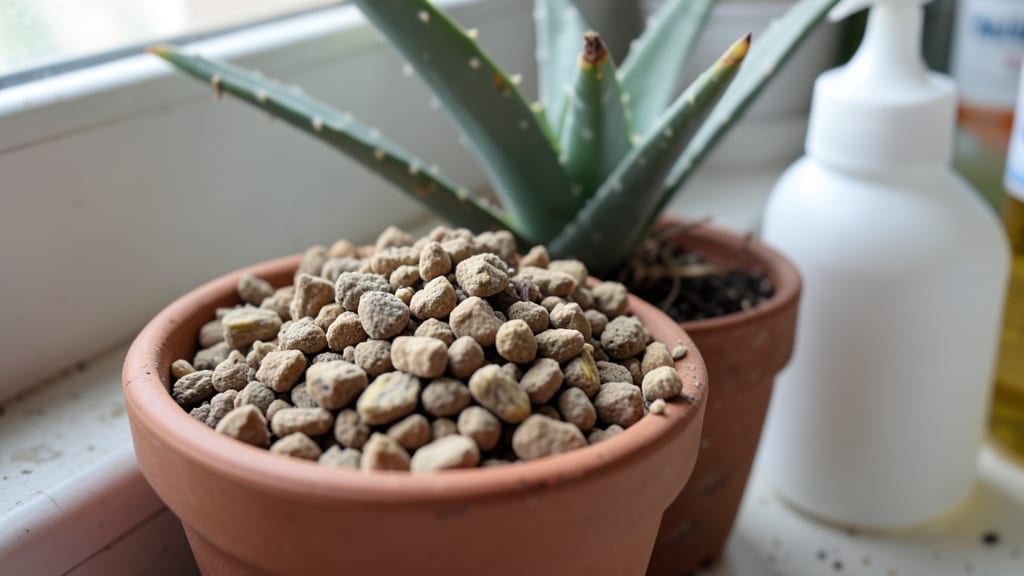
Neem oil won’t burn plants when used correctly—but I’ve seen it scorch leaves when applied too strong or in direct sun. The key is dilution and timing, and I’ll walk you through the exact ratios and techniques that keep your garden thriving, not wilting.
My first mistake was grabbing the concentrated oil straight from the shelf and spraying it on my pepper plants midday.
Most damage happens from over-concentration (stronger than 1-2% oil) or applying it when leaves are hot from sun. Even citrus and succulents—often called sensitive—handle neem oil fine if you stick to 1 tablespoon per quart of water and spray in the early morning or evening.
The oil works by disrupting pests’ life cycles, not by burning, so proper prep is everything.
You’ll know it’s working when aphids vanish within days, but watch for yellowing leaves or crispy edges—those are signs of overuse. Vegetables like tomatoes and peppers tolerate it best, while some herbs (like basil) may need even gentler mixes.
The good news? Even if you slip up, most plants bounce back with a good watering.
For extra-sensitive plants, try azadirachtin-free neem oil or swap to insecticidal soap—it’s milder but still effective. The right approach means fewer pests, no damage, and a garden that stays lush all season. Let’s get those sprays calibrated right.
Root Causes Of Plant Burns
Neem oil is a natural powerhouse in gardening, but when misapplied, it can turn your green friends into crispy critters. Let’s break down the science behind why this happens—so you can avoid it like a pro.
Neem oil is potent, and like many concentrated botanical extracts, too much of a good thing can backfire. Pure neem oil is typically 100% cold-pressed, meaning it’s highly refined and contains azadirachtin (the active compound) at high levels. When you dilute it improperly, the oil can:
- Clog stomata (tiny plant pores) – Stomata regulate gas exchange, but excess oil can suffocate them, blocking oxygen and water uptake. - Disrupt the cuticle – Plants have a waxy outer layer (the cuticle) that protects against pathogens.
Overly concentrated neem oil can dissolve or strip this layer, leaving plants vulnerable to dehydration and sunburn. - Trigger phytotoxicity – Some plants (like succulents, citrus, or young seedlings) are extra sensitive to high azadirachtin levels, leading to browning, wilting, or leaf drop.
💡 Pro Tip: Stick to the 1-2% dilution rate (1–2 tbsp per gallon of water) for most plants. For delicate species, halve the concentration or use a pre-diluted neem oil product.
Neem oil isn’t just about what you spray—it’s also about when. Applying it at the wrong time can turn your garden treatment into a burning disaster. Here’s why:
- Direct sunlight exposure – Neem oil contains photosensitizing compounds that can make plants more susceptible to UV damage.
If you spray in peak sun (10 AM–4 PM), the oil can act like a magnifying glass, concentrating sunlight and causing leaf scorch (yellowing or white patches). - Hot or dry conditions – Heat accelerates evaporation, leaving behind a sticky residue that traps moisture, promoting fungal growth or chemical burns on tender foliage. - Post-rain or water-stressed plants – Wet leaves + neem oil = a slippery, uneven coat that doesn’t dry properly, increasing burn risk.
Similarly, wilting or drought-stressed plants have compromised cell walls, making them more prone to damage.
⏰ Actionable Fix:
- Spray early morning or late evening (when temps are cooler and humidity is higher).
- Avoid watering for 6–12 hours before or after application to prevent runoff or uneven absorption.
- Skip neem oil on stressed plants—wait until they’re revived.
Neem oil’s effectiveness (and safety) hinges on environmental conditions. Here’s how heat and humidity play a role:
| Factor | Risk Level | Why It Burns Plants |
|---|---|---|
| High temps (>85°F/30°C) | ❌ High | Oil evaporates too fast, leaving a concentrated, sticky residue that clogs pores. |
| Low humidity (<40%) | ❌ High | Dry air speeds up evaporation, increasing phytotoxicity. |
| High humidity (>70%) | ✅ Low (but watch for mold) | Slower drying = better absorption, but excess moisture can promote fungal growth if oil sits too long. |
🌡️ Best Conditions for Safe Use:
- Ideal temp range: 60–80°F (15–27°C)
- Humidity: 50–60% (avoid extreme dryness or dampness)
- Wind: Light breeze only (strong winds cause uneven coverage and drift, increasing burn risk).
💡 Pro Tip: If your climate is consistently hot/dry, use a surfactant (like dish soap, 1 tsp per gallon) to help the oil spread evenly and reduce residue buildup.
Not all plants react the same way to neem oil. Some are hardy, while others are delicate doormats. Here’s the breakdown:
- Highly sensitive plants (burn risk: ❌❌❌)
- Succulents & cacti – Their thick cuticles usually resist burns, but over-concentration can still cause yellowing or mushy spots.
- Citrus trees – Thin, aromatic leaves absorb oils quickly, leading to browning edges or leaf drop.
- Young seedlings – Tiny leaves have underdeveloped protective layers, making them easy targets for phytotoxicity.
- Ornamental plants (e.g., poinsettias, ferns) – Often not labeled safe for neem; test a small area first.
- Moderately sensitive plants (burn risk: ⚠️⚠️)
- Herbs (basil, mint, dill) – Can tolerate neem but may wilt slightly if over-sprayed.
- Vegetables (tomatoes, peppers, lettuce) – Usually fine at 1% dilution, but avoid foliage contact on leafy greens (harvest before spraying).
- Neem-tolerant plants (burn risk: ✅✅✅)
- Fruit trees (apple, pear, peach)
- Lawns & grasses (when properly diluted)
- Houseplants (pothos, snake plant, spider plant) – Less sensitive but still test first.
🎯 Solution: Always check plant labels or research before applying. When in doubt, do a patch test on a small leaf—wait 24–48 hours to monitor for reactions.
Neem oil isn’t meant to be a cocktail party. Mixing it with the wrong additives can amplify burn risk or neutralize its benefits. Common offenders:
- Harsh detergents or soaps – Some degreasers or castile soap can strip the cuticle faster than neem alone, leading to leaf curl or blistering. - Pesticides with similar active ingredients – Combining neem with other oils (like horticultural oil) or synthetic pesticides can overwhelm plant defenses. - Alkaline solutions (e.g., baking soda sprays) – Neem oil is slightly acidic (pH ~5–6).
Mixing it with basic substances (pH >7) can cause chemical reactions that irritate foliage.
✨ Safe Additives (If Needed):
- Mild, plant-based surfactants (e.g., 1 tsp of unscented liquid Castile soap per gallon).
- Water + neem oil only (simplest and safest for most cases).
The key to burn-free neem oil use boils down to three Cs:
- Concentration (dilute properly!)
- Conditions (timing, temp, humidity)
- Compatibility (plant type + additives)
By mastering these, you’ll harness neem’s power without frying your foliage. 🌿🔥
How to Fix Neem Oil Damage Quickly
Neem oil is a garden powerhouse—but even the best tools can cause accidents if misused. If your plants show signs of neem oil burns (yellowing leaves, crispy edges, or wilting), don’t panic.
Here’s a step-by-step guide to revive your plants and prevent future damage, tailored to the root cause of the issue.
Problem: Too much neem oil (or improper dilution) stripped protective layers from leaves.
Fix It: ✅ Rinse Gently – Use a soft spray bottle with room-temperature water (not cold) to mist affected leaves. Avoid harsh streams that could bruise foliage further.
✅ Boost Humidity – Place a humidifier nearby or group plants together to retain moisture. For severe cases, lightly mist leaves 2–3 times daily until new growth appears.
✅ Fertilize Lightly – After 3–5 days, apply a balanced, water-soluble fertilizer (like 10-10-10) at half-strength to help recovery. Avoid high-nitrogen fertilizers if the burn is severe—they can stress plants further.
💡 Pro Tip: If possible, trim severely damaged leaves with clean scissors to redirect energy to healthier growth.
Problem: Neem oil left on leaves acted like a magnifying glass, increasing heat stress.
Fix It: ✅ Move Plants to Shade – Relocate them to a dappled sunlight spot (e.g., under a tree or sheer curtain) for 5–7 days until they recover.
✅ Shade Cloth Solution – If you can’t move plants, drape lightweight shade cloth (30–50%) over them to reduce direct sun exposure.
✅ Hydrate Deeply – Water slowly at the base (not overhead) to prevent fungal issues. Use lukewarm water to avoid shocking roots.
🌡️ Watch for Heat Stress: If leaves feel crispy or dry to the touch, increase watering frequency slightly.
Problem: Spraying neem oil too heavily, on wrong surfaces, or in extreme temps led to damage.
Fix It: ✅ Dilute & Reapply Correctly – Mix 1 tsp neem oil + 1 tsp mild soap (like Castile) per quart of water. Spray only on undersides of leaves (where pests hide) and avoid oversaturating.
✅ Apply at the Right Time – Early morning or late afternoon (when temps are below 85°F/30°C) to prevent evaporation and burns.
✅ Avoid Wetting Flowers/Fruit – If treating flowering plants, skip neem oil or use a safer alternative (like neem cake or horticultural oil).
🔥 Emergency Fix: If flowers/fruit were sprayed, rinse immediately with water to prevent residue buildup.
Problem: Neem oil was poured directly on soil or over-fertilized, harming roots.
Fix It: ✅ Flush the Soil – Water the plant deeply for 10–15 minutes to dilute any concentrated oil in the soil.
✅ Test Soil pH – Neem oil can lower pH slightly. Use a soil test kit—if pH drops below 6.0, amend with lime (for acidic soil) or wood ash (for alkaline soil).
✅ Use a Root Stimulator – After flushing, apply a mycorrhizal fungus or seaweed extract to revive beneficial microbes in the soil.
✨ Prevention Tip: Always apply neem oil as a foliar spray—never directly to soil unless using neem cake (organic granules).
Problem: Weak plants (from drought, pests, or poor soil) can’t recover from neem oil stress.
Fix It: ✅ Strengthen Roots First – Before reapplying neem oil, feed with compost tea or fish emulsion to boost plant resilience.
✅ Reduce Stressors – Check for pests, diseases, or nutrient deficiencies (yellow leaves = nitrogen; brown spots = fungal issue). Treat the root cause before using neem again.
✅ Use a Gentle Alternative – If plants are still struggling, switch to:
- Neem seed extract (less concentrated)
- Beauveria bassiana (for fungal/pest issues)
- Insecticidal soap (for soft-bodied pests)
💡 Pro Tip: Avoid neem oil for 2–3 weeks while plants recover, then reintroduce it slowly with proper dilution.
To avoid neem oil burns in the future, follow these golden rules:
- Dilute properly: 1 tsp neem oil + 1 tsp soap per quart of water (never use undiluted).
- Spray early/late when temps are below 85°F (30°C).
- Avoid wetting flowers/fruit—use neem cake for soil applications instead.
- Test on 1–2 leaves first before full application.
- Store neem oil correctly in a cool, dark place (heat degrades it).
- Rotate with other treatments (e.g., neem + pyrethrin for tough pests).
Final Thought: Most neem oil burns are temporary if caught early. With these fixes, your plants should bounce back in 1–3 weeks—and you’ll be a neem oil pro for next time! 🌱💚
Frequently asked questions
Why does neem oil sometimes cause leaf burn?
Neem oil burns plants when it's too concentrated or applied in direct sunlight. The oil contains azadirachtin, which can disrupt plant cell membranes if not properly diluted (stick to 1-2 teaspoons per quart of water). Heat accelerates evaporation, leaving a sticky residue that clogs leaf pores and causes scorch marks.
Which plants are most sensitive to neem oil?
Citrus trees, succulents, young seedlings, and ornamental plants like ferns are most at risk. Their delicate leaves absorb oil quickly, leading to browning edges or wilting. Always test a small leaf area first and use half the recommended concentration for these varieties.
Yes, but with caution! Tomatoes tolerate neem well at 1% dilution, but avoid spraying directly on fruit (rinse before eating). For leafy greens, harvest before applying to prevent residue. Always wait 24 hours before consuming treated produce.
How do I fix neem oil damage if it's too late?
Gently rinse affected leaves with lukewarm water and move plants to shade. Boost humidity with a light misting and fertilize lightly (half-strength balanced fertilizer) after 3-5 days. Trim severely damaged leaves to encourage new growth.
Is there a safer alternative for sensitive plants?
Try insecticidal soap or neem seed extract (less concentrated). For fungal issues, Beauveria bassiana is a gentle organic option. Always check labels—some plants respond better to horticultural oils or pyrethrin-based sprays.