
Planting
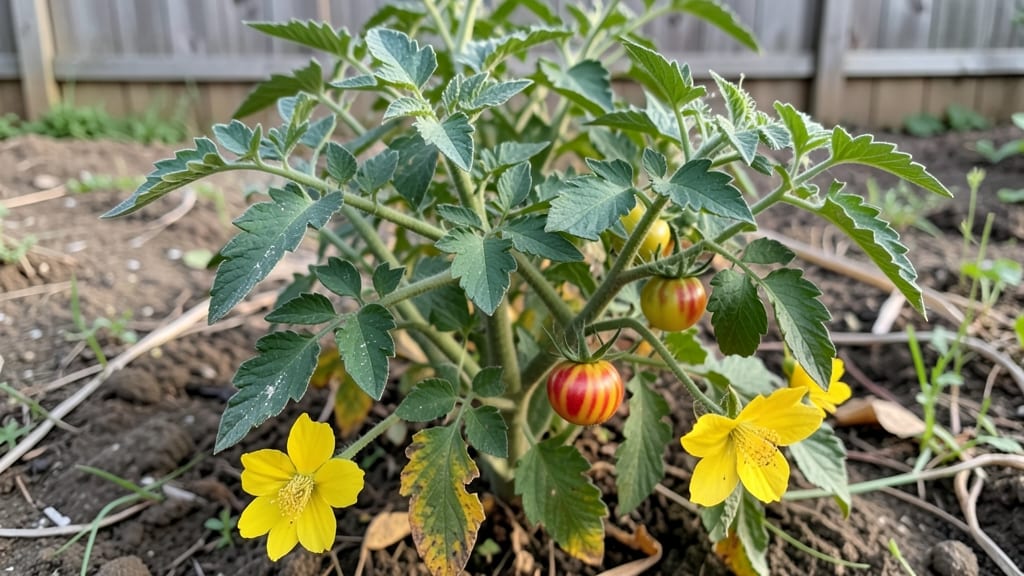
Growing Candyland tomato plants means biting into tomatoes that taste like summer in every juicy, vibrant red slice. 🌱 I fell for this variety after my first harvest—those sweet, balanced flavors and compact size made it the perfect plant for containers or small gardens.
The key to unlocking that candy-like taste lies in the way they grow: sturdy, bushy plants that produce fruit without sprawling everywhere.
These tomatoes thrive when planted in well-draining soil with plenty of organic matter, and they love basking in full sun for at least 6-8 hours daily. Watering consistently but avoiding soggy soil keeps the fruits sweet and prevents cracking.
Unlike some varieties, Candyland doesn’t need heavy pruning—just a light trim to improve airflow and encourage more fruit production. The real secret? Patience. Plants take about 70-80 days to mature, but the wait is worth every juicy bite.
You’ll know you’ve succeeded when your plants are heavy with 1-inch red tomatoes that burst with flavor, not bitterness. The bushy growth habit means no staking headaches, and the compact size fits perfectly in 5-gallon containers or garden beds.
Even in hot summers, these tomatoes stay productive, giving you a steady supply for salads, slicing, or just snacking straight from the vine. The first harvest will have you hooked for life.
Fair warning: once you try Candyland tomatoes, store-bought ones won’t compare. These plants reward careful attention with sweet, consistent flavor and a growth habit that’s beginner-friendly but impressive.
Whether you’re growing in pots or the ground, this variety proves you don’t need a sprawling garden to grow tomatoes that taste like candy. Let’s get those seeds in the soil!
📚 In This Guide
- What you need
- Instructions
- Tips and common mistakes
- Wrapping up and next steps
What you need
- ● Candyland tomato seeds (or a young seedling from a nursery) – 1-2 plants per container
- ● Containers or garden plot – 5-gallon pots (minimum) or a well-draining garden bed
- ● Potting mix – High-quality, well-draining soil (or a mix of 60% potting soil + 40% compost)
- ● Tomato cages or stakes – 3-4 ft tall for support (Candyland grows bushy!)
- ● Balanced fertilizer – 10-10-10 or organic options like compost tea
- ● Mulch – Straw or shredded leaves to retain moisture
- ● Watering can or hose with a gentle spray nozzle
- ● Pruning shears – For shaping and removing suckers
- ○ Gloves (optional but recommended) – To protect hands from thorns
- ● Grow lights or sunny windowsill – For early seedling growth (if starting indoors)
- ● Drip irrigation system – For consistent watering
- ● Epsom salt – Boosts magnesium for vibrant red fruit
- ● Row covers or shade cloth – Protects from pests or harsh sun
- ● Plant markers – To label your Candyland tomatoes!
Step-by-step guide to growing a thriving Candyland tomato plant
This heirloom variety delivers sweet, vibrant red fruits on a compact bush—ideal for containers or small gardens.
🌱 Step 1: Select and Prepare the Right Container
Candyland tomatoes thrive in 5-gallon containers with multiple drainage holes—their bushy growth demands space to develop strong roots. I use fabric grow bags because they prevent root circling and improve airflow. Place a 2-inch layer of gravel at the bottom to ensure proper drainage and prevent soggy roots.
Fill the container with sterile potting mix (never garden soil—it compacts and suffocates roots). Candyland tomatoes prefer a well-draining, nutrient-rich mix with added compost. Moisten the soil until it feels like a damp sponge—you shouldn’t see water pooling at the bottom. This ensures the roots stay hydrated without drowning.
☀️ Step 2: Plant and Provide Optimal Light Conditions
Plant your Candyland tomato seedling at the same depth it was growing in its nursery pot, pressing the soil gently around the base to eliminate air pockets. Space multiple plants 18-24 inches apart to allow airflow and reduce disease risk. I always add a slow-release fertilizer (like 10-10-10) mixed into the soil at planting to give the plant a nutrient boost from the start.
Place your container in a spot with full sun exposure—at least 6-8 hours of direct sunlight daily. Candyland tomatoes are heat-tolerant but need consistent warmth to produce vibrant red fruits. If growing indoors, position under a grow light (14-16 hours of light per day) to compensate for weaker natural light. Watch for leggy growth—if stems stretch too tall, your light source is too far away.
💧 Step 3: Water and Fertilize for Bushy Growth
Water deeply once a week, soaking the soil until it drains freely from the bottom. Candyland tomatoes hate soggy roots but also need consistent moisture—let the top 1-2 inches of soil dry out between waterings. I use a soaker hose or watering can with a narrow spout to deliver water directly to the base without wetting the leaves, which helps prevent fungal diseases like blight.
Feed your plant every 2-3 weeks with a balanced liquid fertilizer (like 5-5-5) diluted to half strength. Candyland tomatoes respond well to compost tea applied mid-season for extra nutrients and beneficial microbes. You’ll know your plant is happy when it produces dark green, glossy leaves and multiple flower clusters—this is when the magic happens.
✂️ Step 4: Prune and Support for Maximum Yield
Candyland tomatoes are determinate, meaning they grow in a compact bush shape and stop at a certain height. Prune only to remove yellow or diseased leaves—never trim the main stems, as this can reduce fruit production. Install a sturdy cage or trellis at planting to support the plant as it grows; Candyland tomatoes can reach 3-4 feet tall and need support to keep fruits off the ground.
Pinch off the first flower cluster if it appears early in the season—this encourages the plant to focus on foliage growth first. Once the plant establishes a strong base, it will produce abundant clusters of red fruits without needing extra encouragement. Harvest when tomatoes reach full red color and are slightly soft to the touch—this ensures peak sweetness and flavor.
🌿 Step 5: Maintain Through Harvest and Beyond
Continue watering deeply every 5-7 days as the plant matures, adjusting for heat waves or drought conditions. Candyland tomatoes are drought-tolerant once established, but consistent moisture prevents cracking and ensures sweet fruit. Mulch around the base with 2-3 inches of organic mulch (like straw or shredded leaves) to retain moisture and suppress weeds.
Harvest fruits every 2-3 days as they ripen to encourage continuous production. Store unripe tomatoes in a cool, dark place (like a pantry) to finish ripening—Candyland tomatoes continue to sweeten after picking. At the end of the season, let the plant die back naturally and compost the remains. Save seeds from the best fruits for next year’s garden!
Tips & tricks for perfect Candyland tomato growth
A few key insights will help you coax the most vibrant red fruits from your Candyland tomato plant—these are the secrets I've learned after years of growing this heirloom variety.
Container Selection Matters: While 5-gallon containers are ideal, don't overlook the importance of drainage. I've found that adding a 2-inch gravel layer at the bottom isn't just about drainage—it creates an air pocket that prevents root suffocation. For extra insurance, consider using containers with built-in saucers to catch excess water, which keeps your patio or balcony clean while preventing soggy soil.
Light Optimization Strategy: The 6-8 hours of direct sunlight requirement is non-negotiable, but here's what nobody tells you: Candyland tomatoes actually perform better with morning sun and afternoon shade in hot climates. If you notice leaves curling or turning yellow during peak afternoon heat, move your container to a spot with filtered light for a few hours. This simple adjustment can double your fruit production by preventing heat stress.
Watering Wisdom: That "once a week" guideline works perfectly in average conditions, but real-world growing requires adjustments. I've learned to check soil moisture by sticking my finger 1-2 inches deep—if it feels dry, it's time to water. The key is maintaining consistent moisture without waterlogging, which is why I recommend using a moisture meter for precision. Overwatering is the #1 cause of blossom end rot in Candyland tomatoes, so err on the side of slightly drier rather than too wet.
Fertilizer Timing: The 2-3 week feeding schedule is spot-on, but here's my pro tip: Switch to a lower-nitrogen fertilizer (like 2-4-2) when you see flower clusters forming. This redirects the plant's energy from leaf growth to fruit production, resulting in those sweet, vibrant red tomatoes we all love. I also add a handful of banana peels to the soil every few weeks—the potassium boost enhances sweetness dramatically.
Pro Tips for Candyland Tomato Plant
- A few key insights will help you coax the most vibrant red fruits from your Candyland tomato plant—these are the secrets I've learned after years of growing this heirloom variety.
- Container Selection Matters: While 5-gallon containers are ideal, don't overlook the importance of drainage.
- If you notice leaves curling or turning yellow during peak afternoon heat, move your container to a spot with filtered light for a few hours.
Frequently asked questions
Got questions about growing your own Candyland tomato plant? You're not alone! Here are some of the most common queries—plus straightforward answers to help you cultivate vibrant, sweet tomatoes with ease.
How long does it take for Candyland tomatoes to produce fruit?
The Candyland tomato plant typically starts flowering 6-8 weeks after transplanting (or 8-10 weeks from seed). Fruit sets in 50-60 days from flowering, so expect your first juicy tomatoes 3-4 months after planting outdoors. Patience pays off—these beauties are worth the wait!
Can Candyland tomatoes grow in containers, or do they need a garden bed?
This bushy variety thrives in 5-gallon containers or larger with proper drainage. Just ensure the pot gets 6-8 hours of sunlight and use a balanced fertilizer every 2-3 weeks. Containers limit root spread, so prune suckers lightly to keep energy focused on fruit production.
What pests or diseases should I watch for with Candyland tomatoes?
Common culprits include aphids, hornworms, and early blight. Prevent issues by:
- Using neem oil or insecticidal soap for pests.
- Spacing plants 2-3 feet apart for airflow (reduces fungal diseases).
- Removing lower leaves to keep soil-borne pathogens at bay.
Can I grow Candyland tomatoes in cooler climates, or do they need heat?
This variety tolerates cooler temps better than many heirlooms but still needs warmth to thrive. Start seeds indoors 6-8 weeks before last frost, then transplant after soil reaches 55°F+. Use row covers or a greenhouse to extend the season in chilly areas. Avoid planting until nighttime temps stay above 50°F—frost will fry the plants!
Are Candyland tomatoes better for slicing, sauces, or snacking?
These versatile gems excel at all three! Their sweet, low-acid flavor makes them perfect for:
- Snacking fresh (bursting with juice!).
- Caprese salads or sandwiches.
- Light sauces (less acidity = smoother taste).
Wrapping up and next steps
Growing a Candyland tomato plant is a rewarding journey that brings bold, sweet flavors and stunning red fruits to your garden! With the right care—sunlight, support, and a little patience—you’ll enjoy a bountiful harvest that’s perfect for salads, sauces, or fresh snacking. 🍅✨
Ready to take the next step? Start by gathering your supplies, then plant with confidence—your taste buds (and dinner table) will thank you! Happy gardening!