
Planting
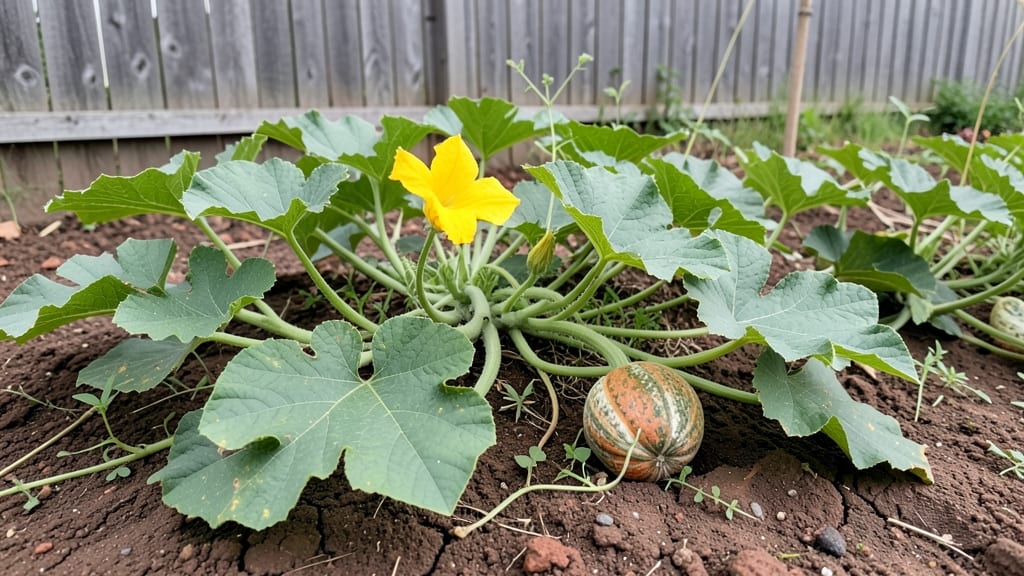
Growing carnival squash plants from seed means fast germination and a summer of golden, ribbed fruits that taste like sunshine. 🌱 I’ve watched these vines take over a patch in just 45 days—starting from a single seed—because they’re one of the quickest squash varieties to sprout and mature.
The secret isn’t just speed, though; it’s how they reward you with heavy yields of sweet, dense flesh that holds up better than store-bought butternut.
You’ll need a sunny spot with rich, well-draining soil (think compost mixed in) and plenty of space—these vines sprawl 6-8 feet if given room. The key to fast starts is pre-sprouting seeds indoors 2 weeks before your last frost, then transplanting when soil hits 60°F.
Water consistently but avoid soggy roots, and watch for squash bugs early—they’re sneaky but beatable with row covers or neem oil.
By mid-summer, you’ll be harvesting 3-5 pound fruits that stay crisp for weeks. The first few vines produce enough for my family’s meals for months, and the plants keep giving until frost.
Even if you’ve killed squash before, these are forgiving—they bounce back from pests, drought, and even late starts better than fussy varieties.
Works in containers if you trim vines (though yields drop) or sprawled in garden beds. The real magic? How fast they turn a patch of dirt into a harvest. Ready to grow yours?
📚 In This Guide
- What you need
- Instructions
- Tips and common mistakes
- Wrapping up and next steps
What you need
- ● Carnival squash seeds: 3–5 seeds (or 1–2 plants if starting with transplants). Choose heirloom or organic seeds for best results.
- ● Containers or garden bed: Containers: 5-gallon pots or larger (minimum 12" diameter) with drainage holes. Use 3–5 containers per plant if growing in pots.
- ● Garden bed: Full sun (6+ hours/day), well-draining soil, and space for vines to spread (12–18" apart).
- ● High-quality potting mix: 10–15 lbs of organic, well-draining soil (add perlite or compost for aeration).
- ● Compost or fertilizer: 1–2 cups of balanced organic fertilizer (5-5-5 or 10-10-10) or compost per plant.
- ● Mulch: Straw or shredded leaves (2–3 inches) to retain moisture and suppress weeds.
- ● Hand trowel or transplanting spade for planting.
- ● Watering can or hose with a gentle spray nozzle (avoid overwatering!).
- ○ Garden twine or trellis (optional): Carnival squash vines can grow 10+ feet—provide support if desired!
- ● Pruning shears for trimming excess vines or removing yellowing leaves.
- ○ Row covers or shade cloth (optional): Protect seedlings from pests or harsh sun if needed.
Step-by-Step instructions for growing carnival squash
Here’s my foolproof method for fast, healthy vines and plump fruit—no guesswork involved.
🌱 Step 1: Prepare Soil and Plant Seeds Indoors
Start seeds 6-8 weeks before your last frost date in the seed-starting mix you’ve pre-warmed to 75-85°F. Fill the 4-cell seed tray to the top, then make a ¼-inch-deep hole per cell using your finger. Drop 2 seeds per hole—Carnival squash germinates quickly, and you’ll thin later.
Cover seeds with a light dusting of mix, then mist gently with warm water until the surface looks damp but not soggy. Place the tray under a grow light (or in a sunny window) and keep soil consistently moist—not wet. Germination happens in 3-7 days, but don’t be surprised if sprouts appear in just 3 days with warm soil.
☀️ Step 2: Harden Off and Transplant Seedlings
Once seedlings have 2 true leaves (not the initial seed leaves), start hardening them off. Move the tray outside for 1 hour daily, gradually increasing time over 7-10 days until they’re out all day. This toughens stems so they don’t snap when transplanted.
After the last frost, choose a sunny spot with full sun (6+ hours daily) and soil that drains well. Dig a hole twice as wide as the root ball and 1 inch deeper than the tray depth. Gently remove a seedling, place it in the hole, and fill with soil, pressing lightly to eliminate air pockets. Space plants 3-4 feet apart—Carnival squash vines spread fast.
💧 Step 3: Water and Fertilize for Fast Growth
Water deeply at the base every 2-3 days—aim for 1 inch of water per week. Avoid wetting leaves to prevent powdery mildew. Use the slow-release fertilizer by sprinkling 1 tablespoon per plant around the base, then water to activate. Repeat every 4-6 weeks for steady growth.
Mulch with straw to retain moisture and suppress weeds. Keep the mulch 2 inches thick and 2 inches away from stems to prevent rot. You’ll see rapid vine growth within 2 weeks—this variety thrives when roots stay cool and soil stays moist.
✂️ Step 4: Prune and Harvest for Bountiful Fruit
When vines reach 3 feet long, pinch off the tip of the main stem to encourage bushier growth. Remove any yellowing leaves or damaged vines with clean pruners to redirect energy to fruit production. Carnival squash produces bright orange fruit—harvest when they’re 6-8 inches long and firm to the touch.
Use a sharp knife to cut fruit from the vine, leaving a 1-inch stem. Harvesting prompts more blooms and fruit. Store squash in a cool, dry place for up to 2 weeks, or use them fresh in dishes—you’ll love how fast they go from seed to table.
Tips & tricks for perfect carnival squash vines
Fast germination and healthy growth start with these key tricks—don't skip these steps if you want that bountiful harvest in record time!
Soil Temperature is Everything: That 75-85°F soil temperature in Step 1 isn't just a suggestion—it's the secret to those 3-day germination times. Use a seedling heat mat if your home stays cool, especially in spring. I've seen germination times stretch to 10 days when soil was only 65°F, and that's time you don't want to waste.
Harden Off Gradually: The 1-hour daily increments in Step 2 might feel slow, but rushing this process can shock tender seedlings. Start with just 30 minutes on day one, then add 15 minutes each subsequent day. Watch for wilting—if leaves droop, they're not ready for longer exposure yet.
Watering Wisdom: When you're watering every 2-3 days in Step 3, focus on deep watering rather than frequent light sprinkles. Stick your finger 2 inches into the soil—if it feels dry, water thoroughly. The goal is moist soil, not soggy soil, which can lead to rot. Morning watering works best to prevent fungal issues.
Pruning Payoff: That 3-foot vine length in Step 4 is your cue to pinch, but don't go overboard. Remove only the very tip of the main stem—this encourages bushier growth with more fruit-producing branches. I've seen gardeners prune too aggressively and end up with fewer, smaller squash.
Pro Tips for Carnival Squash Plant
- Fast germination and healthy growth start with these key tricks—don't skip these steps if you want that bountiful harvest in record time!
- Soil Temperature is Everything: That 75-85°F soil temperature in Step 1 isn't just a suggestion—it's the secret to those 3-day germination times.
- Harden Off Gradually: The 1-hour daily increments in Step 2 might feel slow, but rushing this process can shock tender seedlings.
Frequently asked questions
Got questions about growing carnival squash?
You’re not alone! Here are answers to the most common queries to help you cultivate a thriving vine and harvest delicious fruits.
How long does carnival squash take to germinate?
Carnival squash seeds typically germinate in 5–10 days when planted in warm soil (at least 70°F (21°C)). For faster sprouting, soak seeds overnight in warm water or use a seedling heat mat. Patience is key—keep soil consistently moist but not soggy during this time!
When is the best time to plant carnival squash?
Plant carnival squash after the last frost when soil temperatures reach 60–65°F (15–18°C). In warm climates, start seeds indoors 2–3 weeks before transplanting to avoid cold snaps. For cooler regions, wait until nighttime temps stay above 55°F (13°C) to prevent blossom drop.
Can I grow carnival squash in containers?
Yes! Carnival squash thrives in large containers (at least 5 gallons) with drainage holes. Use a lightweight potting mix and provide a sturdy trellis or cage for vines to climb. Place containers in full sun (6+ hours daily) and water consistently, as container-grown plants dry out faster than in-ground varieties.
Why aren’t my carnival squash flowers producing fruit?
Poor fruit set often stems from temperature stress, pollination issues, or uneven watering. Ensure daytime temps stay above 75°F (24°C) and nighttime temps above 60°F (15°C). Hand-pollinate flowers with a small brush if bees are scarce. Avoid overwatering, which can cause blossom end rot or weak vines.
What can I plant near carnival squash for companion planting?
Carnival squash benefits from companions like corn, beans, marigolds, or nasturtiums, which deter pests and improve growth. Avoid planting near potatoes, fennel, or pumpkins, as they compete for nutrients or attract similar pests. Interplanting with herbs like basil can also boost flavor and repel insects!
Wrapping up and next steps
Growing a carnival squash plant is a rewarding journey that blends ease with abundance—perfect for gardeners of all levels! With its fast germination and vibrant, productive vines, this variety promises a harvest of sweet, versatile squash with minimal fuss.
Whether you’re a seasoned green thumb or just starting, these tips and answers will set you up for success.
Ready to plant your seeds and watch your garden transform? Start by gathering your supplies, choosing the right spot, and following the simple steps outlined above. Soon, you’ll be savoring homegrown squash straight from your own backyard—what’s not to love? 🌱✨