
Companion Plants
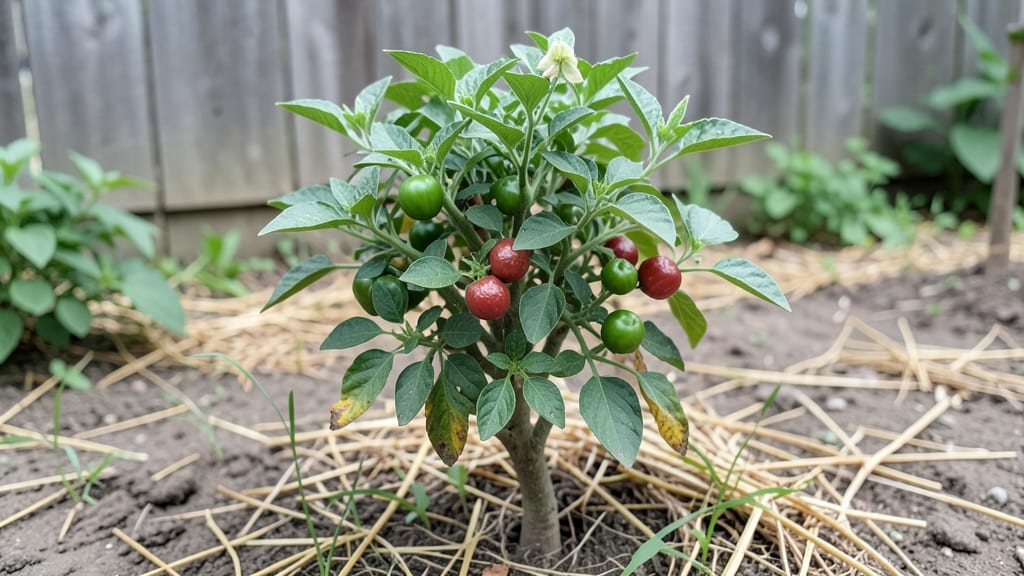
Growing chile pequin plants unlocks a tiny but mighty ally for your garden. ✨ These pint-sized peppers pack heat, deter pests, and attract pollinators—all while adding a fiery kick to your cooking.
I've learned that their secret lies in the right balance of sun, soil, and patience, not just heat tolerance.
Their needs are simple but specific: full sun, well-draining soil, and infrequent watering. Most gardeners overwater them, thinking they're delicate—nothing could be further from the truth. A single plant produces hundreds of peppers, and they thrive in containers or garden beds alike.
The key is mimicking their desert origins: dry soil between waterings and protection from heavy rains.
By midsummer, you'll see clusters of bright green peppers ripening to deep red. The flavor is complex—smoky, fruity, and undeniably spicy—with a heat level that makes jalapeños look tame.
These aren't just for salsas; they're the ultimate companion plant, keeping aphids and whiteflies at bay while drawing in bees and butterflies. The payoff is twofold: a productive harvest and a garden that hums with life.
Perfect for small spaces, windowsills, or as border plants. They're foolproof once you understand their rhythm—drought-tolerant but not drought-loving, heat-hardy but not shade-friendly. Let's get those peppers growing!
📚 In This Guide
- What you need
- Instructions
- Tips and common mistakes
- Wrapping up and next steps
What you need
- ● Chile pequin seeds – 5–10 seeds (or 1–2 seedlings if starting with transplants). Choose heirloom or organic seeds for best results.
- ● Well-draining potting mix – 1–2 gallons (for seedlings) or garden soil amended with compost (for direct planting). Aim for a mix with 50% organic matter.
- ● Containers or garden space – 5–6 inch pots (for seedlings) or a sunny garden bed with 6+ hours of sunlight daily.
- ● Watering can or hose with a gentle spray nozzle – Chile pequins hate soggy roots, so avoid overwatering.
- ● Gloves – Protect your hands from mild spiciness when handling plants.
- ● Fertilizer – Balanced organic fertilizer (e.g., 5-5-5) or compost tea for nutrient boosts.
- ○ Trellis or small stakes – Optional for bushier growth (pequins are compact but may need support).
- ● Row covers or netting – Helpful if pests like aphids are a concern in your area.
Step-by-step guide to cultivating thriving chile pequin plants
Here's how to grow these tiny but mighty peppers that pack a punch for pollinators and natural pest defense.
🌱 Step 1: Start Seeds Indoors for Maximum Germination Success
Chile pequin seeds germinate best at 75-85°F, so I use a seedling heat mat to create that ideal environment. Fill 2-3 inch deep biodegradable pots with the seed-starting mix—these peppers hate being disturbed, so individual cells prevent root tangling later. Moisten the mix until it's damp like a wrung-out sponge, then press it down lightly to remove air pockets.
Sow seeds ¼ inch deep—any deeper and they'll struggle to reach the surface. Cover the tray with a clear plastic dome or wrap plastic over it to trap humidity. Place the tray in a warm, dark spot (like a cabinet) for the first 7-10 days. You'll see tiny sprouts pushing through the soil when they're ready for light.
☀️ Step 2: Provide Bright Light and Prevent Leggy Growth
The moment those first true leaves appear (not the initial seed leaves), move the seedlings under grow lights or to a south-facing window. Chile pequin plants need 14+ hours of light daily to stay compact and strong. I position my LED grow lights 2-3 inches above the seedlings at first, then raise them as the plants grow to maintain that distance.
Watch for leggy growth—thin, stretched stems with leaves spaced far apart. This happens when light is too weak or distant. If you see this, move the lights closer immediately. Strong seedlings have thick stems and dark green leaves spaced closely together. Rotate the pots a quarter turn daily so they grow straight instead of leaning toward the light.
🪴 Step 3: Transplant to Larger Containers for Strong Root Development
When seedlings have 4-5 true leaves (about 6-8 weeks after sowing), transplant them into 5-inch pots filled with well-draining potting mix. Chile pequins thrive in containers because their small size prevents soil-borne diseases. Gently remove the seedlings from their starter pots, keeping the root ball intact—these peppers are sensitive to root disturbance.
Plant each seedling at the same depth it was growing before, then water thoroughly until water runs out the drainage holes. Place the pots in a location with full sun (6+ hours daily). If you're growing outdoors, wait until nighttime temperatures stay above 55°F—these peppers are frost-sensitive and won't survive cold snaps.
💧 Step 4: Maintain Consistent Moisture and Fertility
Water when the top inch of soil feels dry—chile pequins hate soggy roots but also can't tolerate drought stress. I use a moisture meter to check soil conditions, especially in hot weather when evaporation speeds up. Water at the base of the plant rather than overhead to prevent fungal diseases. These peppers are drought-tolerant once established, but consistent moisture produces better yields.
Feed with balanced liquid fertilizer (10-10-10) every 2-3 weeks during the growing season. You'll see new growth within a week of fertilizing—that's your signal the plants are thriving. Prune any yellow or diseased leaves immediately to keep the plant healthy. Chile pequins are prolific bloomers, so you'll see flowers appear 8-10 weeks after transplanting.
✂️ Step 5: Harvest and Encourage Continuous Production
Harvest pequins when they're 1-2 inches long for the best flavor and heat. Use sharp scissors to snip the peppers just above the fruit—this prevents damaging the plant. Regular harvesting encourages more blooms and fruit production. These peppers are self-pollinating, so you won't need to worry about hand-pollination unless you're growing in a greenhouse with no natural pollinators.
To extend the harvest season, bring pots indoors before the first frost. Chile pequins continue producing fruit in containers with adequate light. You'll get a second flush of peppers in late fall if you keep them in a sunny window or under grow lights. Store any excess peppers in the freezer for later use—they retain their heat and flavor beautifully when frozen.
Tips & tricks for perfect chile pequin cultivation
Growing chile pequin plants successfully requires attention to detail—these tiny powerhouses have specific needs that can make all the difference between thriving plants and struggling seedlings.
Temperature Precision: Maintaining that 75-85°F range during germination is non-negotiable. I've found that placing the seed tray on top of a refrigerator (not inside) creates a stable warm environment without overheating. For those with inconsistent home temperatures, consider a small, dedicated seedling heat mat—it's the difference between 80% germination rates and 20%. The moment you see those first sprouts, move them to a warmer spot if your home tends to run cool at night.
Light Strategy: The 14+ hours of light daily requirement is where many growers stumble. I've learned the hard way that standard household lighting won't cut it—these peppers need intense light to prevent leggy growth. If you're using LED grow lights, position them just 2-3 inches above the seedlings initially. As your plants grow, raise the lights incrementally to maintain this distance. Pro tip: Add a timer to your grow lights so you're not manually adjusting them every day—consistency is key for compact, strong plants.
Transplant Timing: Waiting until seedlings have 4-5 true leaves (about 6-8 weeks) ensures they're strong enough to handle the transplant shock. I always harden off my seedlings first by placing them outside in a sheltered spot for 2-3 hours daily during the week leading up to transplant. This gradual acclimation prevents transplant shock. When moving to 5-inch pots, use your finger to gently loosen the root ball before transferring—this encourages new root growth without damaging the delicate roots.
Frost Protection: Never underestimate these peppers' frost sensitivity. While they thrive in 55°F+ nighttime temperatures, even a light frost can devastate your plants. I've had success using frost blankets or moving pots to a protected location during cold snaps. For container growers, consider using self-watering pots with built-in heat mats during early spring or late fall—this dual protection gives you that extra margin of safety while maintaining consistent moisture levels.
Pro Tips for Chile Pequin Plants
- Growing chile pequin plants successfully requires attention to detail—these tiny powerhouses have specific needs that can make all the difference between thriving plants and struggling seedlings.
- Temperature Precision: Maintaining that 75-85°F range during germination is non-negotiable.
- Light Strategy: The 14+ hours of light daily requirement is where many growers stumble.
Frequently asked questions
Got questions about growing and using chile pequin plants? You’re not alone! Here are some of the most common queries—plus quick, actionable answers to help you thrive with these tiny but mighty peppers.
How long does it take for chile pequin plants to produce fruit?
Chile pequin plants typically start flowering 6–8 weeks after germination and produce fruit within 8–12 weeks in warm climates. In cooler regions, extend your growing season with containers or a greenhouse. Patience pays off—these peppers pack a punch!
Can chile pequin plants survive winter outdoors?
Nope! These tropical plants are annuals and die back in frost (below 32°F/0°C). Save seeds or replant yearly. For year-round harvests, grow them in containers and move indoors during winter. A sunny windowsill or grow light works wonders!
Do chile pequin plants attract pollinators like other peppers?
Their tiny, vibrant flowers are a magnet for bees and butterflies. To boost pollination, plant near other pollinator-friendly flowers (like marigolds or basil). Hand-pollinate in greenhouses by gently shaking plants or using a paintbrush. More pollinators = more peppers!
Why are my chile pequin plants dropping buds or flowers?
Bud drop usually means stress—common causes include:
- Temperature swings (keep them in 70–85°F/21–29°C).
- Overwatering (let soil dry slightly between waterings).
- Nutrient deficiencies (feed with a balanced fertilizer like 10-10-10).
- Lack of pollinators (hand-pollinate if indoors).
What are some easy alternatives if chile pequin plants are hard to find?
If chile pequin seeds are MIA, try these similar heat-loving peppers:
- Shishito peppers (mild, prolific, great for pollinators).
- Thai bird’s eye chilies (spicy, compact, and easy to grow).
- Poblano peppers (larger but still pollinator-friendly).
Wrapping up and next steps
Growing chile pequin plants is a game-changer for your garden—whether you’re boosting pollinator activity, warding off pests, or adding a zesty kick to your dishes! 🌱 These tiny powerhouses are low-maintenance, versatile, and packed with benefits. Now that you’re armed with the know-how, why not take the next step?
Start small: plant a few pequins in your garden or containers this season, and watch your ecosystem thrive. Share your successes (or quirky pepper stories!) with fellow gardeners—you’ll inspire others to try this pepper-powered approach. Happy planting! 🌿