
Plants
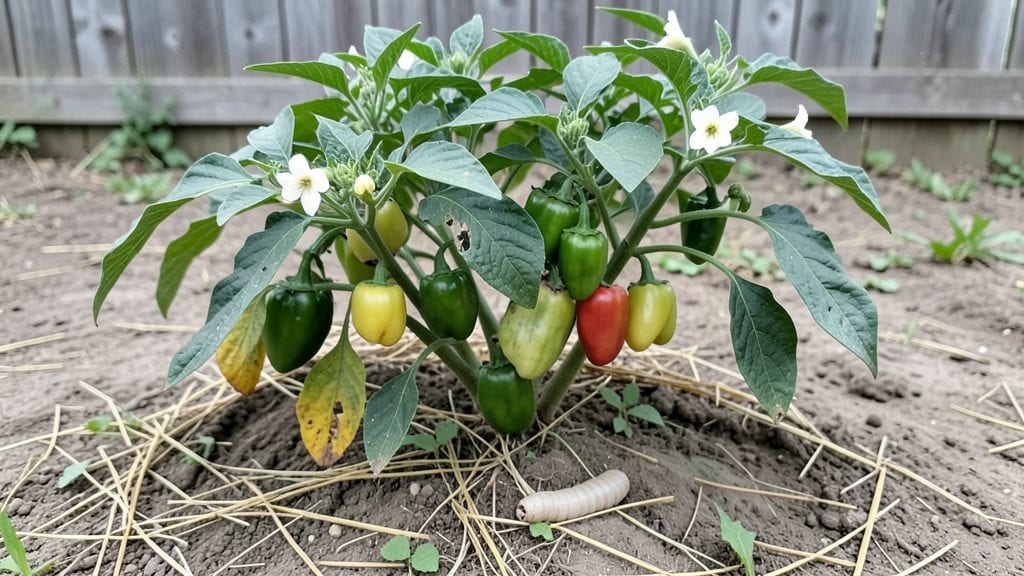
Cutworms on pepper plants can turn a thriving garden into a sad, chewed-up mess overnight—unless you act fast. 🌱 I’ve watched my own peppers go from lush and green to skeletonized stumps in a single night, and I’ll never forget the frustration.
The key is catching them early before they strip your plants bare.
These sneaky caterpillars hide under mulch or soil during the day, striking at night when you’re asleep. The damage looks like clean cuts at the base of stems, leaving plants to flop over like broken umbrellas.
But here’s the good news: organic fixes like diatomaceous earth, beer traps, or simple cardboard collars can stop them in their tracks—often within 24 hours.
You’ll reclaim your garden in no time with these quick, chemical-free tactics. No more waking up to find your peppers looking like they’ve been through a food processor. The secret is acting fast and staying vigilant—once you spot the first signs, you’ll be able to save your entire crop.
Works for tomatoes, eggplants, and other tender plants too. Here’s exactly how to outsmart these pests before they ruin your harvest.
The Hidden Culprits Behind Cutworm Attacks
Cutworms may seem like a sneaky menace, but their presence on pepper plants isn’t random—it’s the result of specific conditions and behaviors. Understanding why these caterpillars target your peppers is the first step to stopping them.
Below, we break down the science-backed reasons these pests strike, so you can outsmart them before they chew through your harvest.
Cutworms are nocturnal predators, meaning they’re most active after dark. Their name comes from their habit of "cutting" young plants at ground level—often just below the soil surface—while the garden is quiet. Here’s why this timing works in their favor:
- Cool, damp conditions: Nighttime humidity and temperatures (between 60–75°F) create the perfect environment for cutworms. They avoid daytime heat, which dries them out.
- Less competition: Fewer predators (like birds or spiders) are active after dark, giving cutworms free rein to feed.
- Plant vulnerability: Pepper seedlings and young plants have tender stems, making them easy targets when the soil is soft from evening moisture.
Pro Tip: 💡 If you spot chewed stems in the morning but no visible pests, check the soil at dusk with a flashlight—cutworms will likely be lurking nearby!
Cutworms don’t just attack randomly—they’re drawn to plants that are either too lush or under stress. Here’s how your peppers might be sending out a "help, I’m vulnerable" signal:
| Lush Conditions (Too Much Food) | Stress Factors (Weak Defense) |
|---|---|
|
|
Key Insight: Cutworms often target recently planted seedlings because they’re still establishing roots and have tender stems. If you’ve noticed attacks after transplanting, this is likely the reason.
Cutworms don’t just appear overnight—their life cycle starts with eggs laid by moths in specific spots. Understanding where these eggs are deposited helps you intercept them early:
- Base of pepper plants: Moths (like the variegated cutworm or black cutworm) lay eggs in clusters near the soil, often on the underside of leaves or directly on stems.
- Moist, shaded soil: Eggs thrive in damp, organic-rich soil (like compost piles or mulched beds). They hatch in 7–14 days, releasing caterpillars ready to feed.
- Weedy or overgrown areas: Moths prefer to lay eggs near host plants or weeds, which provide early food sources for the larvae.
Warning Sign: 🚨 If you see small, silver-gray eggs (about the size of a pinhead) in clusters near your peppers, act fast—hatching can happen overnight!
Cutworms follow a seasonal pattern, with outbreaks tied to weather and pepper growth stages:
- Early spring (April–May): Moths emerge as temperatures rise, laying eggs on newly planted seedlings.
- Late summer (August–September): A second generation of cutworms appears, targeting mature but still-tender pepper plants.
- After rain or irrigation: Moisture triggers egg hatching and attracts moths for egg-laying.
Garden Hack: ✨ Plant peppers in late spring (after the first cutworm wave) to avoid the worst infestations. Alternatively, use row covers during high-risk months.
Quick Fixes for Cutworms on Peppers
If cutworms have already taken hold in your pepper garden, don’t panic—there are fast, organic ways to reclaim your plants in 24 hours or less. The key is acting swiftly with targeted solutions tailored to the type of damage you’re seeing.
Below, we break down cause-specific fixes, from immediate rescue tactics to long-term prevention.
If you’ve noticed chewed stems, missing leaves, or wilting plants at ground level, cutworms are likely the culprit. Here’s how to stop the attack in its tracks:
🍳 Hand-Picking & Physical Barriers (Best for Small Gardens)
- 👨🍳 Early Morning Rescue: Cutworms are sluggish in the cool hours. Gently roll up damp newspaper or cardboard around the base of your pepper plants to expose hiding pests.
Toss them into soapy water (1 tbsp dish soap per gallon) to kill them instantly. - 🥘 Collar Up!: Wrap the base of each plant with a toilet paper tube, cardboard collar, or aluminum foil (cut to 2–3 inches tall).
Bury the bottom 1 inch underground to block cutworms from climbing. Replace every 3–5 days or when soggy. - 🔪 Nighttime Patrol: Use a flashlight after dark to spot cutworms feeding. Drop them into a bucket of soapy water or crush them (wear gloves if squeamish!).
🌡️ Organic Sprays & Traps (For Larger Infestations)
- 💡 Diatomaceous Earth (DE) Dust: Sprinkle food-grade DE around the base of plants (avoid touching leaves—it’s harmless but can dry them out).
Reapply after rain. How it works: DE’s microscopic particles dehydrate cutworms in 24–48 hours. - 🎯 Beer Traps: Bury a small container (like a yogurt cup) filled with beer near your peppers. Cutworms are attracted to the yeast and drown overnight.
Replace every 2–3 days. - ✨ Neem Oil Spray: Mix 1 tbsp neem oil + 1 tsp mild soap per quart of water. Spray lightly around the soil base (not leaves) in the evening to deter feeding. Repeat every 3–4 days until pests retreat.
Once you’ve rescued your peppers, break the cutworm cycle with these proactive strategies:
💡 Garden Design Hacks
- 🌿 Interplant with Repellent Crops: Grow basil, marigolds, or onions near peppers—their strong scents confuse cutworm navigation.
- 🌡️ Mulch Smartly: Use straw or grass clippings (not wood chips) as mulch.
Cutworms avoid rough textures and are less likely to hide underneath. - 🎯 Rotate Plant Locations: Cutworms overwinter in soil, so move pepper plants to a new spot next season to starve out larvae.
🔥 Biological Controls (Nature’s Pest Patrol)
- 🐛 Encourage Beneficial Insects: Ladybugs, ground beetles, and parasitic wasps eat cutworm eggs and larvae.
Plant dill, fennel, or alyssum to attract them. - 🥘 Ducks or Chickens: If you have poultry, let them graze in the garden at dusk—they’ll devour cutworms before they cause damage. - 💡 Nematodes (For Soil Health): Apply beneficial nematodes (Heterorhabditis bacteriophora) to the soil.
These microscopic worms infect and kill cutworm larvae within 48 hours. Best used early in the season or after hand-picking.
⏰ Timing Is Everything: Prevent Egg Laying
- 🌙 Cover Young Plants: Use floating row covers (lightweight fabric) over seedlings until they’re 4–6 inches tall.
Cutworms can’t chew through and will move on. - 🔪 Remove Debris: Cutworms lay eggs in garden trash, weeds, and old plant matter. Clean up thoroughly in fall and spring to eliminate hiding spots.
Need a fast cheat sheet? Here’s how to match symptoms to solutions:
| Symptom | Likely Cause | Fast Fix | Prevention Step |
|---|---|---|---|
| Stems cut at soil line | Cutworm feeding | Hand-pick + collars | Diatomaceous earth + mulch |
| Holes in leaves | Young larvae chewing | Neem oil spray | Interplant with marigolds |
| Wilting seedlings | Eggs hatching overnight | Beer traps + row covers | Rotate plant locations |
| Missing plants | Heavy infestation | Duck/chicken patrol + nematodes | Encourage ladybugs |
Pro Tip: 💡 Check your soil—cutworms thrive in moist, compacted dirt. Aerate and improve drainage to make your garden less inviting. A healthy plant is a tougher target!
By combining immediate action with smart prevention, you’ll save your pepper plants and keep cutworms out for good. Now go rescue that garden—your future salsa (or hot sauce) depends on it! 🌶️🔥
Frequently asked questions
How do I know if cutworms are attacking my pepper plants?
Look for clean, jagged cuts at the base of stems—like someone snipped them with scissors. You might also spot small holes in leaves or find dark, inch-long caterpillars hiding under mulch or soil during the day. Check at dusk with a flashlight for active feeders.
What’s the fastest way to stop cutworms from destroying my peppers?
Wrap stems with cardboard collars (bury 1 inch underground) to block cutworms from climbing. For immediate results, sprinkle diatomaceous earth around the base—it dehydrates them within 24 hours. Combine with beer traps (bury a cup of beer near plants) for extra protection.
Can I use chemical pesticides to kill cutworms?
While chemical pesticides like carbaryl work quickly, they’re not recommended for organic gardens or near edible plants. Opt for safer organic alternatives like neem oil, soapy water, or beneficial nematodes instead. These target cutworms without harming your peppers or beneficial insects.
Why do cutworms always return even after I treat them?
Cutworms thrive in moist, shaded soil and lay eggs in garden debris. To break the cycle, remove all plant waste, improve drainage, and rotate crops next season. Use row covers for young plants and interplant with marigolds or basil to repel moths from laying new eggs.
Will cutworms harm mature pepper plants, or just seedlings?
While seedlings are their favorite target, mature peppers aren’t safe—cutworms can still chew stems and leaves. The key difference is that established plants recover better. Monitor soil around mature plants at dusk and use collars or nematodes if you spot activity.