
Companion Plants
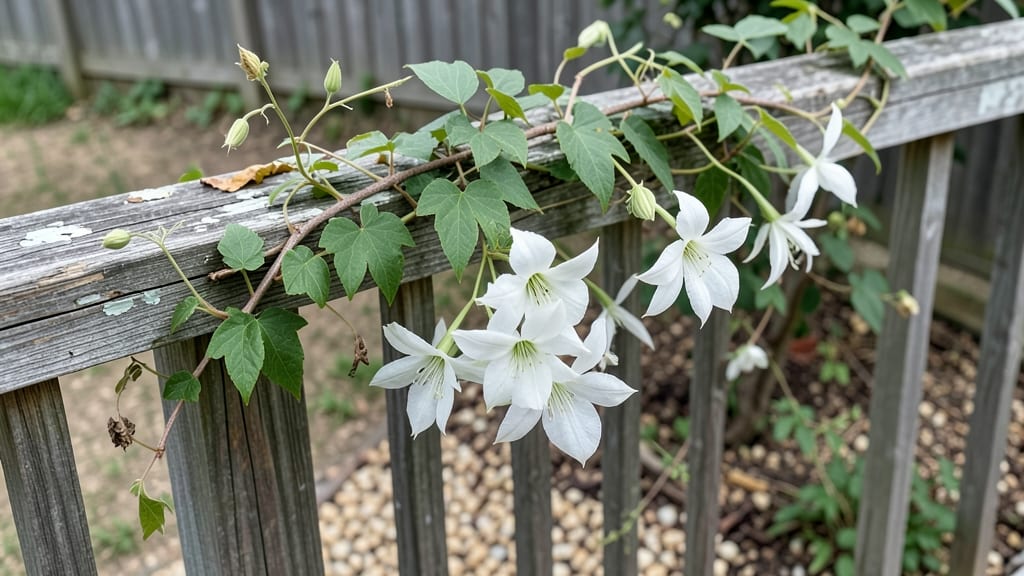
Deck rail plants transform an open deck into a cozy retreat without sacrificing style. 🌿 I learned this the hard way after my first summer of wind-whipped drinks and nosy neighbors—until I strung trailing vines and compact shrubs along the railing.
The right plants create a soft, living screen that moves with the breeze while adding fragrance and color.
You’ll need plants that thrive in small pots (5–10 gallons), handle partial sun, and won’t outgrow their space in a season. Climbing roses, sweet alyssum, and creeping jenny are my top picks—they’re pet-friendly, drought-tolerant once established, and bloom from spring to frost.
For warmer climates, consider dwarf gardenias or abelia for year-round greenery.
The payoff is immediate: no more drafts, a private outdoor space, and a garden that smells like summer even in winter. Your deck becomes a fragrant escape where you can relax without sacrificing airflow or sunlight. Plus, the plants attract butterflies and hummingbirds, turning your railing into a mini ecosystem.
Works for any deck size, from tiny balconies to sprawling backyards. Start with just two pots—one fragrant and one trailing—and expand as you see what thrives in your space. Here’s how to choose the perfect mix for your climate and style.
📚 In This Guide
- What you need
- Instructions
- Tips and common mistakes
- Wrapping up and next steps
What you need
- ● Deck rail plants (3–5 per linear foot): Clematis (vining, 6–10 ft tall, fragrant blooms) – 2–3 plants
- ● Jasmine (fast-growing, sweet-scented, 8–12 ft) – 2–3 plants
- ● Climbing roses (thornless varieties like ‘New Dawn’) – 1–2 plants
- ● Honeysuckle (hardy, hummingbird-friendly, 6–10 ft) – 1–2 plants
- ○ Ivy (English or Boston) (evergreen, 10–20 ft) – 1–2 plants (optional for year-round coverage)
- ● Support system: Trellis or lattice panels (6–8 ft tall, pre-attached to rails or freestanding)
- ● Soft ties or plant clips (10–15, non-plastic for durability)
- ● Soil & amendments: High-quality potting mix (5–10 bags, well-draining)
- ● Compost or organic fertilizer (1–2 bags, slow-release)
- ● Mulch (2–3 bags, shredded bark or pine straw)
- ● Essential tools: Garden trowel or spade
- ● Pruners (bypass for clean cuts)
- ● Measuring tape
- ● Gloves (heavy-duty for thorny plants)
- ○ Optional (but helpful): Hose with spray nozzle (for watering)
- ● Stakes or cages (for initial support)
- ● String lights or solar-powered clips (for ambiance!)
- ● Prerequisites: Sunlight assessment: 6+ hours/day for most climbers (check plant tags!)
- ● Drainage check: Ensure deck rails aren’t waterlogged (add gravel if needed).
- ● Local frost dates: Plant after last frost (or use containers for flexibility).
How to create a stunning deck rail plant display
Transform your deck into a fragrant, private retreat with this easy, layered approach.
🌱 Step 1: Select Complementary Plant Varieties
Choose plants that thrive in containers and cascade beautifully over railings. For year-round interest, I pair evergreen shrubs like Dwarf Boxwood or Creeping Juniper with seasonal bloomers such as Petunia or Lantana. The key is selecting plants with different heights and textures—tall back, medium middle, and trailing front.
For fragrant blooms, add Sweet Alyssum or Lavender to the mix. These will spill over the edges while keeping pests away. I always check each plant's mature size to ensure it won't outgrow the space within a season.
🪴 Step 2: Prepare Containers and Planting Mix
Use 14-inch diameter planters for each deck rail section, spaced about 2 feet apart. Line the bottom with 1 inch of drainage material like pebbles or broken pottery to prevent waterlogging. Fill the rest with a lightweight potting mix blended with perlite—this ensures roots get both moisture and air.
Don't use garden soil; it compacts in containers and suffocates roots. I like to pre-moisten the mix before planting so the roots settle in without shock. For each planter, add a slow-release fertilizer pellet to feed the plants for the first few months.
✂️ Step 3: Plant in Layers for Depth and Privacy
Start with the tallest plant in the center-back of the container. For a 2-foot-tall privacy screen, I use Dwarf Boxwood or Creeping Juniper as the anchor. Next, add medium-height plants like Petunia or Lantana around the edges, letting their vines trail over the rail.
Fill the front with Sweet Alyssum or Lobelia to create a soft, fragrant cascade. Press the soil gently around each plant to remove air pockets. Water thoroughly after planting to help the roots establish contact with the soil.
💧 Step 4: Water and Maintain for Continuous Bloom
Water deeply every 2-3 days until the top inch of soil feels dry. In hotter months, you may need to water daily, especially if the plants are in full sun. I always water in the morning so the foliage dries quickly, reducing the risk of fungal diseases.
Feed plants with a balanced liquid fertilizer every 4-6 weeks during the growing season. Deadhead spent blooms regularly to encourage more flowers. For winter care, reduce watering and add a light mulch layer to protect roots from freezing temperatures.
☀️ Step 5: Position for Sunlight and Wind Protection
Place your deck rail planters in a location that gets at least 6 hours of sunlight daily. Most flowering plants thrive in full sun to partial shade, but evergreens like Creeping Juniper tolerate more shade. If your deck faces north, opt for shade-tolerant varieties like Impatiens or Fuchsia.
Position planters where they won't be exposed to strong, drying winds. A slight breeze helps pollination, but constant wind stress can dry out plants quickly. If needed, place a temporary windbreak like a lattice screen behind the planters for the first few weeks after planting.
Tips & tricks for perfect deck rail plant displays
These simple tricks will help you create a lush, fragrant privacy screen that thrives all year long.
Plant Selection Strategy: Pay attention to mature plant sizes when shopping—what looks small in the nursery can grow 3-4 times larger! For example, a 6-inch Dwarf Boxwood will reach 2 feet tall, so choose accordingly. I always buy one size up from what I need to ensure they fill the space within a season.
Drainage is Non-Negotiable: That 1-inch layer of drainage material in Step 2 isn't optional—it's what prevents your plants from drowning. I've seen too many beautiful displays ruined by waterlogged roots. If you don't have pebbles, use broken terracotta pots or even plastic bottle chunks. The goal is to create air pockets so water drains freely.
Layering Technique: When planting in Step 3, think of your container as a three-tiered cake. The tallest plants (like Creeping Juniper) go in the center, medium-height plants (like Petunia) around the middle, and trailing plants (like Sweet Alyssum) in the front. This creates that stunning waterfall effect that makes your display pop from any angle.
Watering Wisdom: The "top inch dry" rule in Step 4 is perfect, but here's the thing: stick your finger in the soil to check—don't rely on a schedule. Morning watering is key because it gives foliage time to dry before evening, which prevents fungal diseases like powdery mildew. In extreme heat, I actually water twice a day—once in the morning and once in the late afternoon.
Pro Tips for Deck Rail Plants
- These simple tricks will help you create a lush, fragrant privacy screen that thrives all year long.
- Plant Selection Strategy: Pay attention to mature plant sizes when shopping—what looks small in the nursery can grow 3-4 times larger!
- Drainage is Non-Negotiable: That 1-inch layer of drainage material in Step 2 isn't optional—it's what prevents your plants from drowning.
Frequently asked questions
What are the best deck rail plants for fast privacy?
For quick privacy, opt for Bamboo (Fargesia or Phyllostachys)—it grows 2–3 feet per year! Other speedy options include Arborvitae (Thuja) or Russian Olive (Elaeagnus angustifolia), which thrive in narrow spaces. If you prefer flowering plants, Clematis or Wisteria climb trellises fast but need support.
How soon will my deck rail plants provide full coverage?
Most deck rail plants take 1–3 years to fill in completely, depending on the species. Bamboo and Privet (Ligustrum) are the fastest, while slower growers like Boxwood (Buxus) may need 3–5 years. Pro tip: Start with 2–3 plants per linear foot for denser growth sooner!
Can I plant deck rail plants in containers instead of the ground?
Many deck rail plants—like Dwarf Fountain Grass (Pennisetum) or Dwarf Lilac (Syringa meyeri)—thrive in large containers (10+ gallons). Just ensure they get adequate drainage and regular watering. For climbing plants, use self-watering planters or trellises to save space.
What pests should I watch for in deck rail plants?
Common pests include aphids, spider mites, and scale insects, especially on Arborvitae or Privet. Solution: Spray with neem oil or introduce ladybugs for natural control. Japanese beetles love roses and wisteria—handpick them early! Regularly inspect leaves for early signs of infestation.
Do deck rail plants need winter care?
Most deck rail plants are hardy, but tender varieties (like Bougainvillea) need winter protection. Wrap young plants in burlap or use mulch to insulate roots. Evergreens (e.g., Holly) may need light watering in dry winters. Pro tip: Avoid heavy snow buildup—gently brush it off to prevent branch breakage!
What’s a good alternative if I don’t want permanent plants?
Try seasonal or removable screens! Fast-growing annuals like Sunflower (Helianthus) or Morning Glory (Ipomoea) climb trellises in summer. For year-round options, artificial lattice panels or retractable screens offer flexibility. Bonus: Swap out plants annually for variety!
Wrapping up and next steps
Deck rail plants are a game-changer for adding beauty, privacy, and fragrance to your outdoor space—all while requiring minimal effort! 🌿 From Lantana to Sweet Pea, these versatile plants thrive year-round, offering both practicality and charm.
Whether you're a seasoned gardener or just starting out, they’re the perfect way to elevate your deck effortlessly.
Ready to transform your space? Start small—pick one or two plants to test what works best for your climate and style. Then, watch your deck become a lush, inviting retreat! 🌸